

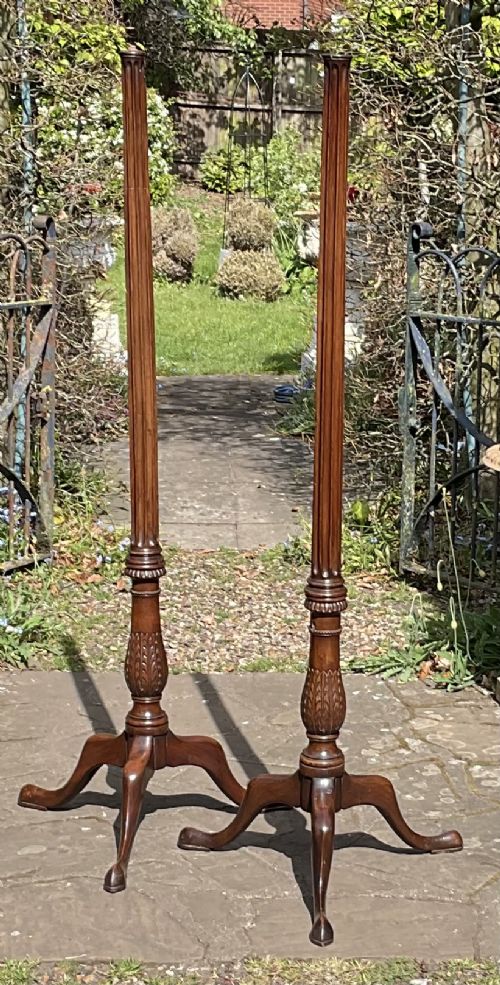


Mahogany Column Lamp
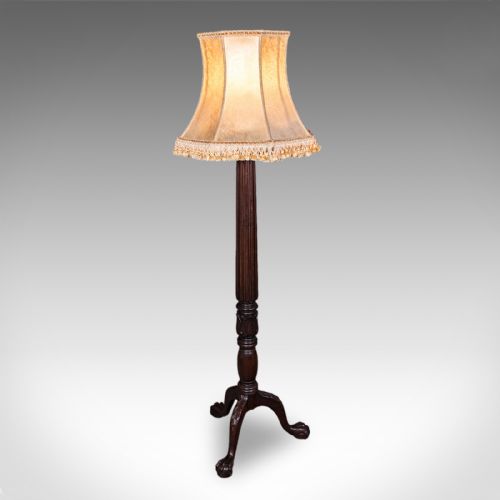
A mahogany column lamp brings architectural dignity and rich timber grain to an interior, operating as both a sturdy lighting support and a piece of period furniture.
Mahogany Column Lamp
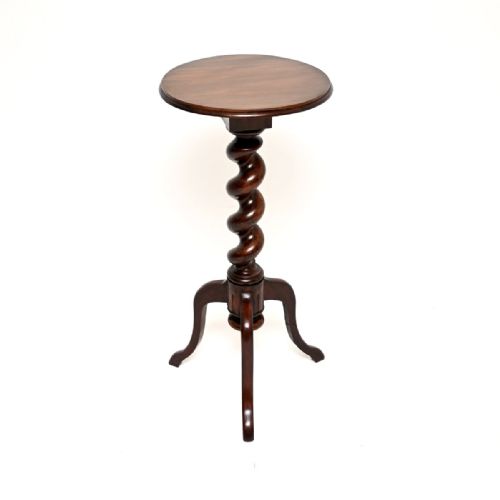
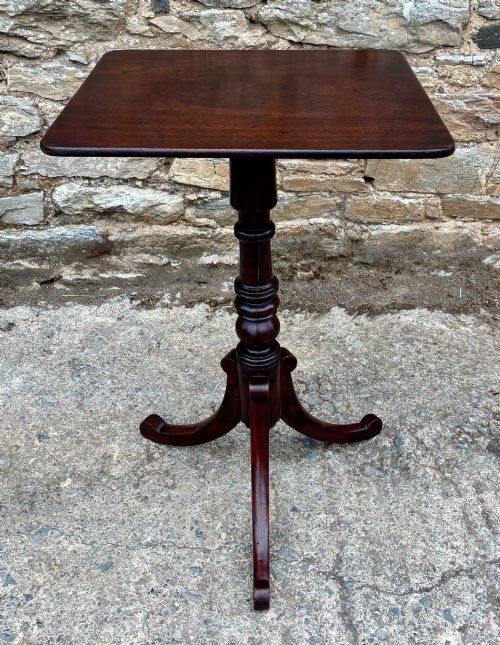
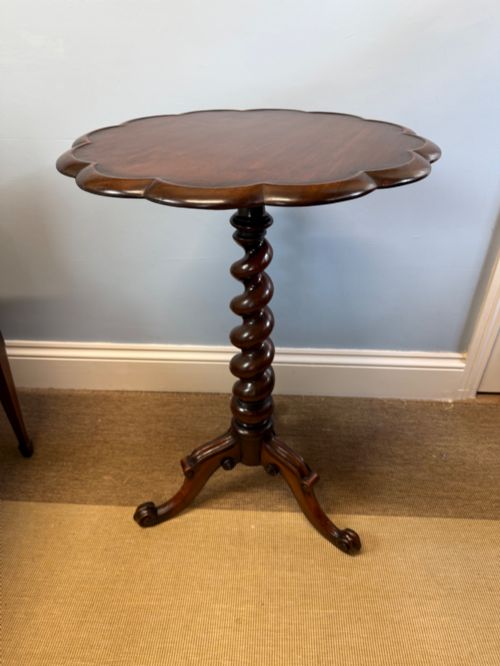
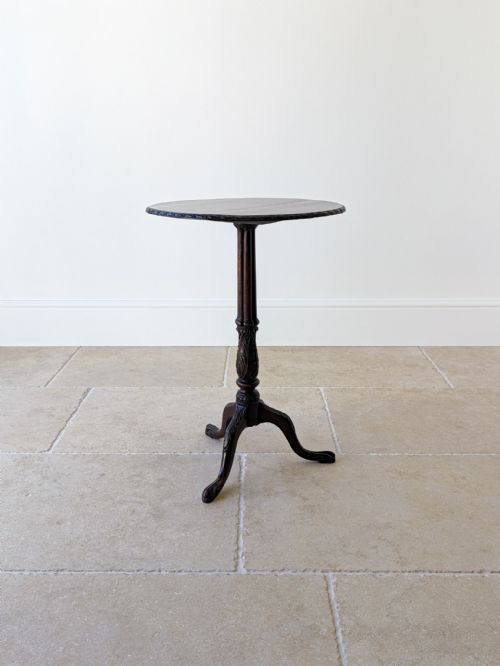
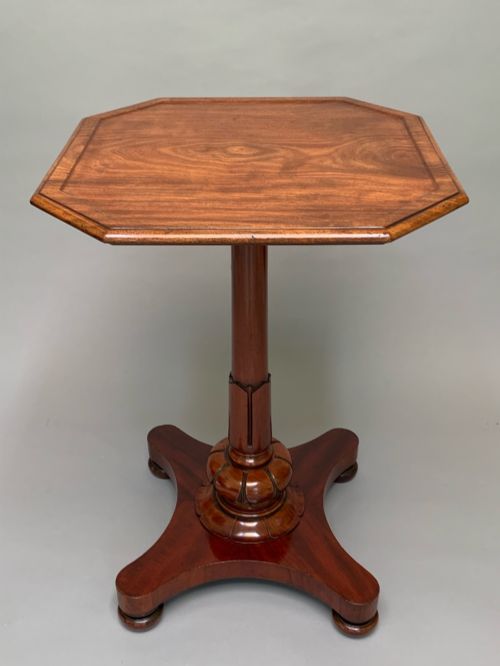
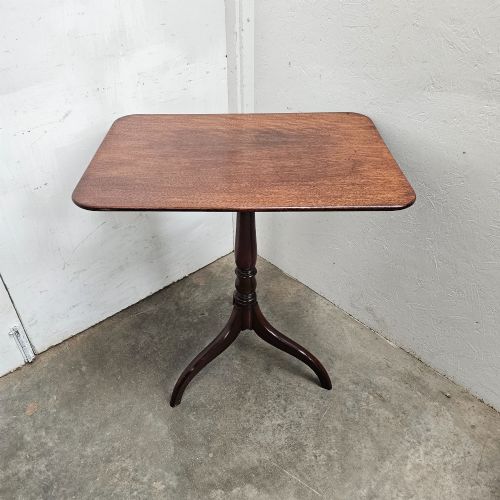
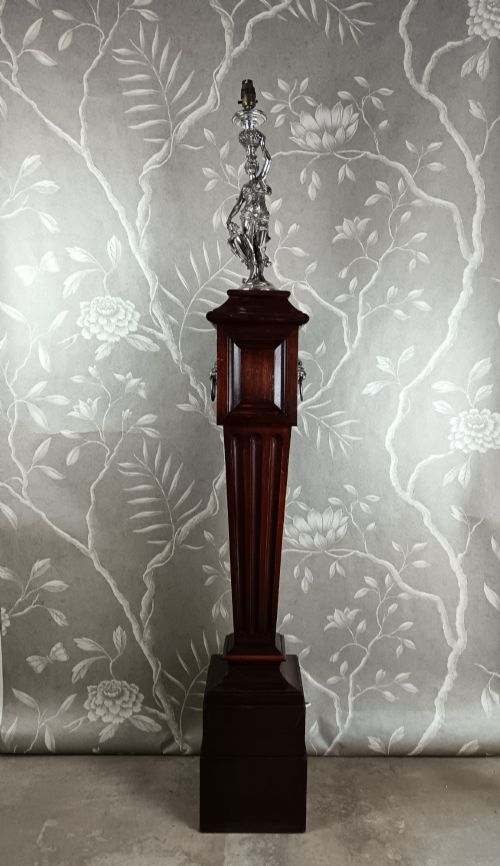
A mahogany column lamp bridges the gap between functional electrical lighting and traditional cabinet making, appearing in vertical floor-standing formats and compact columnar forms adapted from earlier stands. When you search for a mahogany column lamp, you encounter tall standard lamps alongside shorter pedestals, torcheres and table-top variants that originally served other domestic functions before conversion.
The evidence spans the Georgian, Regency and Victorian eras, alongside later revivals stretching into the early twentieth century. Pieces from the eighteenth and early nineteenth centuries often originate as wine tables, kettle stands or torchere pedestals subsequently adapted for lighting, while later Victorian and Edwardian examples frequently arrive designed specifically as standard lamps and reading lights.
Regional British craftsmanship dominates the offerings, supplemented by revival pieces that echo Chippendale, French Empire and William IV styles. Alongside standard timber stems, the listings show examples incorporating turned columns paired with brass Corinthian capitals, ormolu mounts and silver-plated figural elements.
Materials and Construction
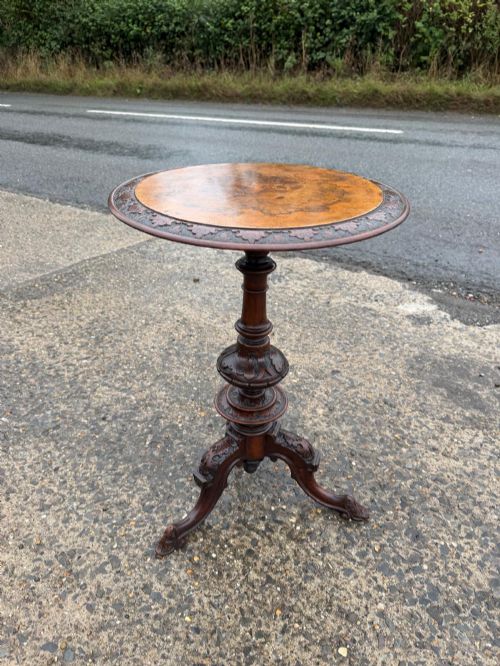
Makers utilised solid mahogany and applied veneers, frequently selecting timber with deep reddish-brown tones, fiddleback figuring or contrasting burr wood tops. Structural components relied on turned wooden columns supported by tripartite tripod legs, heavy stepped bases or weighted metal foots to ensure stability for tall upright shafts.
Secondary materials played a crucial structural and decorative role, with brass, ormolu and boxwood stringing providing sharp contrast to the dark wood. Joinery techniques included pegged tenons, turned central pillars and articulated metal joints on adjustable reading lamps intended for functional domestic use.
Some column lamps double as silent witnesses to history by concealing nineteenth-century reading specs left forgotten inside tilt-top mechanisms.
Distinctions in Quality and Make
The distinction between standard examples and the finest pieces rests on the choice of timber and the precision of the turning. Superior items display highly figured mahogany, intricate boxwood stringing and well-proportioned Corinthian capitals in brass or bronze rather than simpler turned wood.
Originality of form also dictates standing, as period tables adapted for lighting during later centuries differ fundamentally from pieces constructed from the outset as floor lamps. Retaining original surfaces, integrated weighted bases and authentic mounts separates standard utility items from pieces of higher decorative ambition.
WMF
The Mahogany Column Lamp Glossary
- Torchere
- A tall decorative stand or pedestal designed to hold a light source, candle or figure. These forms frequently provide the structural basis for tall columnar lamps.
- Tripod Table
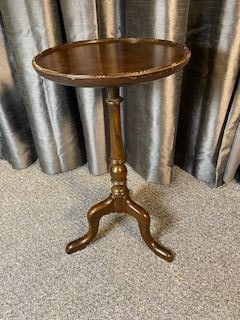
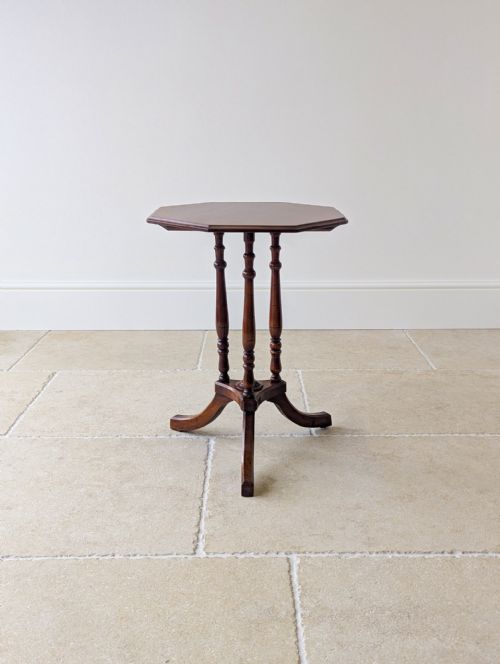
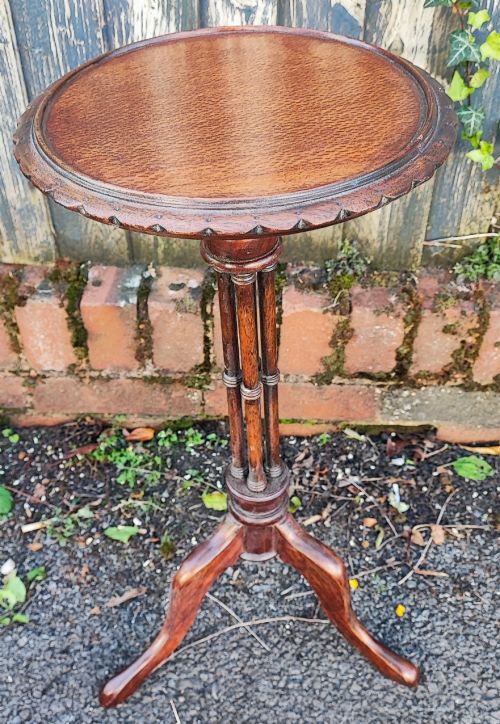
- A small occasional table supported by a central turned pillar resting on three spreading legs. Many examples feature tilt mechanisms and circular tops.
- Corinthian Capital
- The ornate, bell-shaped top of a column decorated with acanthus leaves. This classical architectural motif often appears in cast brass on the upper section of column lamps.
- Fiddleback
- A type of figured mahogany grain displaying undulating ripples that resemble the back of a violin. It is prized for its reflective qualities under light.
- Boxwood Stringing
- Inlay work consisting of narrow lines of pale boxwood set flush into darker mahogany surfaces. It creates geometric borders on tabletops and shafts.
Mahogany Column Lamp: Frequently Asked Questions
Are these lamps originally wired for electricity?
Most antique column lamps began life as tables, torcheres or non-electrical stands before receiving modern wiring during the twentieth century. Older floor-standing and table versions were adapted to hold electrical fittings while retaining their original timber structures.
Buyers often find examples that combine period mahogany turnings with modern cord flexes and lamp holders. This adaptation allows historic furniture forms to function as contemporary reading and ambient light sources.
How do I distinguish a Georgian column from a Victorian one?
Georgian and Regency columns generally exhibit crisper hand-turning, simpler classical proportions and rich, untreated timber surfaces. Eighteenth-century and early nineteenth-century pieces often start as wine tables or candlestands rather than dedicated floor lamps.
Victorian and Edwardian versions tend to be taller, occasionally incorporating heavier weighted bases, brass cluster columns or mechanical height adjustments. Revival pieces from the late nineteenth century frequently copy earlier Chippendale or William IV motifs with heavier mouldings.
Can I adjust the height of these floor lamps?
Certain floor-standing and reading lamp models include mechanical joints and sliding brass columns designed for height adjustment. These articulated variants were originally manufactured for reading and close work in studies and libraries.
Fixed-column pedestals and standard lamps maintain a static height determined by their original timber turning. Buyers should examine the column construction to determine whether the vertical shaft is rigid or articulated.