


Neoclassical Column Lamp Base
A neoclassical column lamp base brings architectural dignity to a room, drawing on ancient Greek and Roman forms adapted for lighting.
Neoclassical Column Lamp Base
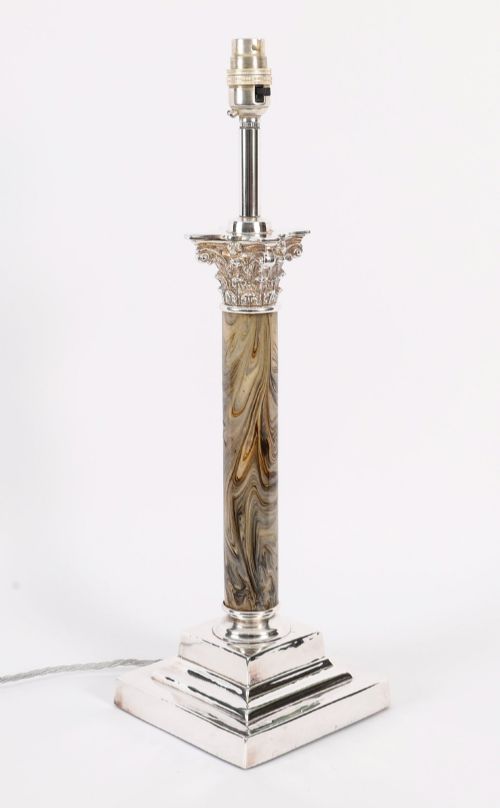
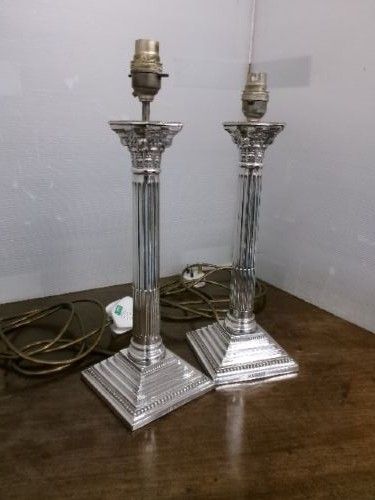
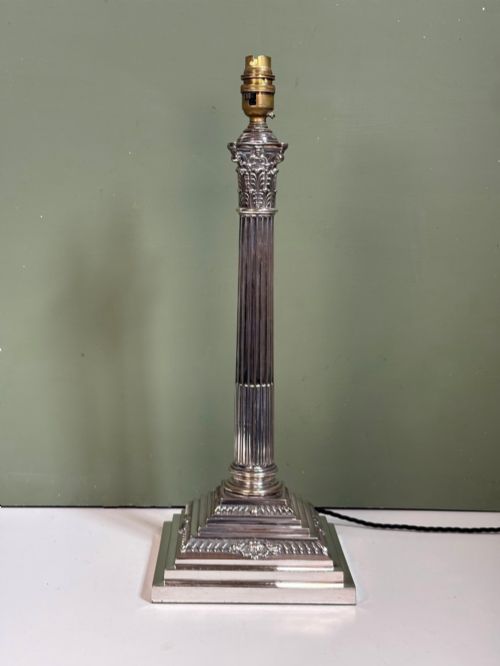
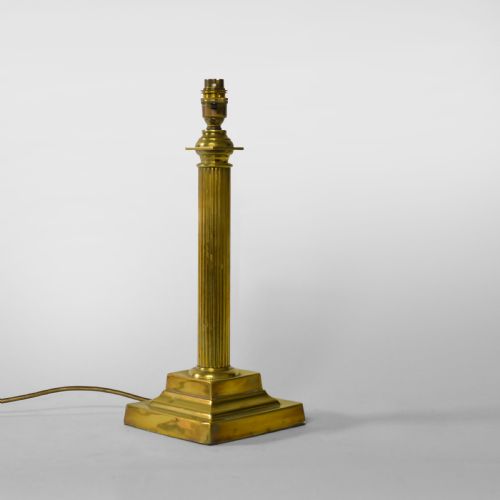
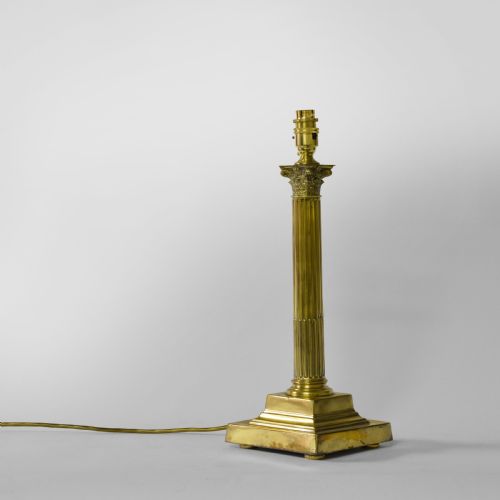
A neoclassical column lamp base draws directly on classical architecture, translating stone orders into domestic lighting from the Victorian era through the early twentieth century. These pieces take the form of table lamps and floor standards shaped as fluted or plain columns with distinct capitals.
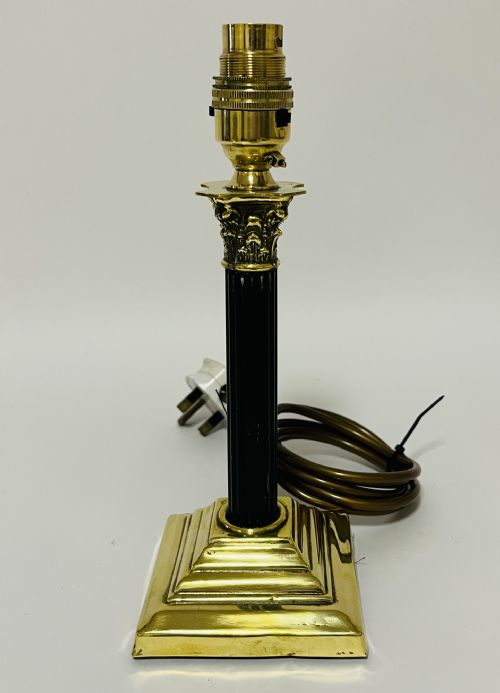
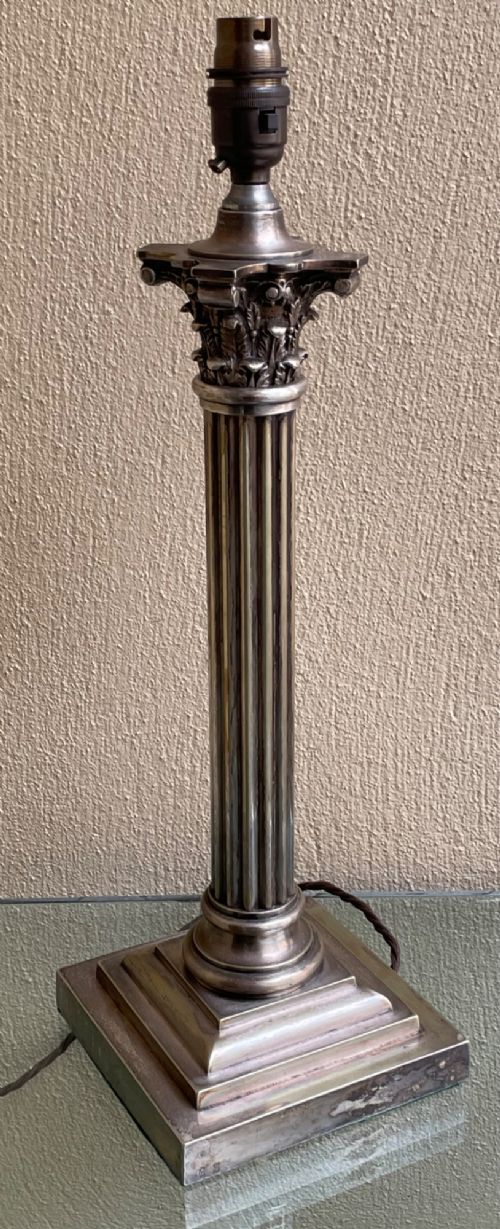
The Corinthian order appears most frequently on this page, recognisable by its ornate acanthus leaf capital and slender proportions. Buyers also encounter ionic and general classical columns fashioned from heavy metals and polished stones.
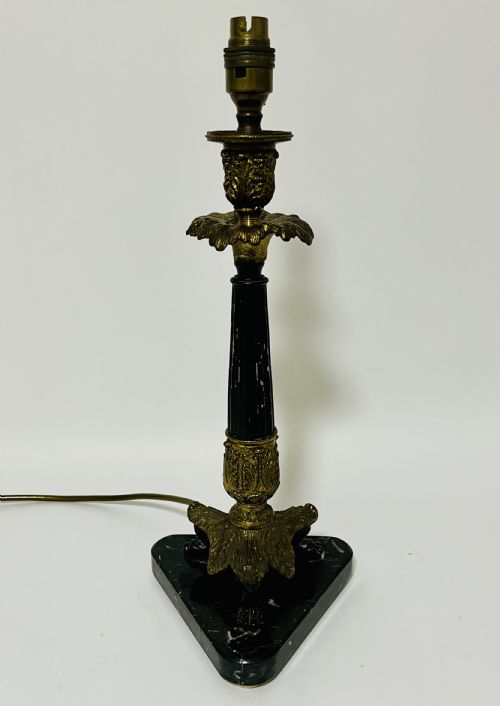
Originating largely from British and French workshops, these lamps span the nineteenth century and the Edwardian period, often reflecting revivalist movements such as French Empire and Victorian classical styles.
Materials and construction methods
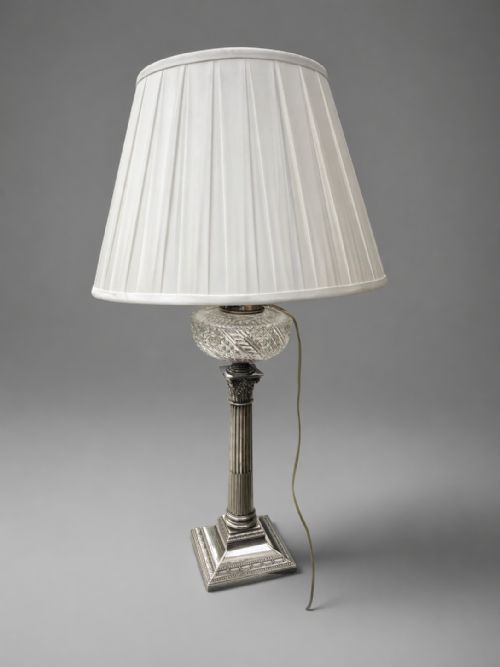
Metals form the structural core of these lamps, utilising cast brass, silver plate, ormolu, and gilt bronze to build substantial weights that support tall shades securely. Silver plating and electroplating techniques applied over base metals provide a bright finish that imitates solid silver.
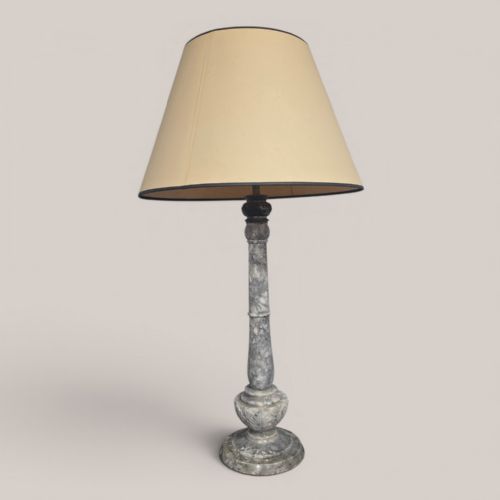
Natural stones such as marble and onyx add contrasting colour and heft to the shafts and stepped plinths, sometimes paired with lion's paw feet or cut glass reservoirs. Joinery relies on threaded internal rods and heavy metal bases to hold the stone and metal components firmly together.
Some Victorian columns incorporate hidden cut glass reservoirs that recall the days when oil burned beneath the shade before electricity took over.
Judging the quality of column lamps
Quality rests in the crispness of the casting, particularly within the intricate acanthus leaves of a Corinthian capital or the relief work of a bronze base. Superior pieces maintain sharp architectural details rather than soft, worn edges resulting from secondary casting processes.
The choice of materials and overall scale dictate the presence of the piece, with heavier gauge brass, genuine marble, and substantial silver plate creating a better balance and proportion. Maker stamps and hallmarks further separate standard commercial production from finer workshop output.
Harrison Brothers & Howson·Walter Latham & Son
The Neoclassical Column Lamp Base Glossary
- Corinthian
- The most ornate of the classical orders, featuring a capital decorated with carved acanthus leaves and scrolls. This design dominates the lamp bases seen across this selection.
- Ormolu
- Finely ground high-carat gold-mercury amalgam applied to a bronze base, creating a rich golden surface. It appears on French neoclassical and Empire pieces.
- Capital
- The uppermost member of a column that serves as a transition between the shaft and the load above. On these lamps, it forms the decorative shoulder beneath the bulb fitting.
- Plinth
- The heavy square or stepped base block that grounds the column and gives the lamp stability on a table or floor. It is frequently cast in brass or carved from marble.
- Standard
- A tall floor lamp designed to stand directly on the floor rather than on a piece of furniture. These taller columns provide ambient room lighting.
Neoclassical Column Lamp Base: Frequently Asked Questions
How do I wire an antique column lamp?
Rewiring requires running modern flex through the central channel of the column, which usually holds a threaded steel rod. A qualified electrician should handle the internal rewiring to ensure safety and compliance with current standards.
Most existing brass and silver plated columns accommodate modern lamp holders without altering the historic metalwork. Felt pads on the stepped plinth protect furniture surfaces from the heavy metal or marble bases.
What shade suits a column lamp?
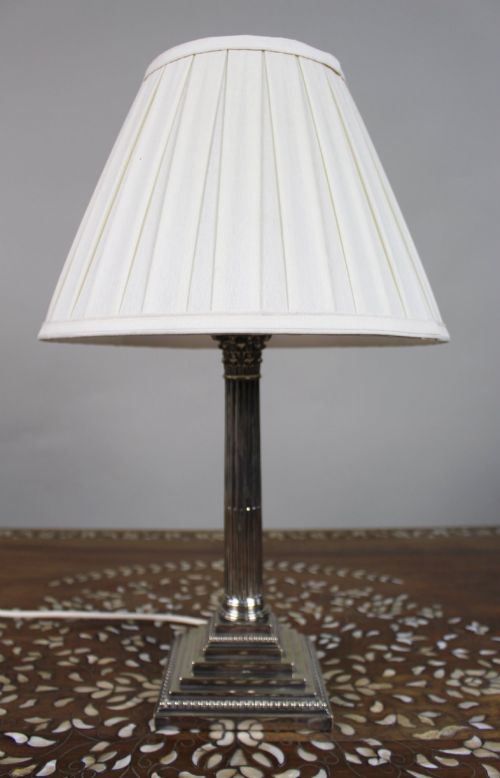
Traditional fabric shades with neutral silk or pleated designs complement the formal geometry of classical columns. The scale of the shade needs to match the height and width of the column shaft to maintain visual balance.
Heavier marble and gilt bronze lamps require sturdier frames and heavier fabric linings to hold their proportion. Plain brass or silver plated columns accept a wide variety of drum and empire shaped shades.
How do I clean silver plated lamp bases?
Silver plated columns benefit from gentle dusting with a soft microfibre cloth to prevent the buildup of grime in the flutes and acanthus leaves. Silver dips should be avoided on plated items to prevent wearing through the thin metal layer.
Lacquered brass surfaces require only a dry wipe, while unlacquered brass develops a natural oxidation over time. Preserving the patina maintains the historical character of Victorian and Edwardian pieces.
Are these lamps stable on tables?
The heavy brass, bronze, and marble construction of neoclassical columns provides a naturally low centre of gravity. This weight keeps the tall shafts secure against accidental knocks in daily use.
Stepped plinths and cast metal feet, such as lion's paw designs, widen the footprint to increase stability. Floor standards use even heavier weighted bases to support extended heights safely.