





Neoclassical Bust
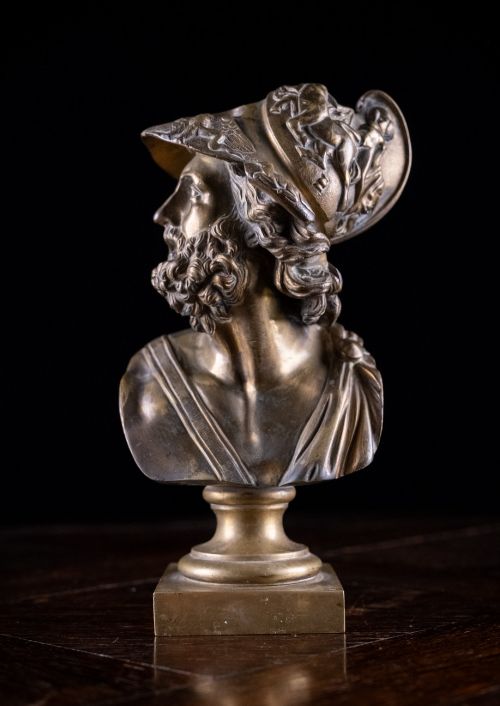
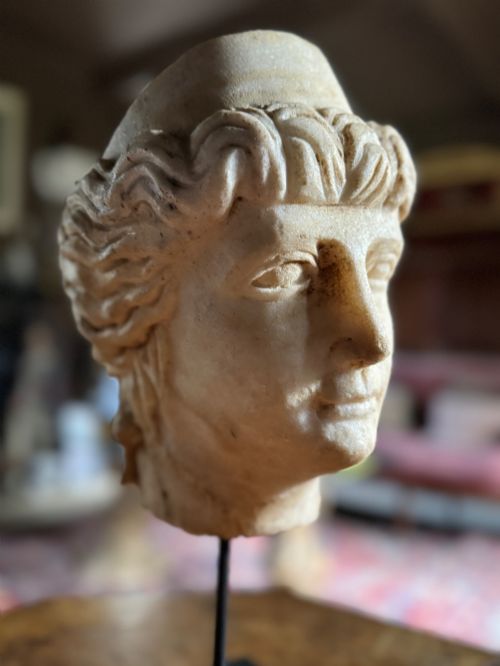
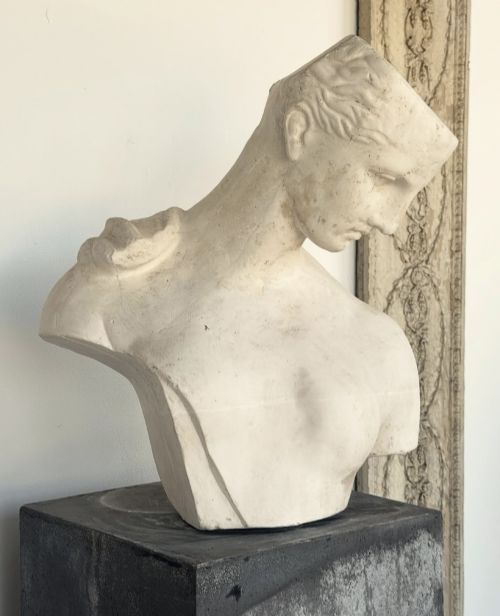
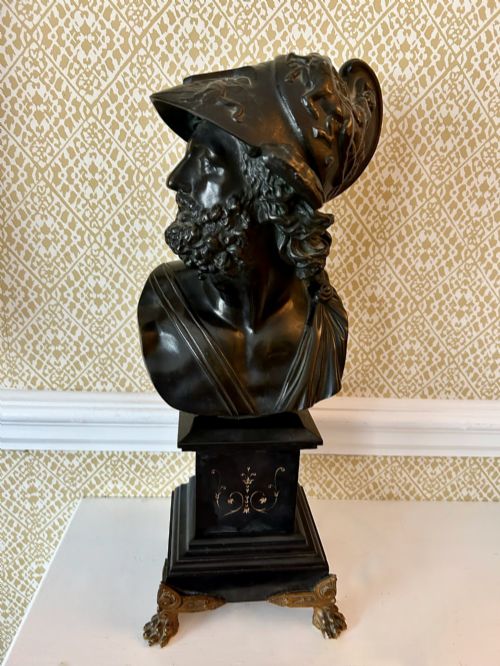
A neoclassical bust brings classical antiquity and stately presence into a room, drawing the eye with carved stone or cast metal likenesses of historical figures and mythological heroes.
Neoclassical Bust
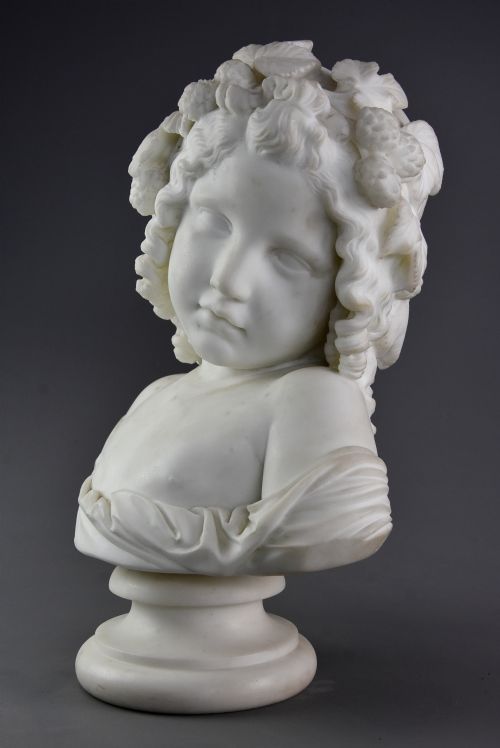
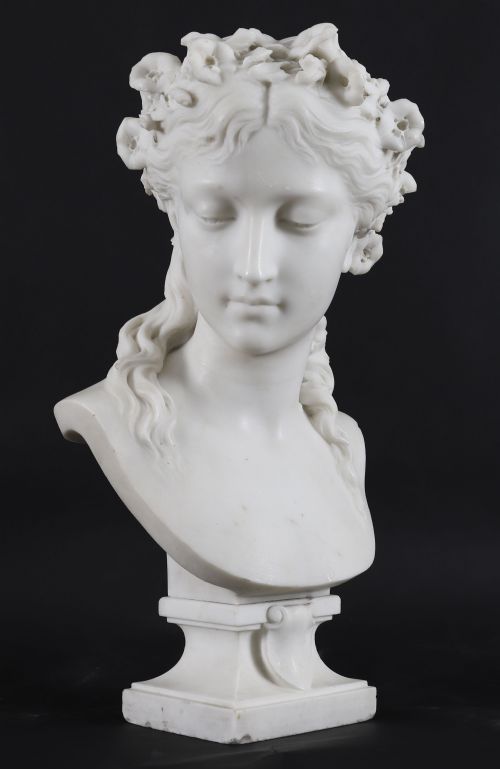
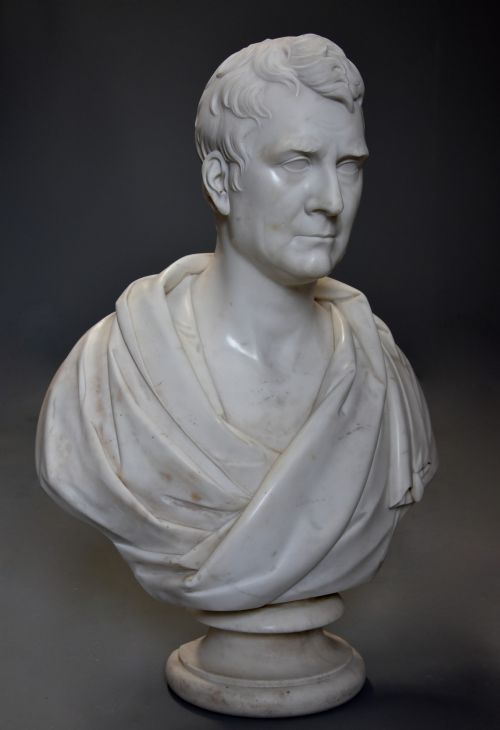
When searching for a neoclassical bust, a buyer encounters sculpted representations of mythological figures, Roman emperors, historical leaders, and literary heroes rendered in the revivalist tradition. These pieces range from grand monumental marble portraits commissioned by Victorian patrons to smaller Grand Tour souvenirs brought back by travellers from Italy.
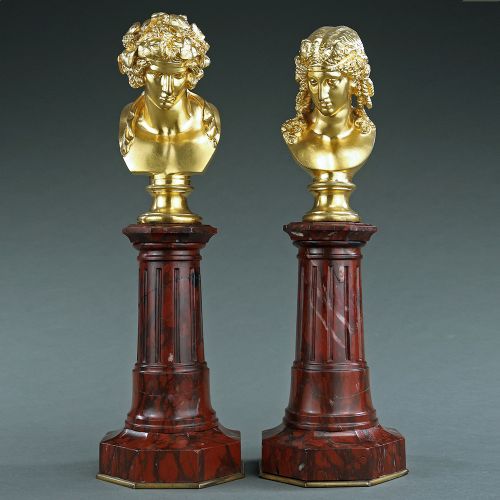
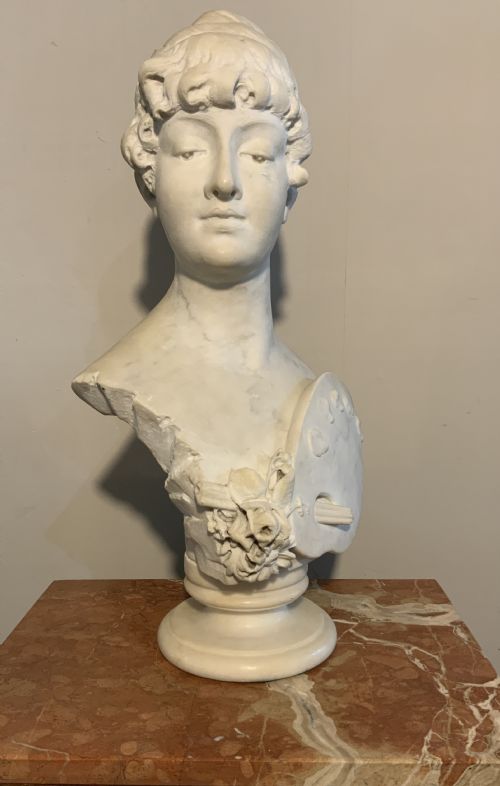
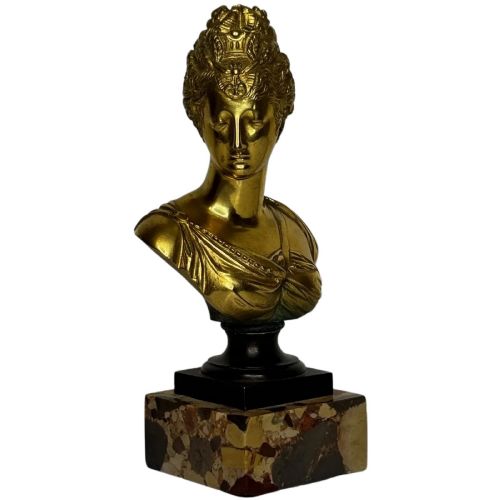
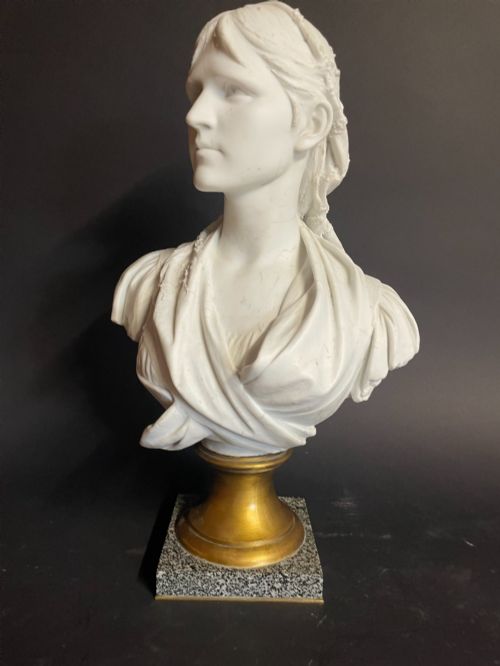
The most common examples on this page are carved from white Carrara marble or cast in bronze and plaster, frequently taking inspiration from ancient Greek and Roman statuary. Many adopt the forms associated with French Empire and Classical Revival movements, capturing subjects like Napoleon, Diana, or anonymous classical youths.
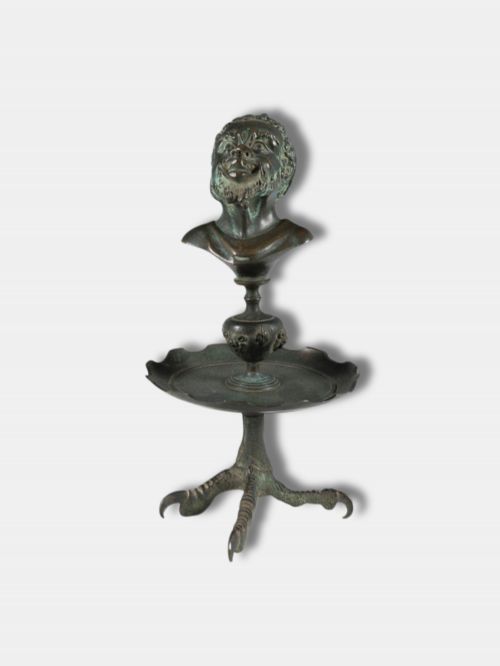
Beyond standalone sculptures, the selection includes library busts meant for desks, paired profile plaques, and subjects mounted upon columns or ormolu collars. Each piece reflects the enduring nineteenth-century fascination with antiquity, translating classical ideals into domestic ornaments.
How they were made
Sculptors carved neoclassical bust commissions from solid blocks of Carrara marble or stone using chisels and rasps to achieve smooth flesh tones and detailed drapery. Metal versions were produced by casting bronze or gilt bronze, often employing the lost-wax method before applying patinas or gilding with ormolu.
Plaster and terracotta pieces relied on moulds taken from classical originals or contemporary models, allowing workshops to produce multiple library studies for Victorian homes. Porous materials like parian porcelain and terracotta were fired in kilns to create matte finishes resembling carved stone.
Neoclassical Bust Retail Price Guide 2026
Typical asking prices for neoclassical bust among the pieces listed under this phrase on Sellingantiques today, from the lower quarter to the upper quarter. They describe what is for sale here now, not the wider market.
Listings feature works spanning the nineteenth and twentieth centuries, incorporating materials from Carrara marble and onyx to bronze and plaster.
What varies in quality
Signatures by established sculptors or documented foundry marks elevate a piece above anonymous studio work, reflecting the hand of a skilled artisan. The choice of material also dictates quality, with solid Carrara marble, heavy cast bronze, and fire-gilded ormolu commanding greater artistic merit than basic stone or painted plaster.
Chaudet·Houdon·Eugene Aizelin·J Francis·Johann Heinrich Dannecker·R. Mattei
The Neoclassical Bust Glossary
- Grand Tour
- A traditional trip through Europe undertaken by upper-class young men in the eighteenth and nineteenth centuries to study classical art. Travellers collected small bronzes, marble carvings, and terracotta plaques as souvenirs.
- Ormolu
- Finely ground high-carat gold mercury-gilded onto a bronze object, creating a bright golden finish. It frequently appears on collars, bases, and mounts supporting stone or bronze busts.
- Parian porcelain
- A fine-grained unglazed biscuit porcelain developed in the nineteenth century to imitate white marble. It allowed factories to cast detailed classical figures with a smooth, matte texture.
- Terracotta
- Baked red or buff clay used for sculptural models and finished portrait busts. It offers a warm, earthy tone that sculptors often patinated to resemble aged bronze or stone.
Neoclassical Bust: Frequently Asked Questions
Where were they displayed?
In nineteenth-century homes, these sculptures found places in libraries, studies, and grand hallways atop dedicated pedestals, columns, or wall brackets. Smaller library versions sat comfortably on mahogany desks and mantelpieces.
They served as conversational pieces that signalled the owner's classical education, refined taste, and familiarity with ancient history and literature.
How do I date a marble bust?
Dating relies on examining the hairstyle, clothing style, carving technique, and any signatures or foundry marks inscribed on the rear or base. Nineteenth-century pieces often reflect the specific revival aesthetics of the Victorian era or the Grand Tour trade.
Tool marks and the weathering of the marble surface also provide clues regarding whether a piece originates from the early nineteenth century or later revival periods.
What is the difference between marble and plaster?
Marble is a natural stone carved by hand, offering a translucent quality and heavy weight that distinguishes it from manufactured compositions. Plaster is a moulded material composed of gypsum powder and water, making it lighter and more porous.
While marble was chosen for primary salon commissions and important portraits, plaster served as an accessible medium for affordable study pieces and library ornaments.