

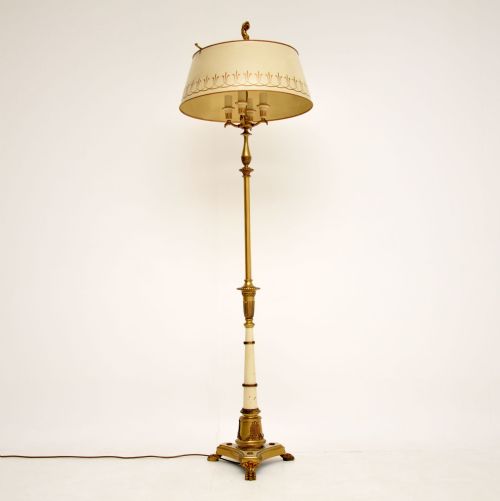


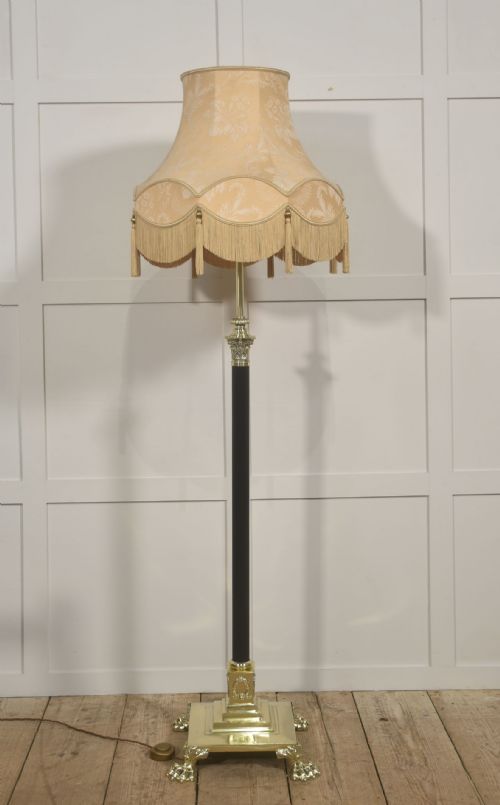

Neoclassical Brass Standing Light
A neoclassical brass standing light brings structured classical elegance to a room through fluted columns, patinated metal and balanced proportions.
Neoclassical Brass Standing Light
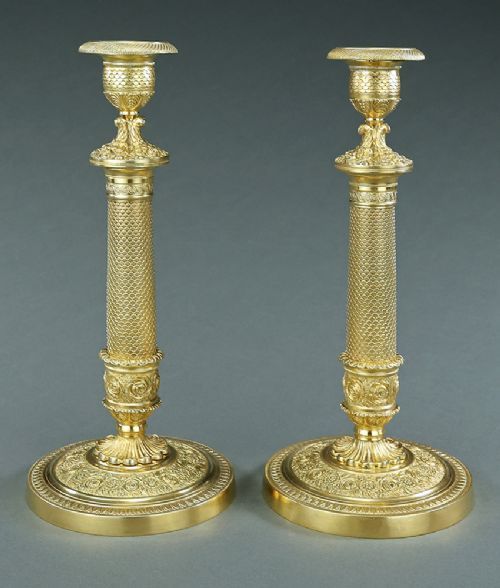
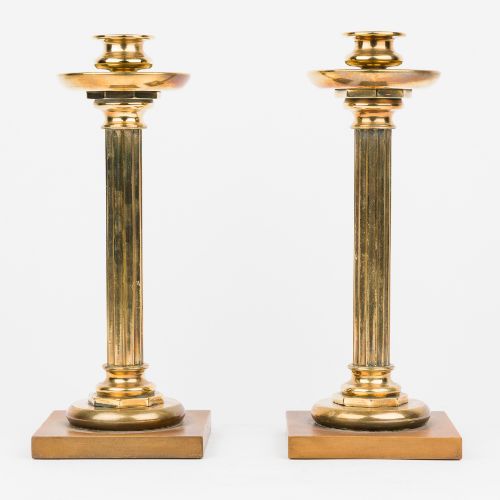
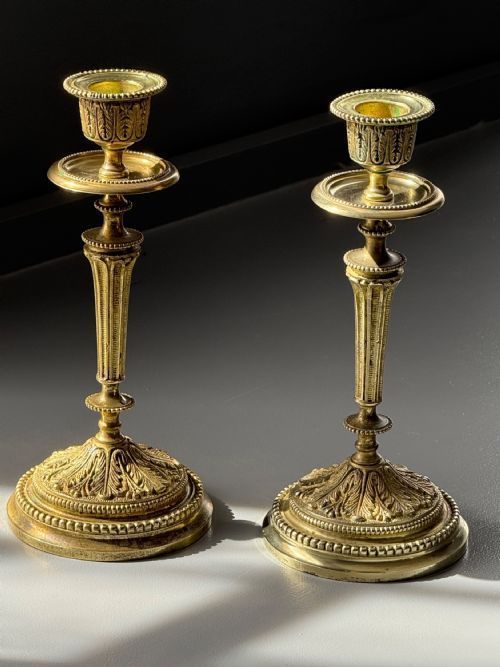
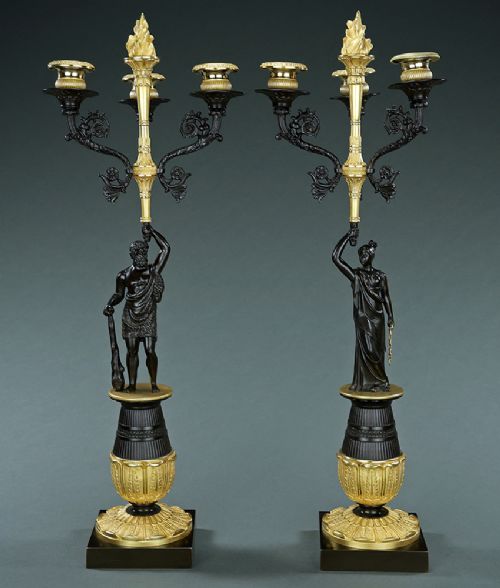
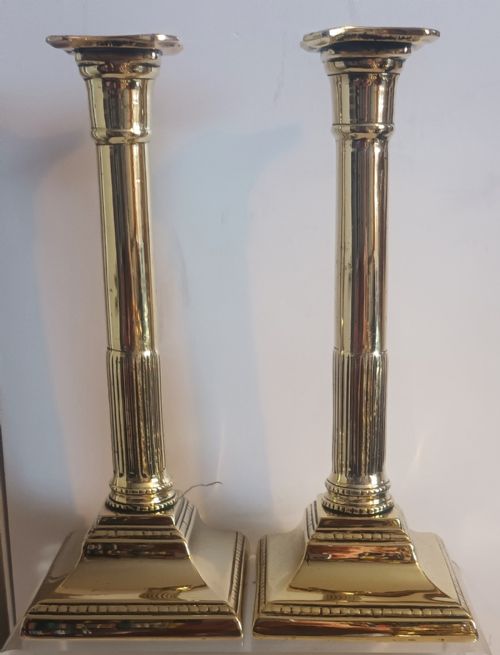
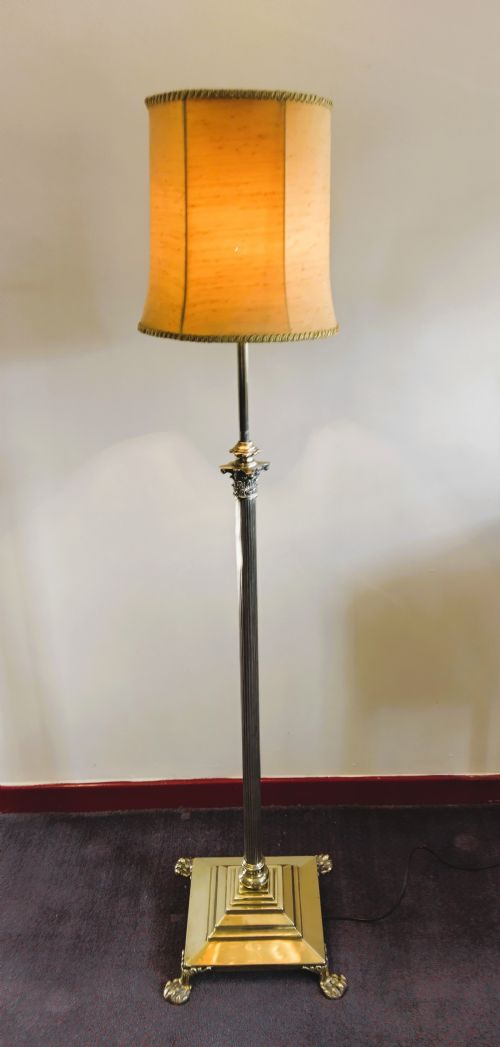
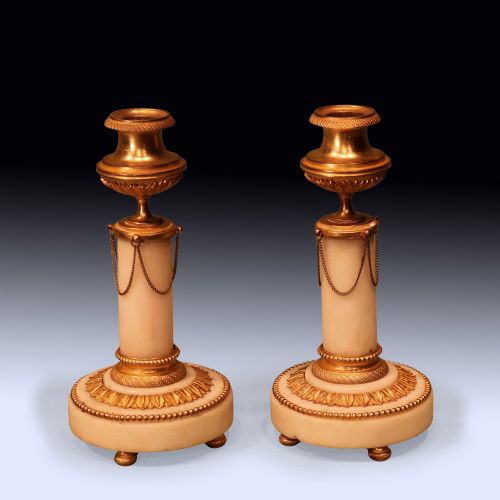
A neoclassical brass standing light draws upon classical architectural motifs such as Corinthian columns, fluted stems and cast mounts. These lighting fixtures take the form of tall floor lamps, standard lamps and converted candlesticks dating from the eighteenth century through to the early twentieth century.
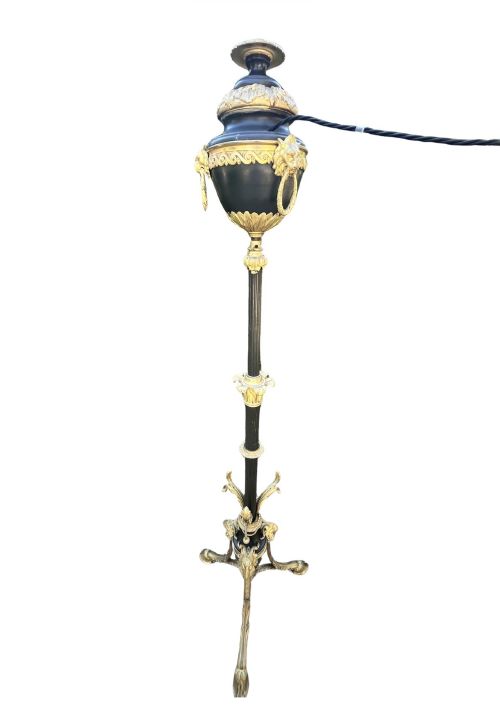
The most common examples on this page are tall standard lamps and floor lamps in brass, often incorporating adjustable stems, marble bases or patinated bronze details. Makers and manufacturers adapted these classical designs across the Regency, Victorian, Edwardian and Art Deco periods, combining utility with stately proportion.
Judging quality and craftsmanship
Quality rests upon the crispness of the cast ornamentation, the weight of the metal and the integrity of the proportions. Finer examples display deeply chased gilt bronze details, substantial brass columns and heavy marble or cast metal bases that provide genuine stability.
Simpler production pieces show softer casting lines and lighter gauges of brass tubing. The inclusion of complex mechanisms, such as telescopic adjustable stems and heavy cast capitals, distinguishes standard production from superior workshop examples.
Listings feature brass, bronze, gilt bronze, ormolu and marble across eighteenth-century, nineteenth-century, Regency, Victorian and Edwardian periods.
Hinks
The Neoclassical Brass Standing Light Glossary
- Ormolu
- A technique of applying finely ground high-carat gold to a bronze object using a mercury amalgam. This process creates a rich, durable golden surface seen on high-end French and English pieces.
- Patinated Bronze
- Bronze treated with chemical solutions to produce a darkened, aged surface finish. This treatment highlights the underlying chased details and contrasts with polished brass elements.
- Corinthian Column
- An architectural column style featuring an ornate capital decorated with acanthus leaves. This form appears frequently on the shafts of tall standard lamps and candlesticks.
- Grand Tour
- A traditional trip undertaken by European aristocrats to study classical antiquities. Objects acquired on these travels often inspired later neoclassical lighting designs.
- Telescopic
- An adjustable stem mechanism allowing the height of the lamp to be altered. This engineering feature is found on heavier floor and standard lamps.
Neoclassical Brass Standing Light: Frequently Asked Questions
How do I wire an antique floor lamp?
Rewiring requires running modern insulated cable through the internal channels of the brass stem, often exiting near the weighted base. A qualified electrician should carry out this work to ensure safety and compliance with current standards.
Original brass components and turnings can be retained during rewiring without altering the external appearance of the standard lamp. Care must be taken to protect antique surface patination from modern solvents during the process.
Are these lamps adjustable in height?
Many of the standard lamps and floor lamps feature telescopic stems with thumb screws or friction collars. This allows the overall height to be adjusted for different rooms and seating arrangements.
Heavier cast brass and bronze columns generally maintain stability even when fully extended. It is advisable to support the upper section with one hand when operating the adjustment mechanism.
What materials are used in the bases?
Bases frequently combine cast brass, patinated bronze, white marble and weighted iron internal plates. Marble plinths provide substantial gravity to balance the height of tall standard lamps.
Ormolu and gilt bronze mounts are often pinned or screwed to the primary metal or stone base. These mixed material constructions reflect the neoclassical preference for contrasting textures and tones.
How do I clean antique brass?
Dusting with a dry, soft cloth is sufficient for routine maintenance of patinated and lacquered brass surfaces. Abrasive cleaners and harsh metal polishes should be avoided because they strip away the historic patination.
Unlacquered brass naturally develops a darker oxidation over decades of exposure to air. Many collectors prefer to leave this acquired age rather than polish the metal back to a bright finish.
Can I use standard lamp shades?
Most standard lamps accept standard shade carriers and harp fittings, though the precise drop and gallery size depend on the lamp holder. Fabric shades can be selected to complement the period style of the brass and bronze base.
Proportion is the main consideration when matching a shade to a tall column lamp. A shade that is too wide will overpower slender fluted stems, while a small shade leaves the lamp looking top-heavy.