

Neoclassical Accent Table
A neoclassical accent table brings classical restraint and refined proportions to a room, offering a functional surface rooted in centuries of design.
Neoclassical Accent Table
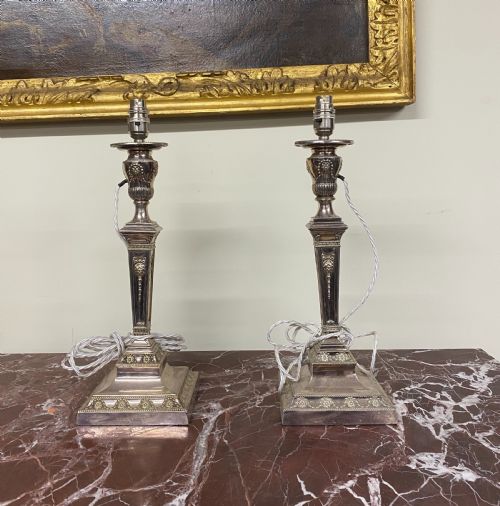
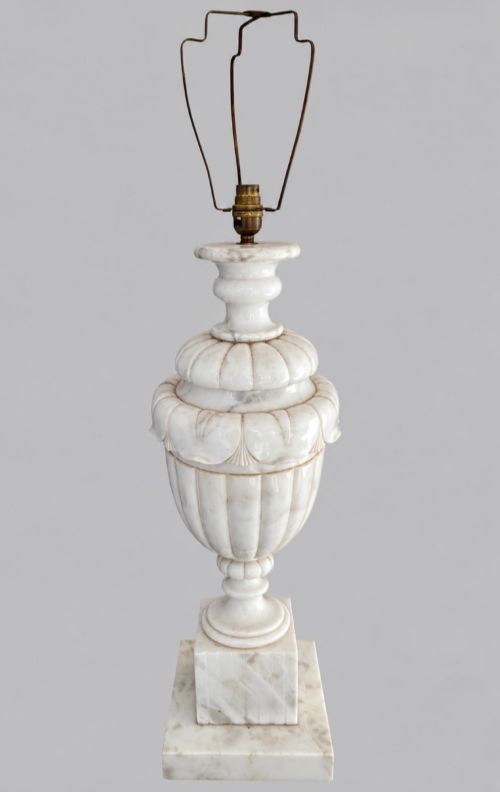
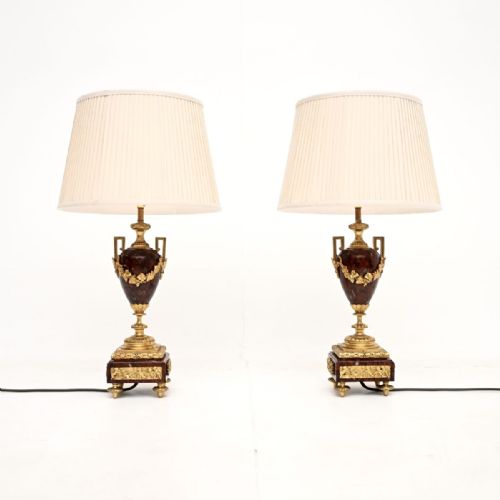
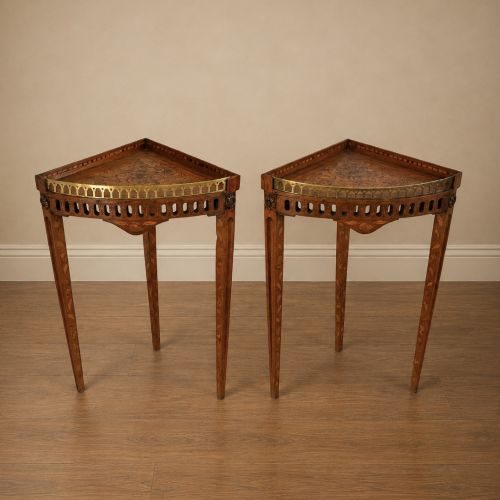
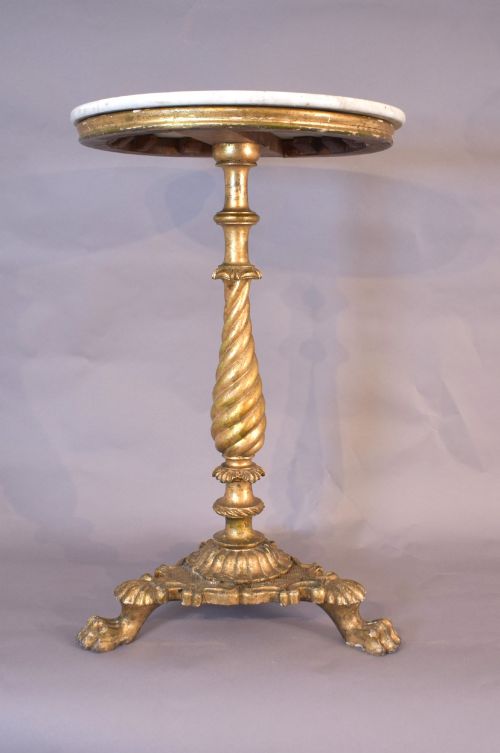
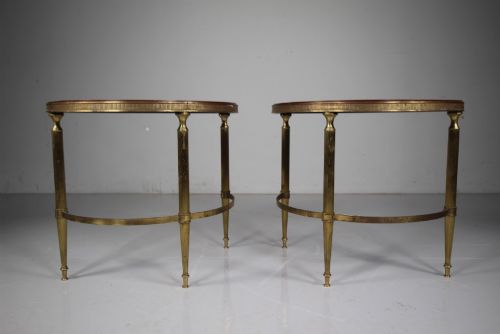
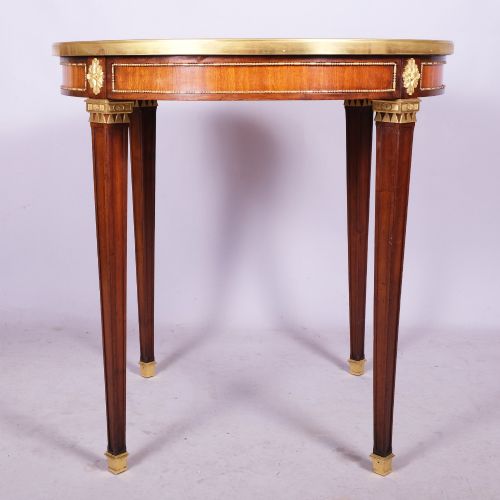
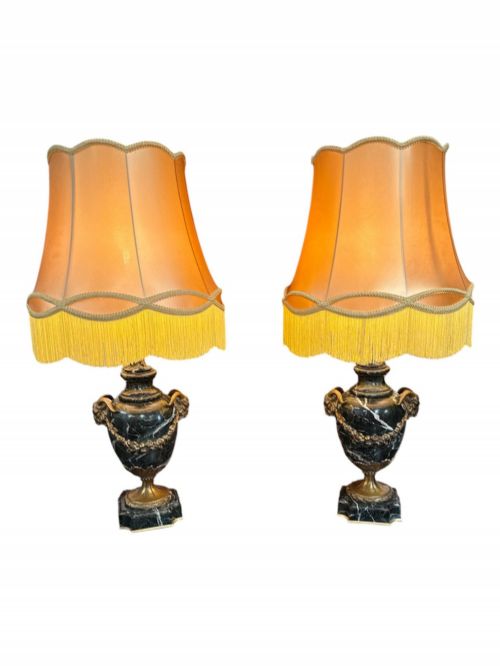
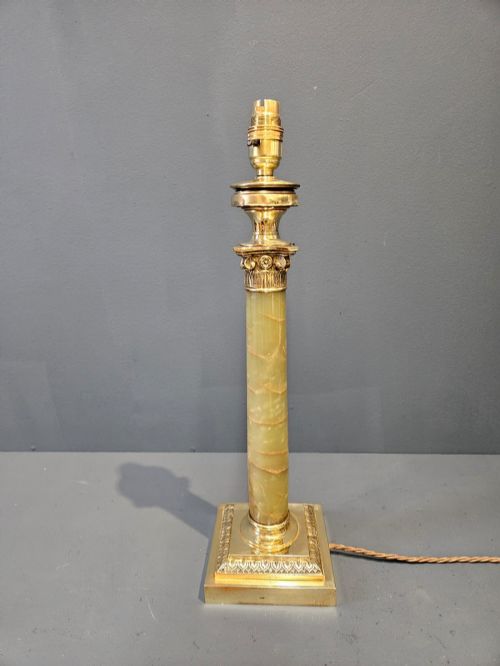
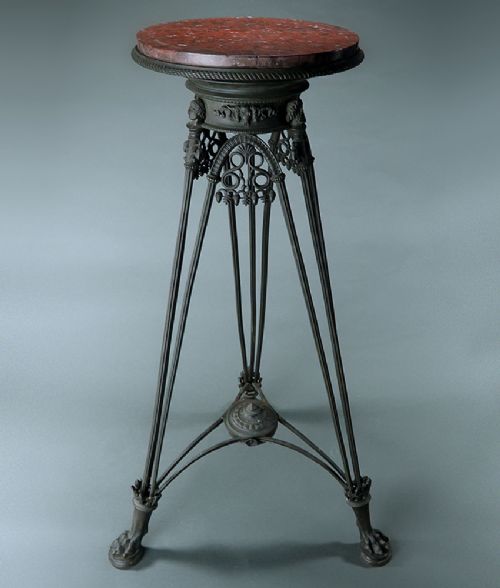
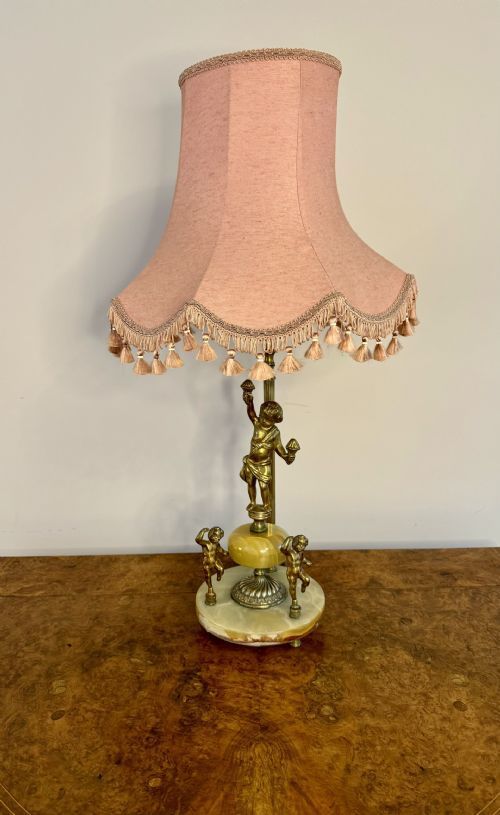
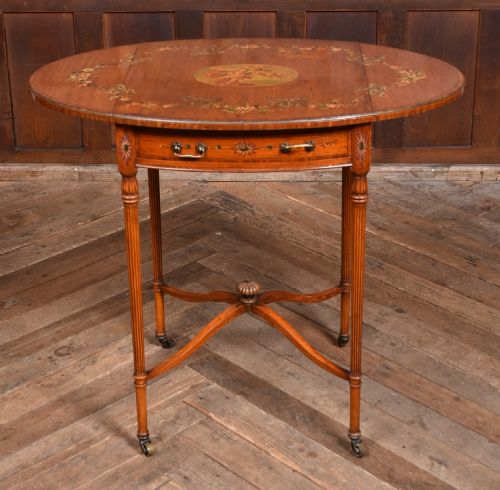
A neoclassical accent table encompasses a variety of small support furniture designed to anchor a room with classical motifs, straight lines and architectural symmetry. The pieces seen here span side tables, occasional tables, centre tables, Pembroke tables and guéridon tables alongside specialised lamp tables.
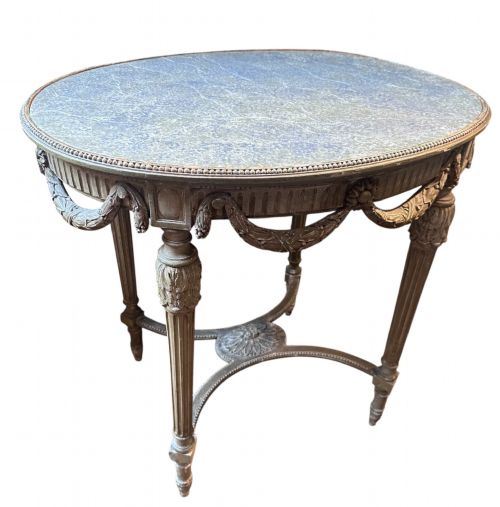
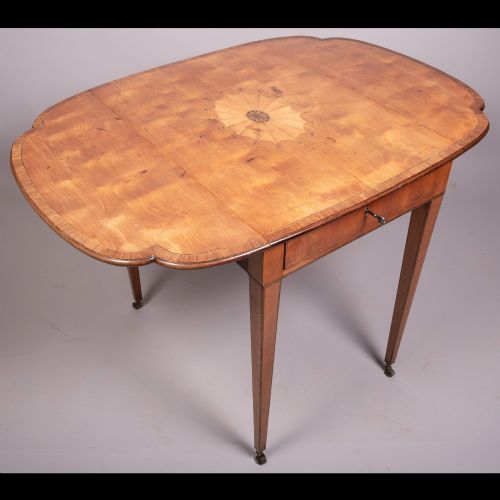
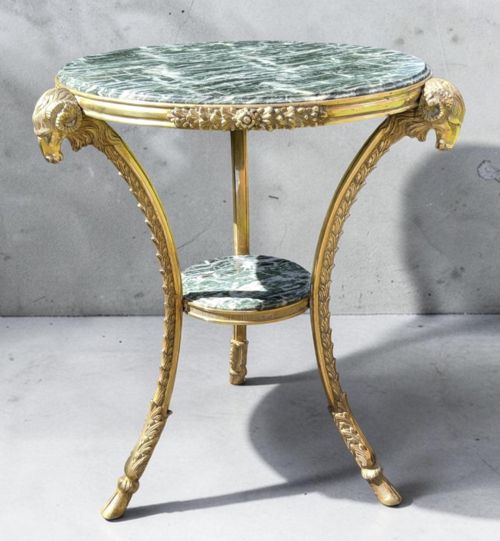
The most frequent examples on this page are French and English designs ranging from the eighteenth century through the Edwardian era and into the early twentieth century. These include marble-topped guéridons with cast brass mounts, satinwood Pembroke tables and gilded occasional pieces reflecting Louis XVI and Empire styles.
Buyers often select these forms to provide a functional resting place for lighting or decorative objects while introducing distinct historical character through inlaid marquetry, gallery rails or carved detailing.
How they were made
Cabinet makers utilised fine timbers such as mahogany and satinwood, frequently employing marquetry inlay to create intricate surface patterns across tabletops and friezes. Structural framing often relied on seasoned hardwoods to support heavier stone elements.
Metal components were cast in brass, gilt bronze or ormolu, producing decorative mounts, gallery rails and rams heads that echoed ancient architectural forms. Tops frequently incorporated polished slabs of white or coloured marble, alabaster or onyx fitted directly into wooden frames.
Neoclassical Accent Table Retail Price Guide 2026
Typical asking prices for neoclassical accent table among the pieces listed under this phrase on Sellingantiques today, from the lower quarter to the upper quarter. They describe what is for sale here now, not the wider market.
The selection includes pieces spanning the eighteenth century through the 1940s, featuring materials such as alabaster, onyx, satinwood and ormolu.
What varies in quality
The refinement of the cast bronze or brass mounts marks the distinction between standard production and top-tier workshop output, with superior examples exhibiting crisp chasing and detailed relief work on elements like putti or floral mouldings. Hand-painted satinwood panels and complex marquetry inlay display greater artistic control and precision in execution.
The choice and thickness of the stone top also indicate quality, as solid marble or alabaster slabs with active natural veining and precise edge profiling elevate the piece above simpler veneered or painted wood surfaces.
The Neoclassical Accent Table Glossary
- Guéridon
- A small French table, typically circular and supported by a central column or tripod base, often topped with marble.
- Pembroke table
- A small rectangular table with hinged drop leaves on either side, originating in the eighteenth century.
- Ormolu
- Finely ground high-carat gold mercury-gilded onto a bronze object, frequently used for decorative mounts.
- Marquetry
- The art of applying pieces of veneer to a structure to form decorative patterns and pictorial designs.
- Demi-lune
- Half-moon shaped, commonly used to describe side tables designed to sit flush against a wall.
Neoclassical Accent Table: Frequently Asked Questions
What is a guéridon table?
A guéridon is a small, freestanding circular table originating in seventeenth-century France, usually supported by a central pillar or three legs. These tables often feature inset marble tops and decorative metal mounts.
They were traditionally used to hold candlesticks or small decorative items, functioning as both accent furniture and practical display surfaces in classical interiors.
How do I identify Louis XVI style?
Louis XVI style is marked by a return to straight lines, symmetry and classical architectural vocabulary following the curves of the preceding Rococo period. Look for tapered fluted legs, carved ormolu sabots and geometric friezes.
Pieces from this revival era frequently incorporate contrasting veneers, classical urn motifs and restrained floral swags.
Where should I place a Pembroke table?
A Pembroke table works well beside a sofa or chair where its drop leaves can be raised when extra surface area is required and lowered to save space. Their finished backs and compact proportions also allow them to sit flat against a wall in a hallway.
The slender proportions and inlaid satinwood or mahogany tops suit drawing rooms and studies seeking a refined classical touch.
What is a brass gallery?
A brass gallery is a low decorative railing fitted around the perimeter of a tabletop to prevent items from sliding off. They are commonly found on antique lamp tables, pembroke tables and side tables from the eighteenth and nineteenth centuries.
These galleries add a crisp metallic accent that complements the mahogany, satinwood or marble surfaces beneath them.