
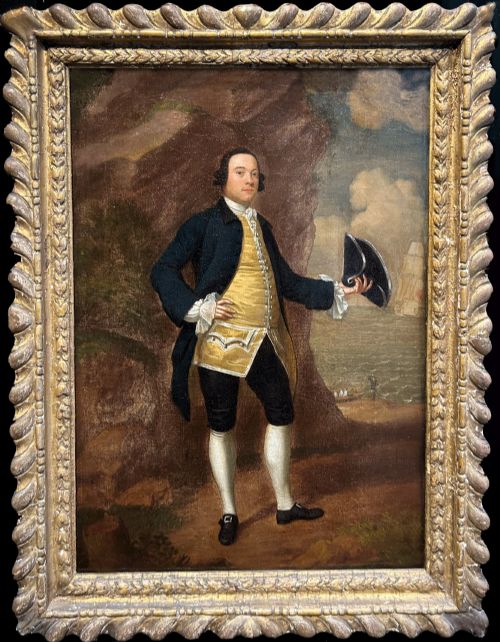


Naval Portrait Oil Painting
Naval portrait oil painting works as both a record of service and a study of character, capturing officers, captains, and vessels across centuries.
Naval Portrait Oil Painting
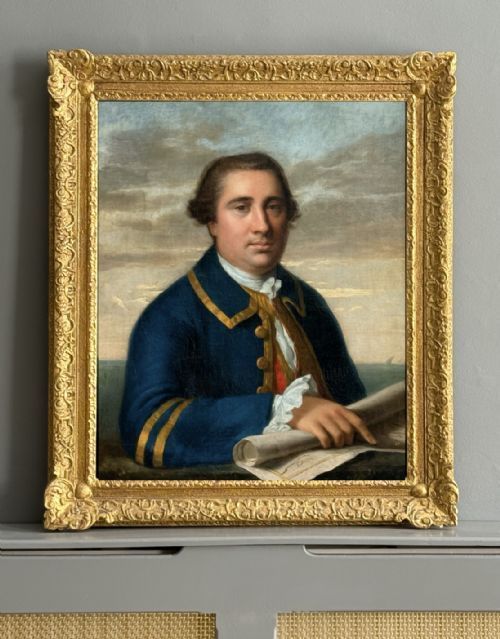
A naval portrait oil painting depicts officers, captains, admirals, and privateers, often alongside the vessels they commanded or engaged. When you search for this phrase, you encounter works spanning from the seventeenth century through to the mid-twentieth century.
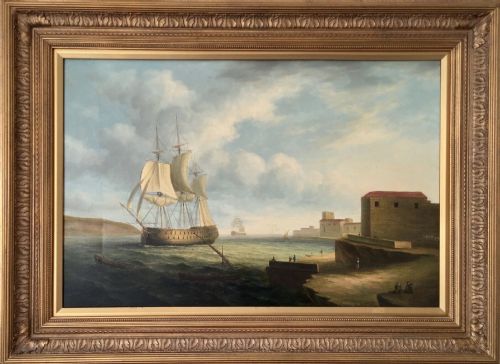
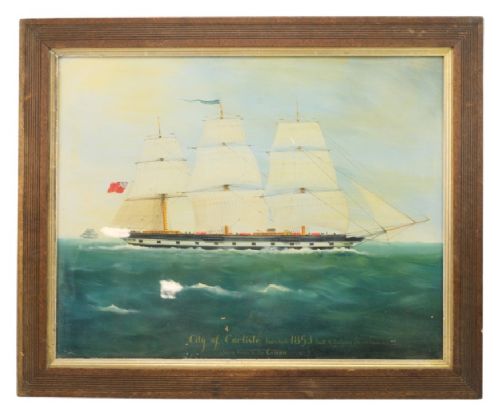
The subjects range from named historical figures in formal uniform to merchant navy captains and French naval officers wearing orders. Many pieces combine portraiture with maritime scenes, showing galleons, frigates, and steam ships at sea or in harbour.
Georgian and Victorian examples dominate, executed by various British and continental schools. You will find both intimate panel paintings and large canvases recording specific historical figures and ships.
Materials and methods
These works are painted in oil on canvas or wood panels, utilising traditional pigment mixtures that capture the texture of naval uniforms and the movement of water. Ground preparation varied by period, with earlier works employing wood panels and later examples favouring stretched canvas.
Frames frequently incorporate wood and gold leaf, resulting in giltwood surrounds that complement the dark tones of maritime backgrounds. Artists applied oil paint in layered glazes to achieve depth in stormy waters and detail in gold braid and medals.
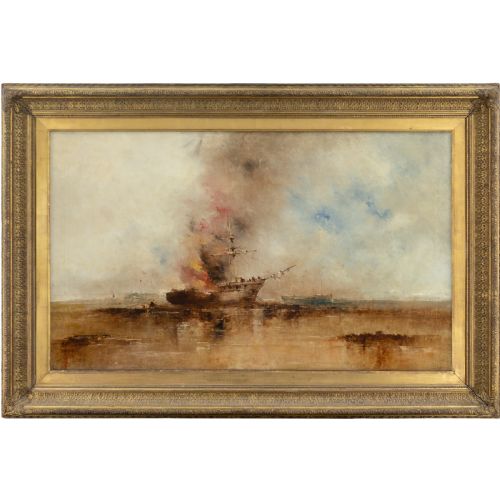
Several captains gaze outward while their ships brave choppy waters behind them, seemingly unbothered by impending maritime disaster.
Judging quality
The standard of a naval portrait oil painting depends upon the precision of the facial likeness and the anatomical accuracy of the uniform. Superior works capture the sitter's specific rank, decorations, and individual expression rather than relying on generic formulas.
Background execution also dictates quality, distinguishing hurried studio output from masterwork compositions where rigging, naval architecture, and marine atmosphere receive meticulous attention. The handling of light on fabric and water separates accomplished artists from lesser hands.
James Hardy·William McAlpine·Lemuel Francis Abbott·Francis Hayman·Claude Lorrain·John Simmons·Marie Edouard Adam·Thomas Lawrence·Henry L Gates·Samuel Lane·John Laviers Wheatley·Maurice Codner·Robert Ker Porter·Ambrosini Jerome·Richard Hall
The Naval Portrait Oil Painting Glossary
- Giltwood
- Wood carved and coated with gold leaf or gold paint. This material is standard for framing historical portraits.
- Panel
- A flat piece of wood used as a rigid support for painting. Panels are particularly common in earlier maritime works.
- Privateer
- A privately owned ship authorised by government commission to attack enemy shipping. Portraits often commemorate the captains of such vessels.
- Naval uniform
- The official clothing worn by officers of a navy, changing significantly in cut and colour across the centuries. Details of these garments help date the artwork.
Naval Portrait Oil Painting: Frequently Asked Questions
How do I identify the rank in a naval portrait oil painting?
Rank is usually indicated by the arrangement of lace, epaulettes, and gold braid on the collar and cuffs of the uniform. Medals and orders worn on the chest also record the specific honours achieved by the sitter.
Studying the sitter's cap badge or uniform cut provides further clues to their exact position within the naval hierarchy during that period.
Where should I hang an antique naval portrait oil painting?
These works require stable wall space away from direct sunlight and heat sources to protect the oil paint and canvas. Traditional rooms with good natural light suit their dark tones and giltwood frames best.
Ensure the hanging height allows comfortable viewing of the facial details and uniform insignia at eye level.
How do I distinguish an 18th century naval portrait from a Victorian one?
Eighteenth-century portraits typically feature softer facial rendering, powdered hair or specific wig styles, and simpler uniform coats with less rigid structure. The brushwork often feels more painterly and fluid compared to later Victorian output.
Victorian canvases tend towards crisper detail in medals, sharper uniform tailoring, and more dramatic background marine elements.
What does attribution to a circle or school mean?
Attribution to a circle indicates that a painting was produced by an unnamed artist working closely within the style and workshop of a master. School references denote works created within a specific country and period without pointing to a single hand.
These designations reflect traditional ways auctioneers and dealers classify historical fine art when a signature is absent.