


Canvas Naval Officer Painting
A canvas naval officer painting captures the authority and maritime history of commanders through centuries of portraiture.
Canvas Naval Officer Painting
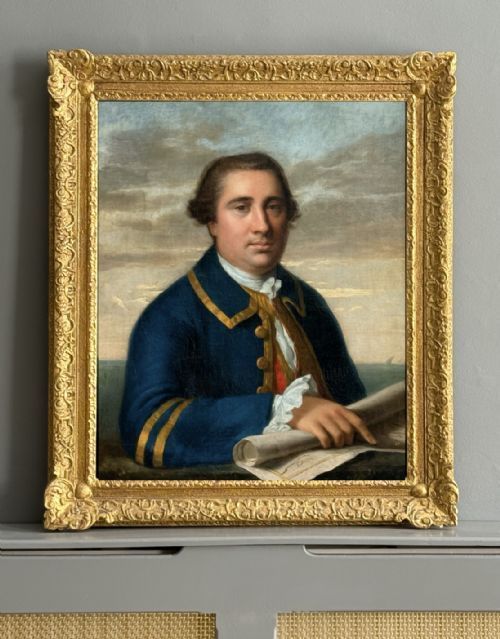
A canvas naval officer painting portrays commanders, captains, and admirals in their service uniforms and formal attire. When you search for this phrase, you encounter works spanning from the seventeenth century through the mid-twentieth century. The selection includes eighteenth-century depictions of captains alongside Victorian and mid-century representations of admirals.
These artworks document naval history through individual likenesses, often recording specific medals, orders, and uniform details. The subjects range from historically significant admirals to merchant navy captains and royal figures in naval dress. Eighteenth-century and nineteenth-century canvases form the core of the available subjects.
How they were made
Many of these historical works retain their original frames, constructed from wood with gesso ornamentation and giltwood finishes. The combination of oil on canvas and gilded wood frames defined formal portraiture conventions across multiple artistic periods.
Several portraits feature sitters holding navigational instruments or torches, highlighting their maritime duties beyond the battlefield.
What varies in quality
Brushwork precision and pigment preservation also determine quality, as superior canvases maintain luminous skin tones and crisp details in lace, epaulettes, and medals. The handling of background shadow and light on fabric separates accomplished academic portraiture from routine commercial output.
Lemuel Francis Abbott·Sir Thomas Lawrence·Robert Ker Porter·Ambrosini Jerome
The Canvas Naval Officer Painting Glossary
- Oil on Canvas
- Pigments bound with drying oils applied to a woven fabric support. This technique provides flexibility and rich colour depth suitable for formal portraiture.
- Giltwood
- Wood carved and coated with gold leaf or gold paint. This material is standard for the ornate frames accompanying historical portraits.
- Gesso
- A plaster-like mixture applied to wooden frames as a base for gilding. It allows for crisp ornamental moulding around the edge of the painting.
- Mid-Century Portraiture
- Artwork produced around the middle of the twentieth century. These later portraits continue traditional military uniform documentation.
Canvas Naval Officer Painting: Frequently Asked Questions
How do I identify the rank of the officer?
Uniform details such as lace, epaulettes, and sleeve braid indicate the specific naval rank of the sitter.
Medals and chest orders depicted on the canvas also provide clues regarding the historical identity and achievements of the officer.
Are these paintings original period works?
The available selection consists of authentic period works created during the lifetimes of the subjects or shortly thereafter.
Techniques and materials align with the stated centuries, ranging from seventeenth-century priming methods to twentieth-century canvas preparation.
How should I hang a canvas oil painting?
Position the artwork away from direct sunlight and excessive moisture to protect both the oil pigments and the canvas support.
Ensure the wall fixings securely support the weight of both the canvas stretcher and the heavy wooden frame.
What frames typically accompany these portraits?
Many of these historical paintings retain period frames made from wood decorated with gesso and gilt finishes.
These decorative surrounds complement the formal nature of naval portraiture from the Georgian and Victorian eras.