






Nautical Wooden Carving
When you seek a nautical wooden carving, you are looking at handcrafted maritime objects fashioned from timber, pine, mahogany, and oak across the nineteenth and early twentieth centuries.
Nautical Wooden Carving
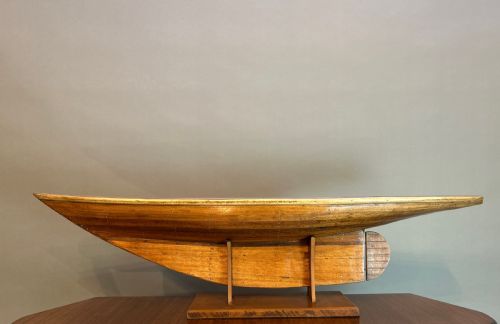
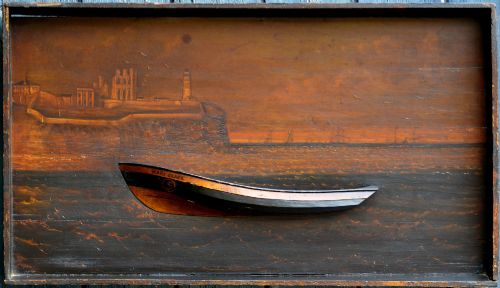
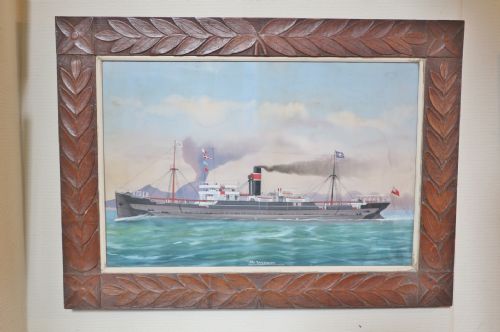
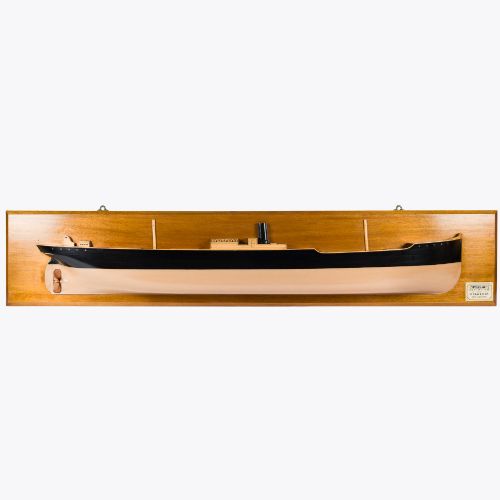
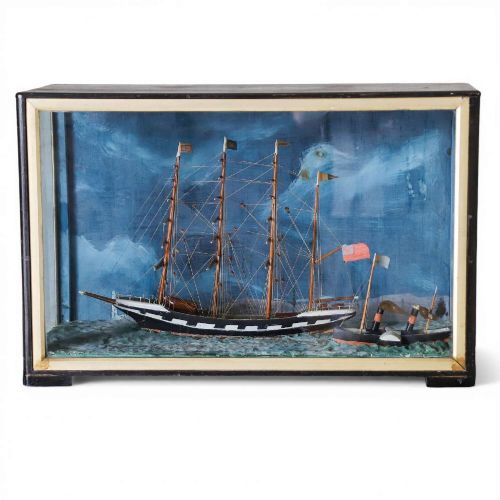
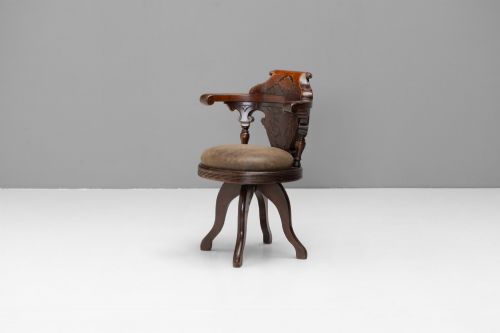
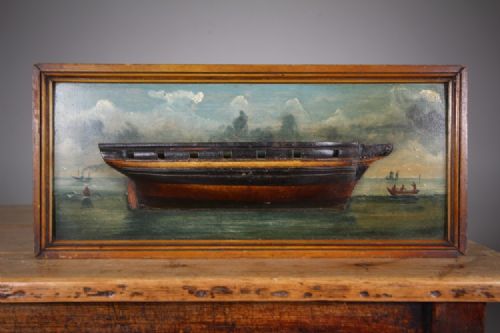
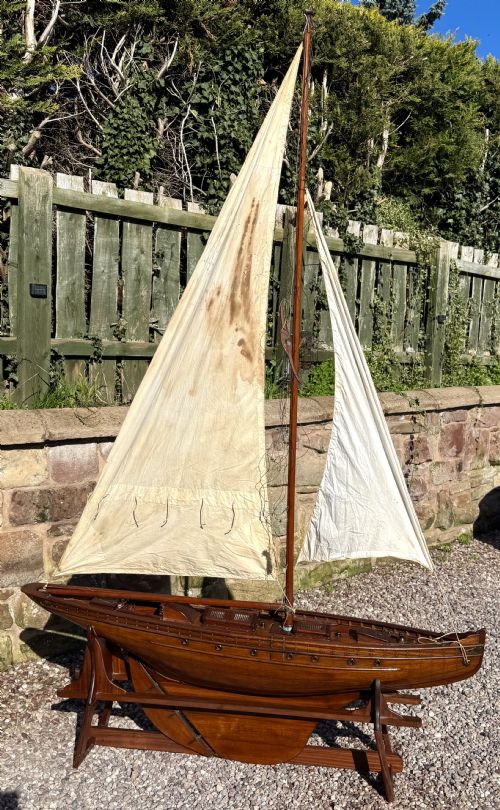
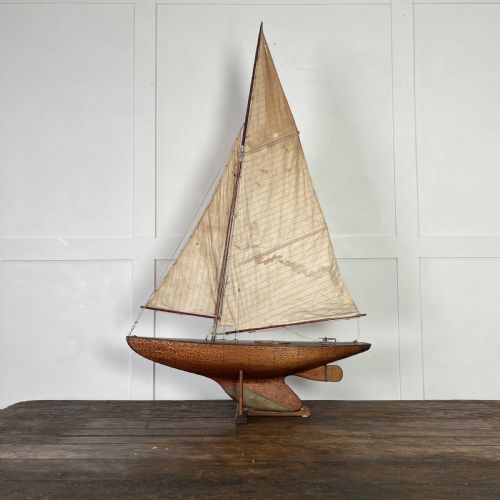
A nautical wooden carving encompasses utilitarian maritime equipment, folk art sculptures, and intricate model vessels originating from nineteenth and early twentieth century workshops. The selection here brings together carved half hull models, ships chairs, pond yachts, dioramas, and sailors fids shaped from various timbers.
The most common forms on this page include pond yacht hulls, scratch-built model ships, and framed maritime dioramas reflecting Victorian and Edwardian seafaring life. Makers utilised pine, oak, sycamore, and mahogany to construct these functional and decorative pieces for domestic and coastal settings.
How they were made
Craftsmen shaped these items using traditional hand tools on native and exotic woods such as pine, mahogany, elm, and oak, frequently adding brass hardware, glass panels, canvas, and applied paint. Structural elements like pulley blocks and sailors fids demonstrate practical carpentry designed to endure maritime conditions.
Model hulls and dioramas combined carved timber forms with painted backdrops, textiles, and rigging to simulate ships at sea. Folk art pieces often emerged from sailors or coastal artisans working with whatever timber and pigments came to hand during long voyages or shore leave.
Nautical Wooden Carving Retail Price Guide 2026
Typical asking prices for nautical wooden carving among the pieces listed under this phrase on Sellingantiques today, from the lower quarter to the upper quarter. They describe what is for sale here now, not the wider market.
Listings feature eighteenth, nineteenth, and twentieth-century items, spanning the Victorian and Edwardian eras in pine, mahogany, and oak.
What varies in quality
The distinction between standard items and superior examples lies in the precision of the carving, the complexity of the internal rigging or painted scenery, and the preservation of original surfaces. Pieces with detailed historical context or named vessels carry greater visual presence than generic workshop productions.
Materials and construction methods also dictate the grade of a piece, from simple utilitarian pine blocks to elaborately carved sycamore luxury models mounted on marble bases. Original paintwork, untouched patination, and intricate assembly separate standard decorative objects from museum-calibre folk art.
W. Grey and Co
The Nautical Wooden Carving Glossary
- Diorama
- A three-dimensional scene enclosed within a glass-fronted case, often depicting sailing ships racing or navigating coastal waters.
- Half hull model
- A three-dimensional representation of one side of a ship's hull, utilised by shipwrights to design vessel shapes.
- Sailors fid
- A conical wooden tool utilised by mariners for splicing ropes and separating strands during rigging work.
- Pulley block
- A wooden housing containing one or more sheaves used in maritime rigging to change the direction of force.
- Pond yacht
- A miniature sailing vessel weighted for balance and sailed recreationally on lakes and ponds.
Nautical Wooden Carving: Frequently Asked Questions
What is a maritime diorama?
A maritime diorama is a cased three-dimensional display featuring carved model ships set against painted seascapes or backgrounds.
These pieces were constructed to record specific vessels or dramatic ocean scenes using wood, canvas, and glass.
How were half hull models used?
Half hull models served as functional design templates for shipwrights planning the lines and proportions of full-sized wooden vessels.
Craftsmen later mounted these carved wooden sections as decorative wall pieces reflecting naval architecture.
What is a sailors fid?
A sailors fid is a pointed wooden tool carved from dense hardwoods like rosewood or oak for working with heavy rigging ropes.
Mariners used these implements aboard ship to splice lines, untie tight knots, and open rope strands.
How do I date a wooden pond yacht?
Dating a pond yacht relies on examining hull construction techniques, timber types, and associated deck hardware from periods like the Edwardian era or the nineteenth century.
Original stands, painted details, and distinct hull shapes often indicate the decade of manufacture.