



Nautical Watercolour Art
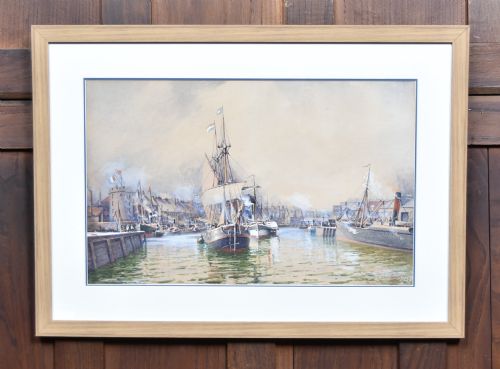
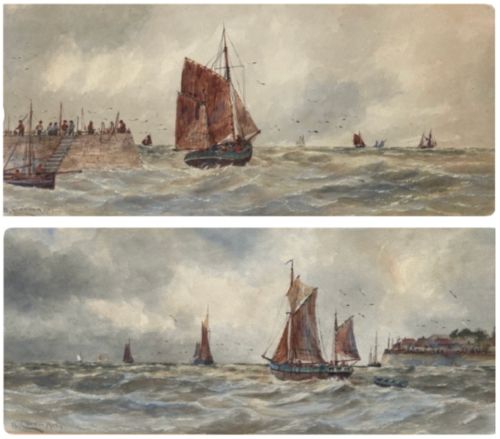
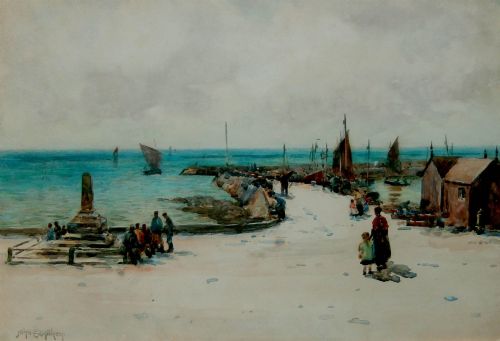
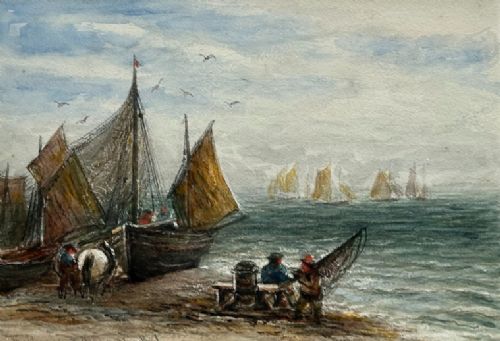
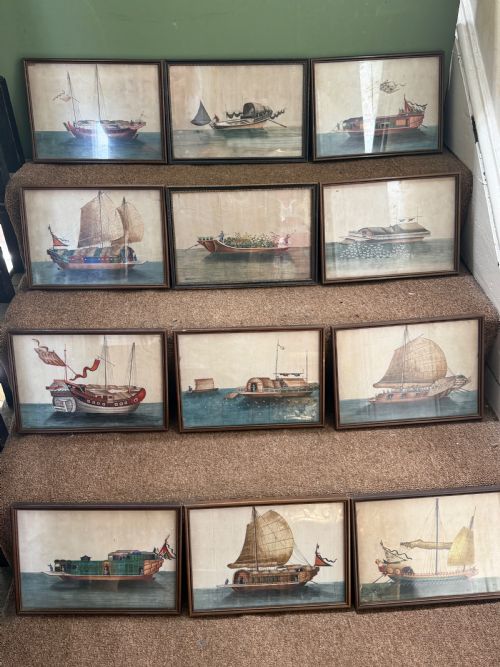
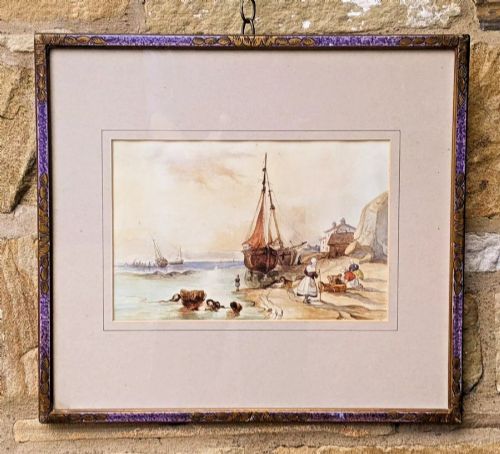
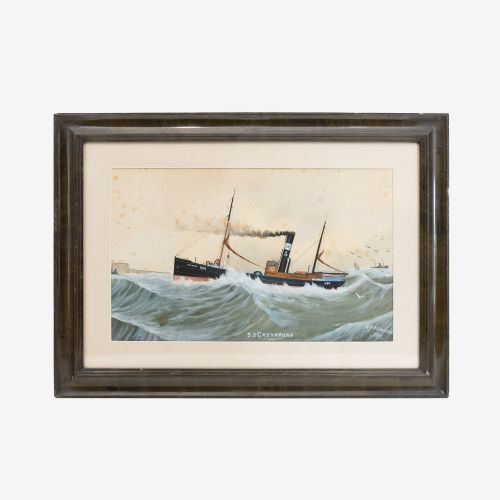
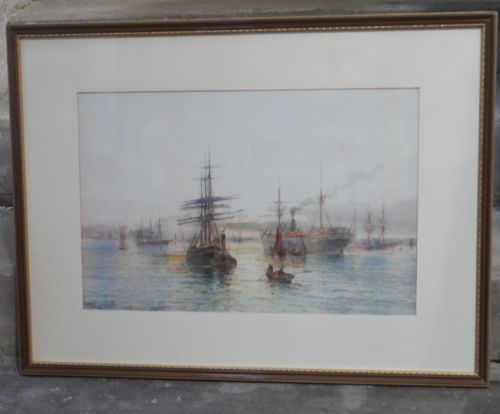
Nautical watercolour art captures the movement of coastal tides, working vessels and naval fleets through fluid washes of pigment on paper.
Nautical Watercolour Art
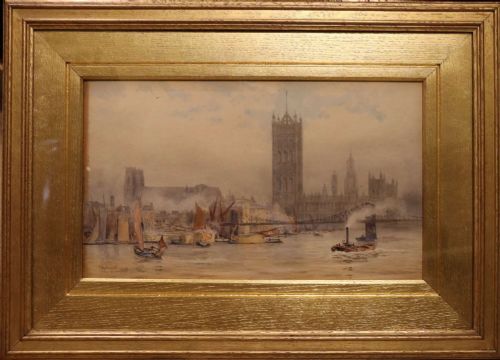
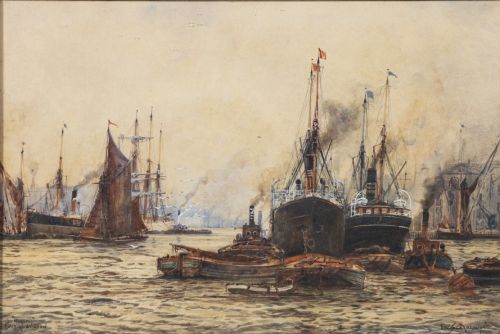
The majority of pieces date from the Victorian and Edwardian eras, reflecting a period of intense maritime commerce and coastal exploration. Artists recorded bustling ports, estuarine waters, and open seas using techniques developed by the British watercolour school. Subjects frequently encompass specific locations such as the Thames, the Medway, and various regional havens across the British coastline and international waters.
Materials and Techniques
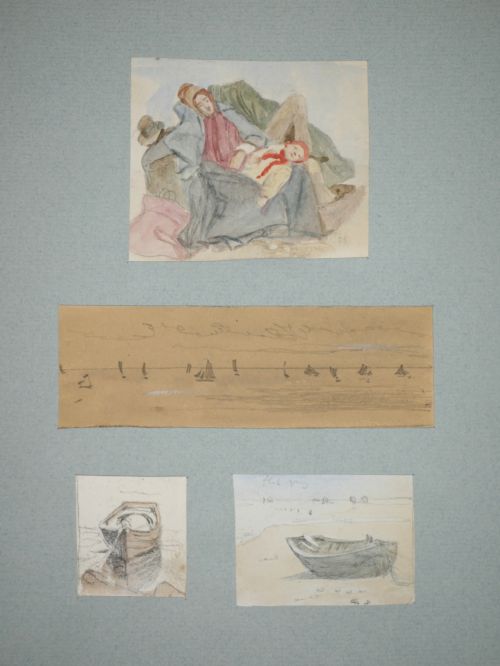
Artisans applied watercolour pigment and opaque gouache onto prepared paper surfaces, occasionally employing pencil underdrawings to establish the structural composition of hulls and rigging. Artists manipulated fluid washes to render atmospheric skies and shifting sea conditions, building tone through layered applications of colour.
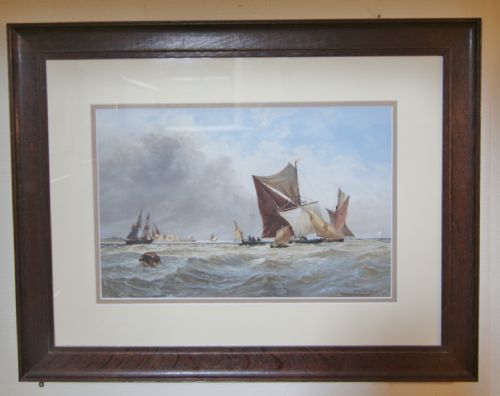
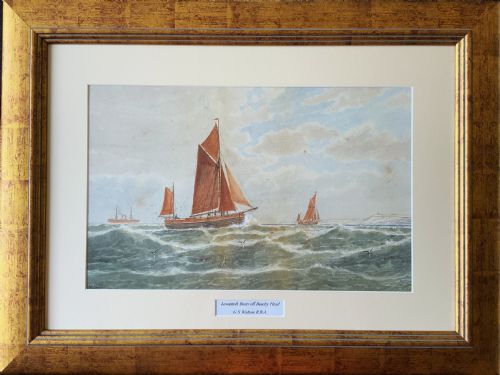
Finished paintings were secured behind glass to protect the delicate water-soluble pigments from moisture and airborne pollutants. These sheets were mounted within timber frames, sometimes finished with gold leaf or gilt wood moulding to complement the maritime subject matter.
Nautical Watercolour Art Retail Price Guide 2026
Typical asking prices for nautical watercolour art among the pieces listed under this phrase on Sellingantiques today, from the lower quarter to the upper quarter. They describe what is for sale here now, not the wider market.
Listings feature works executed on paper using watercolour pigment, gouache, and gold leaf, presented within wood and gilt frames.
Factors Determining Quality
Quality rests upon the artist's command of perspective, tonal depth, and maritime accuracy, particularly in the rendering of rigging, hull construction, and water movement. Superior compositions exhibit confident brushwork and precise atmospheric control over light and shadow, distinguishing skilled professional practitioners from amateur recorders.
Preservation of the original paper support and the vibrancy of the pigments also dictate worth. Works displaying minimal fading, stable paper integrity, and original framing elements retain greater historical and visual coherence.
GM Avondale·William Woolard·H Medlycott·James Orrock·William Cannon·James Smetham·John E Aitken·Frank William Scarbrough·TB Hardy·Alexander Harwood·George Stanfield Walters·Henry Barlow Carter·Richard Harry Carter·Vincenzo D Esposito·William Lee Hankey·Ernest Dade·Robert Leslie Howey·Fred Waugh·Samuel Owen·Leslie Rackham·Ernest F Hill·William Wyld
The Nautical Watercolour Art Glossary
- Gouache
- An opaque watercolour medium containing pigment mixed with a binding agent and white filler. It allows artists to apply solid highlights and dense areas of colour over transparent washes.
- Bodycolour
- Another term for gouache or watercolour containing opaque white pigment. Painters utilised it to add luminous highlights to breaking waves and sails.
- Lugger
- A small fishing vessel featuring one or more masts carrying lug sails. These boats appear frequently in coastal art from Devon, Cornwall, and Yorkshire.
- Man-of-war
- A warship or frigate belonging to a royal navy during the sail era. Artists depicted these vessels to document naval power and historic fleets.
Nautical Watercolour Art: Frequently Asked Questions
What periods do these paintings come from?
The available selection spans the nineteenth and twentieth centuries, with a strong representation of Victorian and Edwardian works. Painters active between eighteen-eighty and nineteen-forty produced the majority of these coastal views.
Dates are often established through artist signatures, exhibition labels, or stylistic markers associated with British maritime art schools of the period.
How should I frame and display them?
Watercolour paintings require protection from direct sunlight to prevent the pigments from fading over time. Displaying them away from moisture-prone areas ensures the paper support remains stable.
Many pieces arrive within period wooden or gilt frames that complement the artwork and should be retained where structurally sound.
How do I identify different vessel types?
Vessels are identified by their rigging, hull shape, and operational use, ranging from commercial steamships and naval ironclads to traditional fishing cobles and luggers. Artists frequently recorded specific commercial craft operating in British ports.
Detail in the depiction of sails and masts helps distinguish between working coastal boats and larger ocean-going vessels.
Are these works original or reproductions?
The listings comprise original hand-painted watercolours and gouache works created directly by the artists rather than modern mechanical reproductions. Each piece exhibits unique brushwork and pigment application on paper.
Signatures, dates, and inscriptions written by the artist provide evidence of authenticity and historical context.