


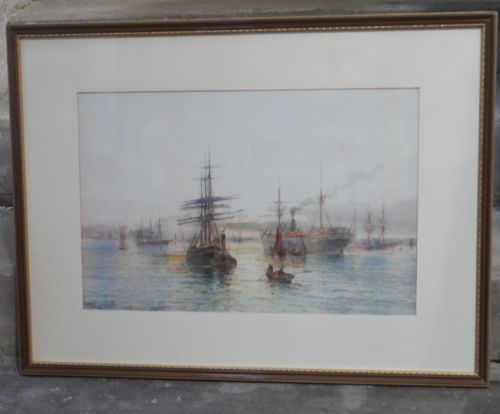
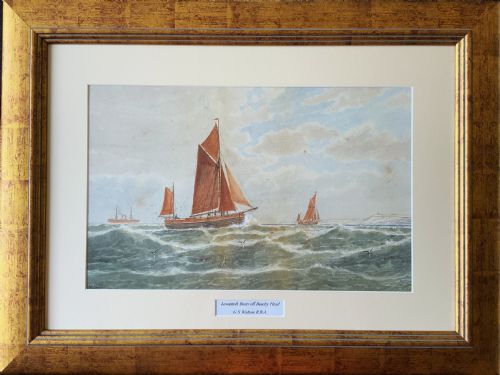
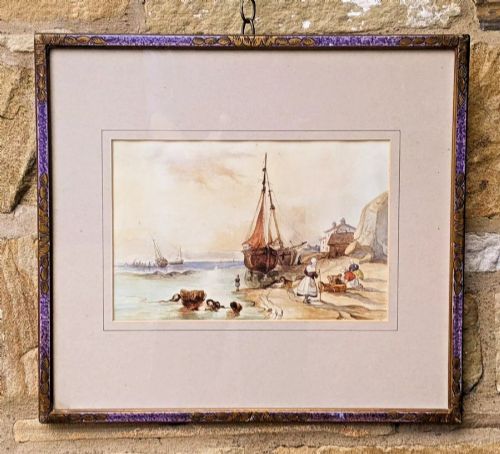
Nautical Watercolor Painting
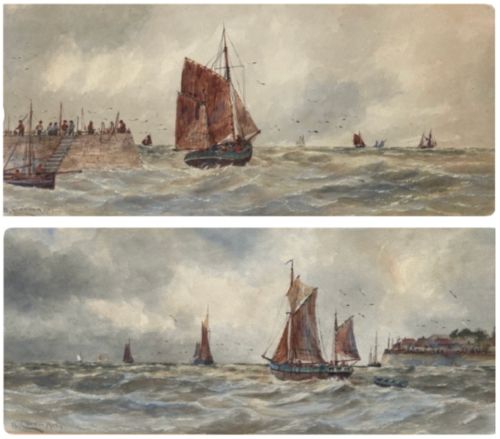
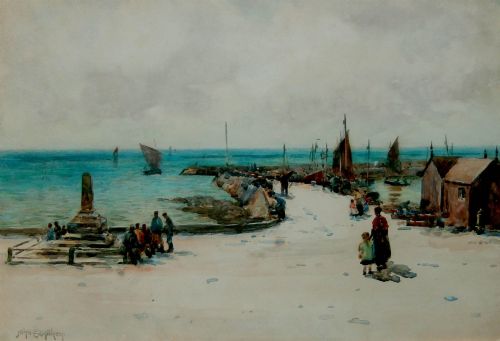
Nautical watercolor painting captures maritime life across the nineteenth and twentieth centuries through delicate washes on paper.
Nautical Watercolor Painting
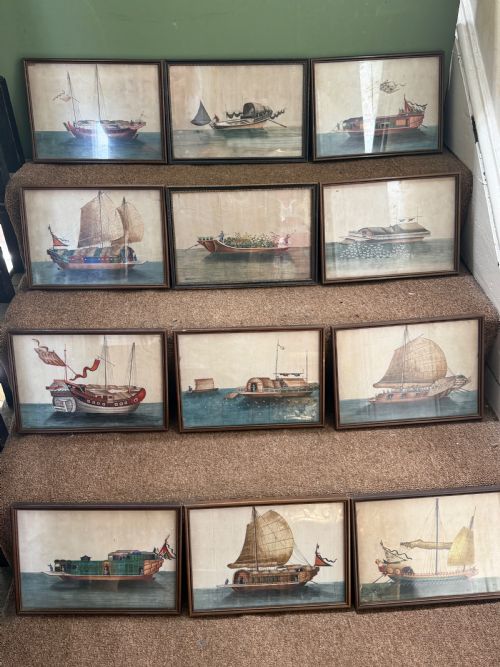
A nautical watercolor painting portrays ships, coastal harbours, and open seas executed on paper support. These works document maritime history, recording specific vessels, naval fleets, and coastal scenes from British and international waters.
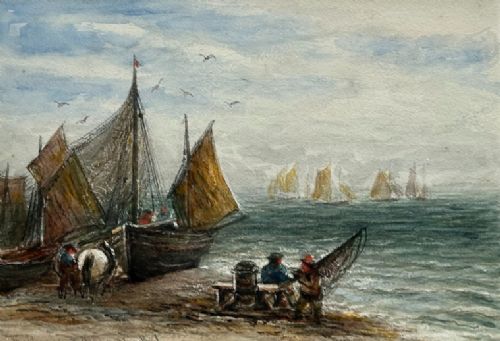
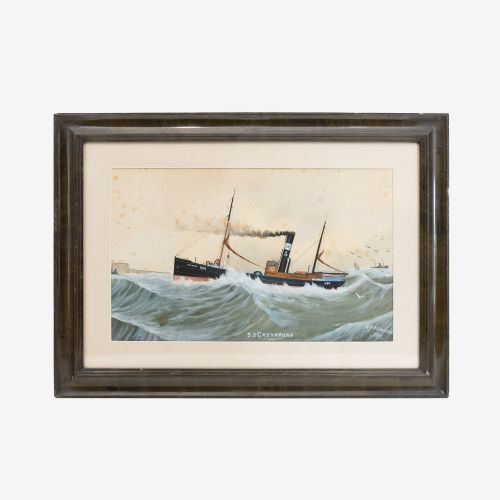
The selections available span from the Victorian period through to the mid-twentieth century. Common subjects include fishing boats, racing yachts, merchant shipping, and naval vessels under various atmospheric conditions.
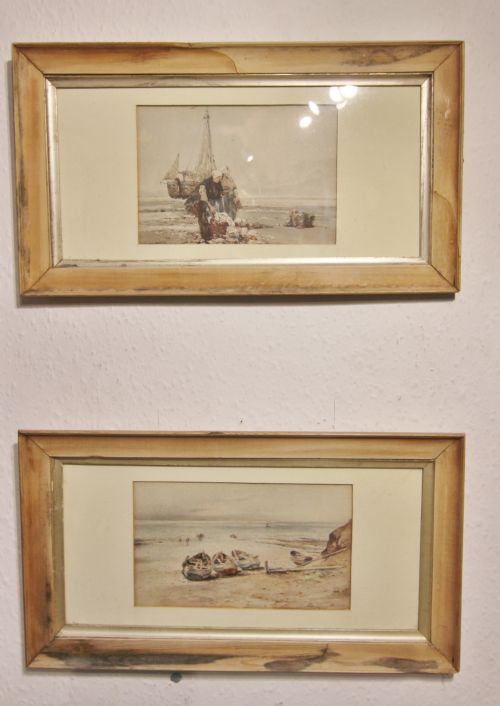
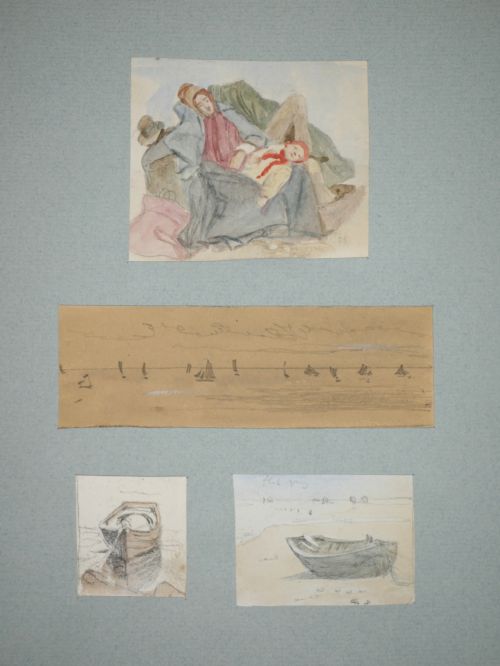
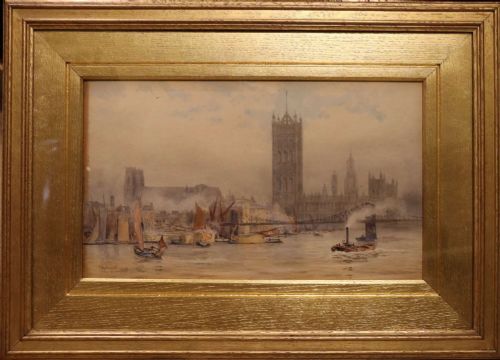
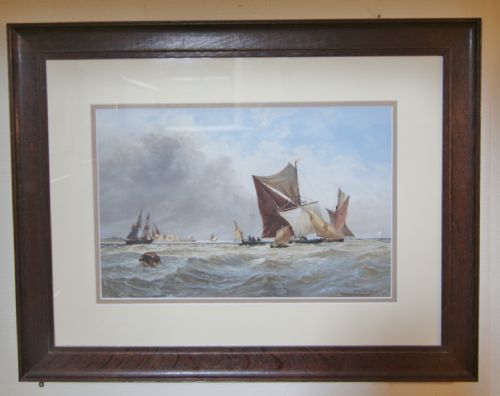
Framed works under glass predominate on this page, often preserved in period wood or gilt frames. Buyers encounter both intimate coastal sketches and detailed portrayals signed by established marine artists.
How They Were Made
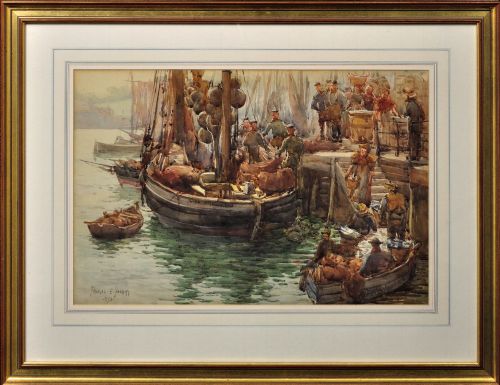
Artists applied watercolour pigment onto paper, sometimes combining gouache to achieve denser highlights on shipping sails and churning water. Transparent washes built up the luminous effects of sea and sky, while fine brushwork defined rigging and architectural details.
Finished watercolours were traditionally mounted behind glass within wooden frames, occasionally accented with gold leaf moulding to protect the fragile paper surface from atmospheric moisture and dust.
Nautical Watercolor Painting Retail Price Guide 2026
Typical asking prices for nautical watercolor painting among the pieces listed under this phrase on Sellingantiques today, from the lower quarter to the upper quarter. They describe what is for sale here now, not the wider market.
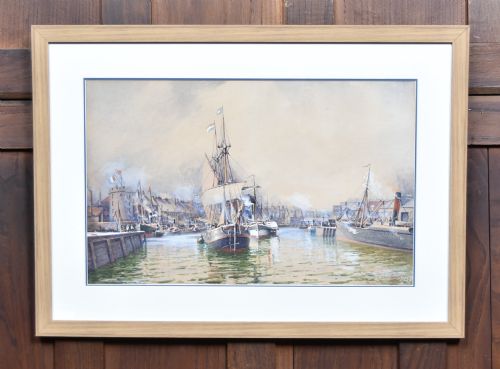
Listings feature works created on paper using watercolour and gouache, spanning the Victorian, Edwardian, and early twentieth-century periods.
What Varies in Quality
Quality rests upon the artist's command of light, atmospheric movement, and maritime architecture. Skilled hands render water texture and vessel rigging with conviction, whereas weaker examples rely on formulaic compositions and stiff draughtsmanship.
Condition significantly influences standing, particularly the presence of foxing, fading from sunlight exposure, and original framing integrity. Works that retain their vibrant pigment tones and crisp paper margins command greater appreciation.
GM Avondale·William Woolard·H Medlycott·James Orrock·William Cannon·James Smetham·John E Aitken·Frank William Scarbrough·Alexander Harwood·George Stanfield Walters·Richard Harry Carter·Vincenzo D Esposito·William Lee Hankey·Thomas Bush Hardy·Ernest Dade·Robert Leslie Howey·Fred Waugh·Samuel Owen·Leslie Rackham·Ernest F Hill·William Wyld
The Nautical Watercolor Painting Glossary
- Gouache
- An opaque watercolour paint that includes a white pigment filler, creating a heavier, solid finish compared to transparent washes. Artists utilised this medium to highlight foam and ship sails.
- Foxing
- Brown spots or patches on antique paper caused by chemical reactions over time. Careful conservation helps stabilise these age-related marks.
- Lugger
- A small two or three-masted fishing vessel rigged with lug sails. These boats appear frequently in nineteenth-century coastal art.
- Man-of-war
- A powerful armed sailing warship used by the Royal Navy from the sixteenth through the nineteenth century. Depictions of these vessels form a major category in marine art.
- Provenance
- The documented history of ownership surrounding an artwork. Clear records connect a piece to its creator and past collections.
Nautical Watercolor Painting: Frequently Asked Questions
What subjects appear most frequently?
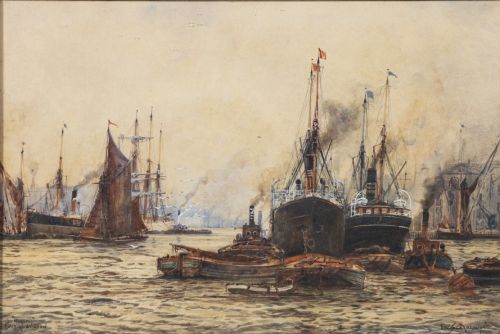
Paintings frequently depict British coastal scenes, bustling ports, and specific vessels ranging from fishing luggers to naval battleships. Harbour views from locations such as the Thames and Scarborough recur across the selection.
Artists also recorded international waters, foreign ports, and maritime landmarks like lighthouses. These subjects reflect both commercial shipping activity and recreational sailing during the Victorian and Edwardian eras.
How should these watercolours be framed?
Watercolours require framing behind glass with acid-free mount board to prevent the paper from touching the glazing. This protective barrier guards against humidity and airborne pollutants.
Period wood or gilt frames complement the traditional character of these works, provided the interior materials meet modern conservation standards to ensure long-term preservation.
How do I identify the period?
Stylistic clues, artist signatures, and framing materials help determine the date of execution. Victorian and Edwardian maritime works often display detailed rigging accuracy and specific clothing styles on figures.
Inscriptions on the reverse or contemporary documentation sometimes supply exact dates and vessel names. Comparing the paper type and pigment style with known examples further clarifies the era.
Where were these paintings created?
Many works originate from coastal towns and major shipping rivers across Britain, reflecting the nation's maritime heritage. Artists frequently worked on location at harbours in Yorkshire, Cornwall, and the Thames Estuary.
Other pieces record international scenes, including European ports and colonial waters visited by naval officers and travelling painters. This geographical spread mirrors the global reach of shipping during the nineteenth and early twentieth centuries.