


Nautical Seascape Canvas
A nautical seascape canvas captures the restless power of the open water through historic marine art.
Nautical Seascape Canvas
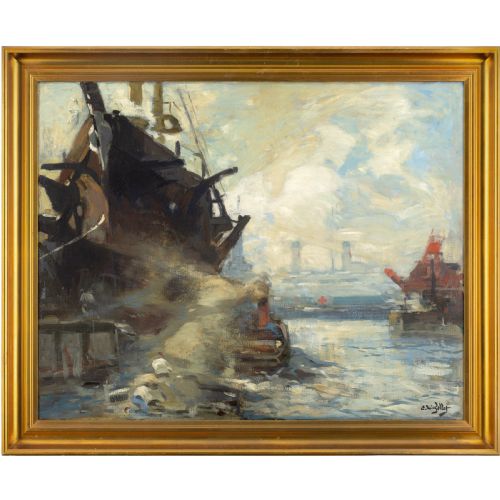
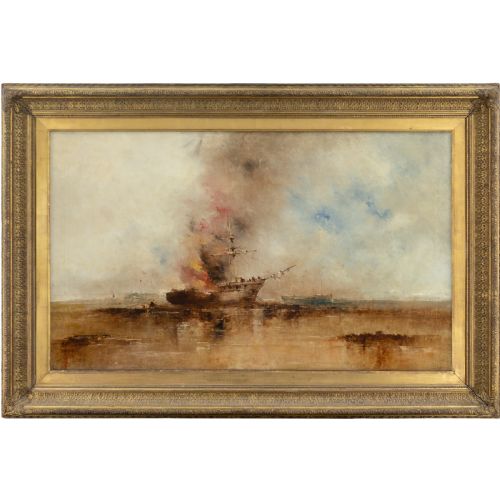
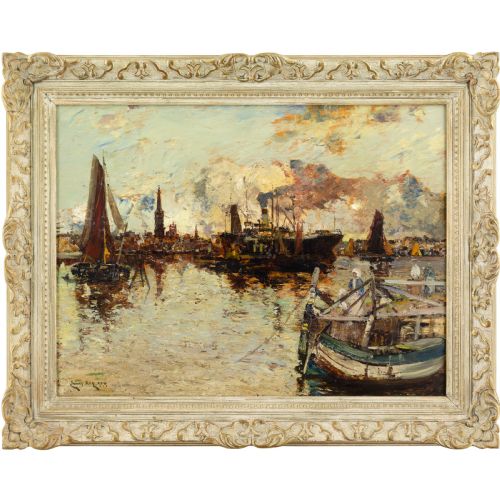
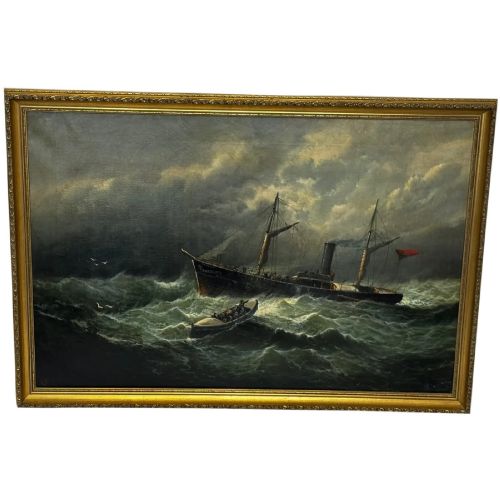
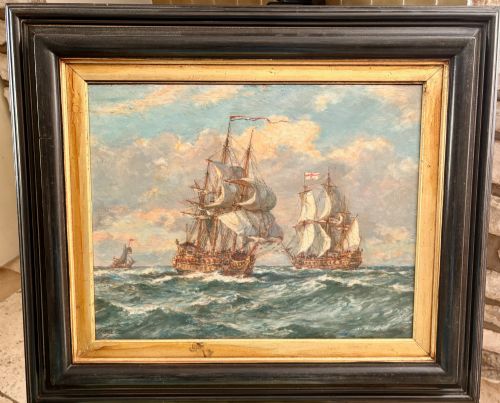
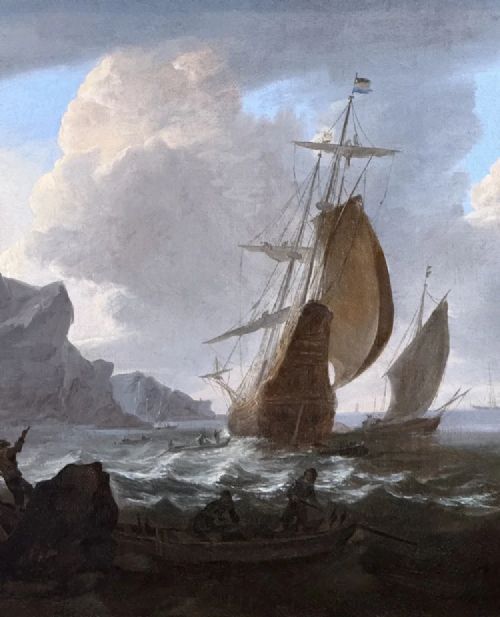
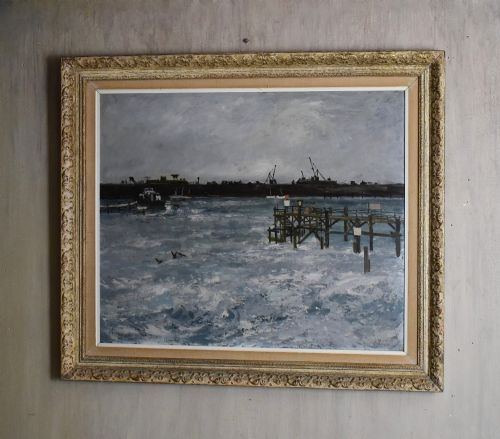
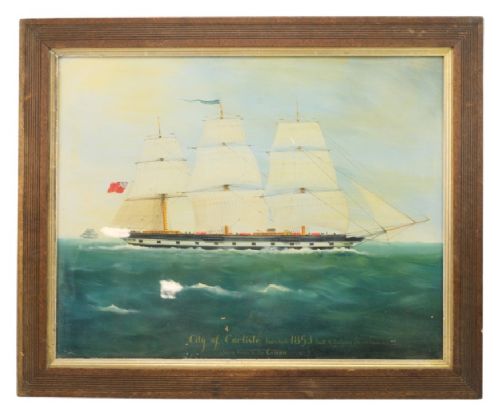
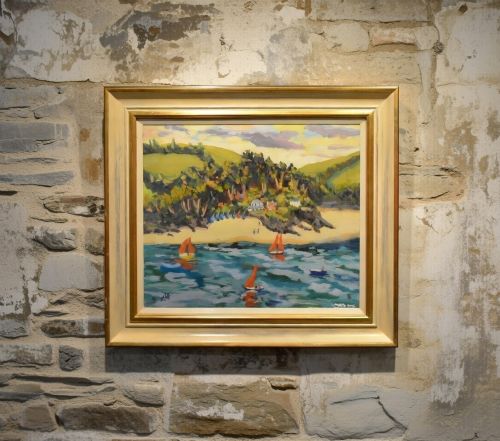
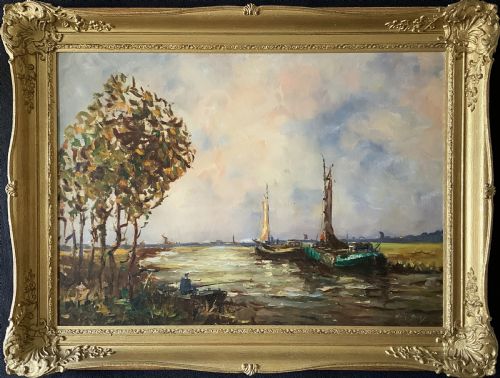
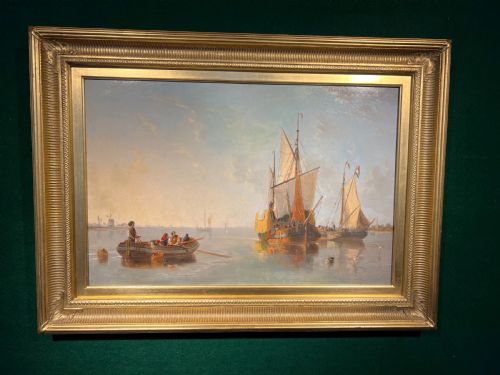
A nautical seascape canvas brings the historic maritime world into a room through oil paintings on stretched fabric. Buyers searching for a nautical seascape canvas encounter nineteenth-century coastal scenes, Edwardian shipping views, and mid-twentieth-century maritime studies.
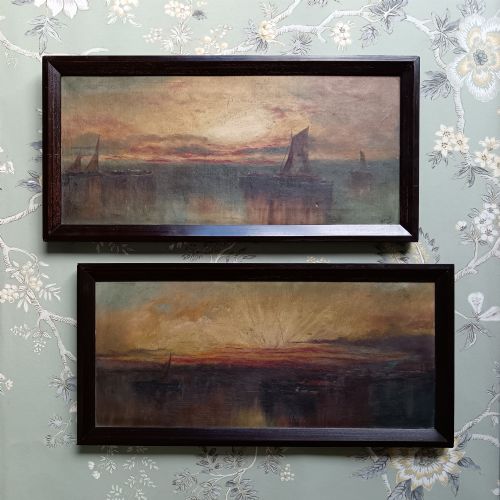
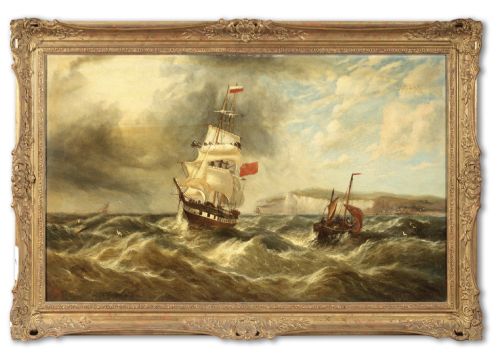
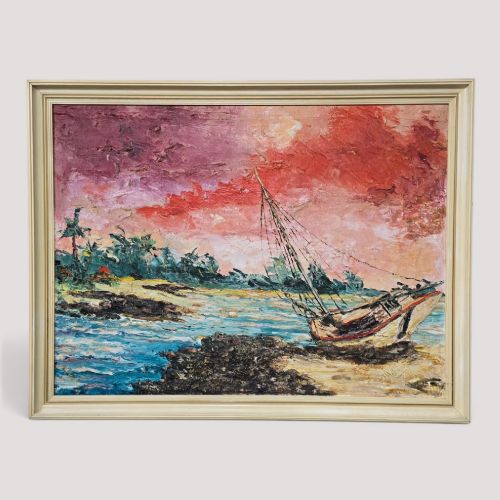
The subjects range from merchant vessels in rough seas and quiet harbour scenes to dramatic shipwrecks and peaceful coastal sunsets. Works span from the 17th century through the Victorian era up to the 1960s, framed in wood and gilt surrounds.
Materials and construction
Artists painted these works using oil paint applied to woven canvas substrates, sometimes stretched over wooden frames or boards. Many pieces feature textured impasto paint layers to render churning waves, wind-filled sails, and heavy sea spray.
Surviving works frequently retain their original or period-appropriate gilt wood frames, which complement the maritime subject matter. The combination of oil pigments and durable canvas allowed artists to capture the shifting light of coastal atmospheres.
Several canvases record fierce gales and dramatic shipwrecks, proving that artists preferred to paint when the weather was thoroughly miserable.
Judging the work
Quality rests in the artist's command of maritime rigging, vessel architecture, and the unruly movement of water. Skilled hands convey the weight of a three-masted schooner and the oppressive atmosphere of a gale with proportional accuracy.
The treatment of light across the sea surface and the integration of atmospheric haze separate accomplished marine art from ordinary regional painting. Superior framing also preserves the integrity of the canvas and enhances the visual depth of the scene.
Eugène-Louis Gillot·William McAlpine·John Rose Miles·James Kay·Bernard Gribble·Bonaventura Peeters·Peter Brannan·Willem Bos·John Wilson Carmichael·Lai Fong·Nicholas Condy·William Henry Williamson·Abraham Hulk I·Elisabeth Bardon·Charles Napier Hemy·Gustave De Bréanski·Daniel Sherrin·Edward Henry Eugene Fletcher·William Greaves·George Shaw·Charles Sim Mottram·Stephen J. Renard
The Nautical Seascape Canvas Glossary
- Impasto
- Paint applied thickly to a canvas so that it stands out from the surface. This technique lets artists render the physical texture of crashing waves and thick clouds.
- Gilt wood
- Wood carved and coated with gold leaf or a gold-coloured finish. These frames surround maritime canvases to provide a traditional decorative border.
- Maritime realism
- An art style focused on the accurate depiction of ships, oceans, and coastal environments. Practitioners prioritized precise details of naval architecture and weather conditions.
- Barque
- A sailing vessel with three or more masts. This specific rigging configuration appears frequently in nineteenth-century shipping canvases.
Nautical Seascape Canvas: Frequently Asked Questions
Where were these marine paintings typically displayed?
Historically, maritime paintings hung in the panelled rooms of shipowners, naval officers, and coastal merchants who felt a direct connection to the sea. They served as proud records of specific vessels, voyages, and dramatic maritime events.
Today, collectors place these canvases in studies, living rooms, and hallways where traditional oil paintings add historic depth to an interior.
How do I identify a Victorian marine painting?
Victorian marine paintings often feature detailed rigging on merchant ships, naval frigates, or fishing vessels battling turbulent coastal waters. The palettes tend to rely on deep greys, stormy blues, and dramatic sunset ambers.
Look for period framing materials such as heavy gilt wood and check for signatures or attribution plaques that link the canvas to nineteenth-century British and European schools.
What is the difference between a seascape and a harbour scene?
A seascape focuses primarily on the open ocean, coastal waves, and ships navigating deep waters away from the shelter of land. The emphasis rests on meteorological conditions and the raw power of the sea.
By contrast, a harbour or canal scene incorporates docks, piers, towns, and stationary shipping traffic. These compositions emphasise human activity and coastal architecture alongside the water.
How should I care for an oil on canvas painting?
Protect antique oil canvases by keeping them away from direct sunlight and fluctuating household humidity. Stable environmental conditions prevent the canvas fabric from sagging and the oil paint from cracking.
Dust the surface and the surrounding gilt wood frame gently with a dry, soft brush. Avoid using liquid cleaners or touching the painted surface directly.