


Nautical Marine Art
Nautical marine art captures centuries of maritime heritage through oil paintings, watercolours, and drawings depicting vessels, coastal harbours, and rolling seas.
Nautical Marine Art
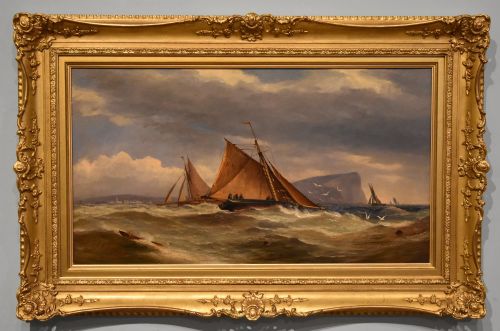
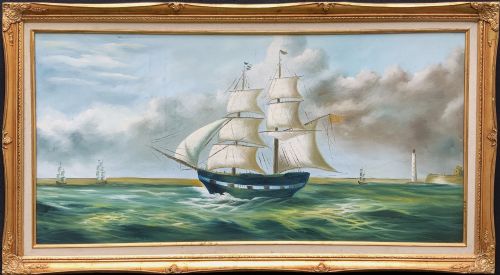
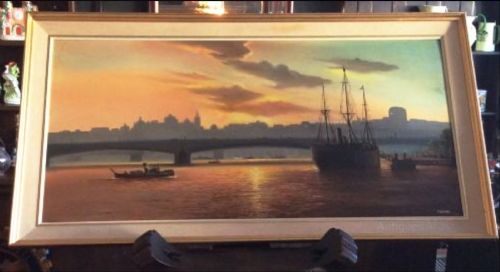
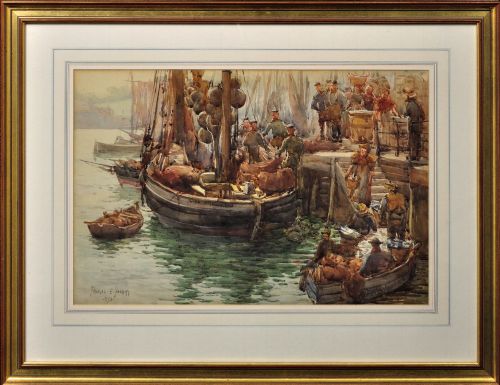
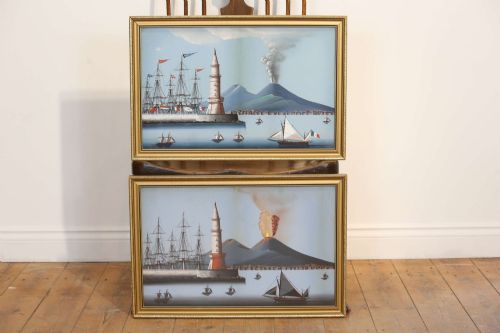
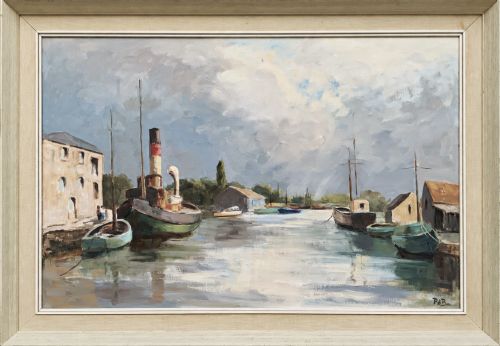
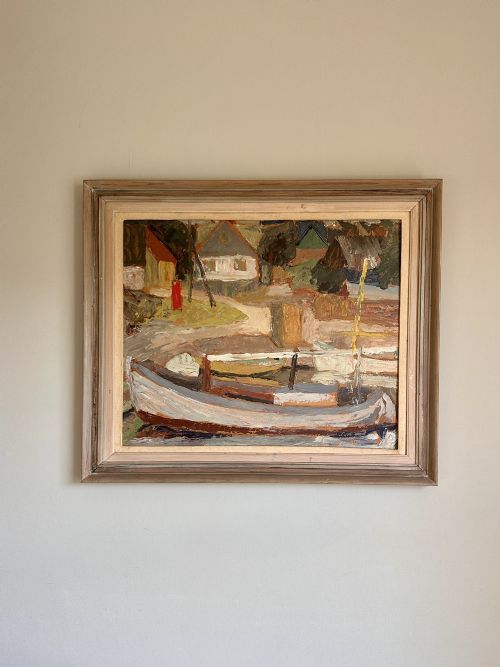
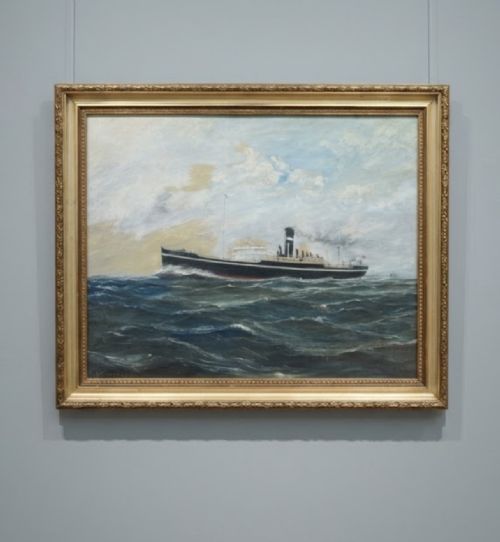
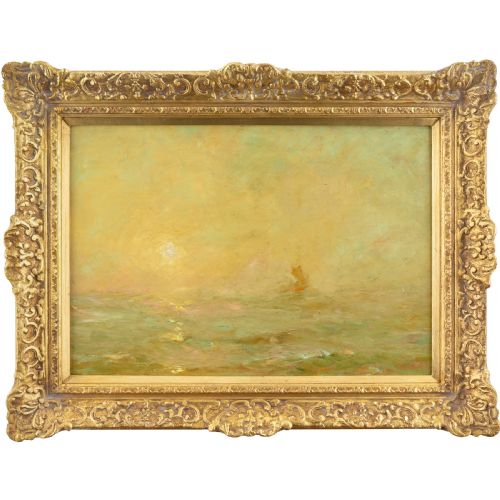
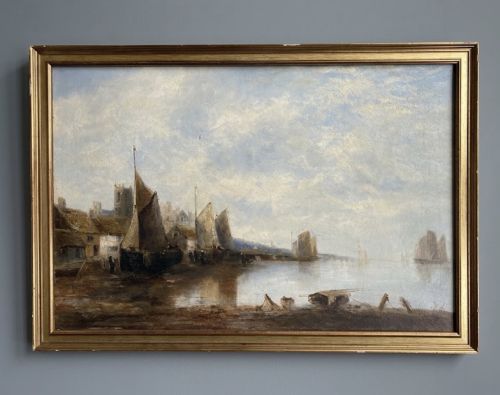
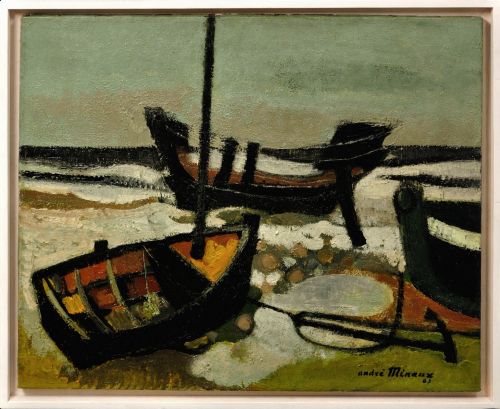
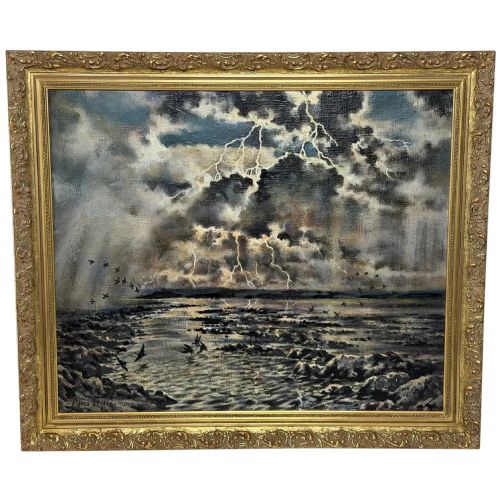
Buyers seeking nautical marine art encounter a diverse selection of oil paintings, watercolours, and works on paper spanning from the eighteenth century through to the mid-twentieth century. The material ranges from detailed depictions of named warships and merchant vessels to calmer coastal harbour scenes and dramatic storms at sea.
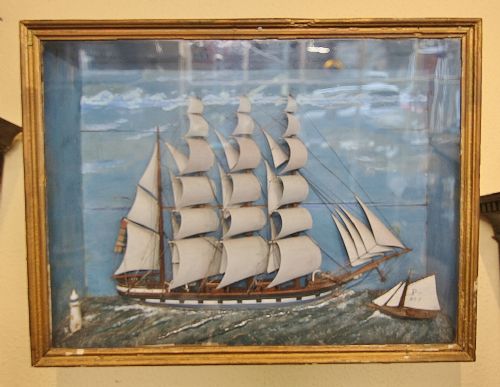
Nineteenth-century and Edwardian pieces dominate the selection, often showcasing British and Dutch coastal landscapes, village harbours, and historic maritime engagements. Alongside traditional framed canvas works, collectors also find folk art half model hull carvings and pencil signed etchings depicting river scenes and major ports.
Materials and technique
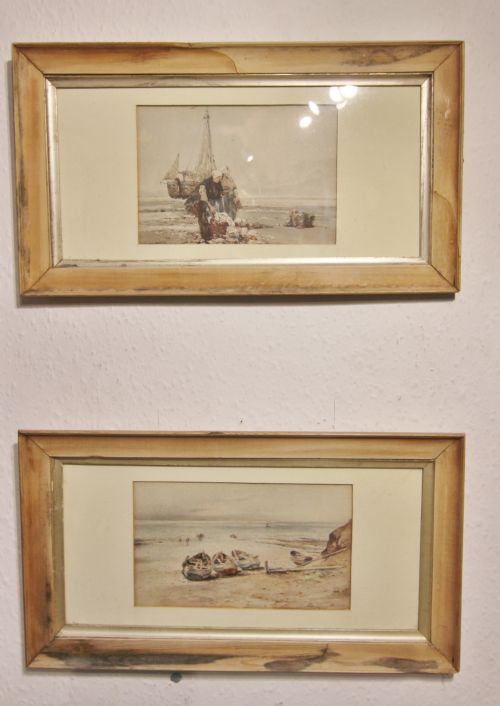
Artists working within nautical marine art primarily utilised oil paint on canvas or board, alongside delicate watercolours and gouache on paper. These mediums allowed painters to capture the translucent quality of water, the shifting light of coastal skies, and the intricate rigging of sailing ships.
Surviving pieces frequently feature traditional wooden framing, sometimes complemented by gilt details. Certain works incorporate mixed media or pen and ink detailing, particularly within preparatory marine sketches and detailed architectural ship portraits.
Nautical Marine Art Retail Price Guide 2026
Typical asking prices for nautical marine art among the pieces listed under this phrase on Sellingantiques today, from the lower quarter to the upper quarter. They describe what is for sale here now, not the wider market.
Listings feature works created using oil on canvas, watercolour, gouache, and wood across the nineteenth and twentieth centuries.
Distinctions in quality
Quality in nautical marine art rests upon the artist's command of maritime atmosphere, anatomical accuracy of the vessels, and the structural integrity of the medium. Works by established painters display precise handling of rigging, water movement, and light, whereas lesser examples rely on generic compositions and stiff brushwork.
The sophistication of the palette and the preservation of the canvas or paper surface heavily influence the standing of a piece. Original framing, clear artist signatures, and documented historical context further elevate the standing of works originating from recognised periods.
William Ayerst Ingram·Nicolaas Martinus Wijdoogen·William Lionel Wyllie·John Wilson Carmichael·TB Hardy
The Nautical Marine Art Glossary
- Gouache
- An opaque water-based paint that dries to a matte finish, frequently utilised in marine works for vibrant highlights on water and sails.
- Half model
- A three-dimensional wooden hull representation mounted on a backing board, historically used for ship design or folk art display.
- Etching
- A printmaking technique where lines are bitten into a metal plate with acid before being inked and pressed onto paper.
- Seascape
- A work of fine art depicting the sea, coastal views, or marine vessels operating in open water.
- Provenance
- The documented history of ownership or origin surrounding an antique painting or work of art.
Nautical Marine Art: Frequently Asked Questions
What periods do these pieces date from?
The selection spans primarily from the eighteenth century through the nineteenth and twentieth centuries, incorporating Victorian, Edwardian, and mid-century modern examples.
Most items originate from the 1800s and early 1900s, reflecting periods of significant maritime trade and naval history.
How should I display marine art?
These framed paintings and works on paper suit traditional study spaces, living rooms, and hallways with controlled ambient lighting.
Keep pieces away from direct sunlight and excessive moisture to protect delicate watercolours and oil surfaces.
Are these works signed by the artists?
Many pieces feature visible signatures, monograms, or inscriptions detailing the vessel name, location, or creator.
Attributions are also common where a work is linked to a specific painter or historic school through style and technique.
What subjects are most common?
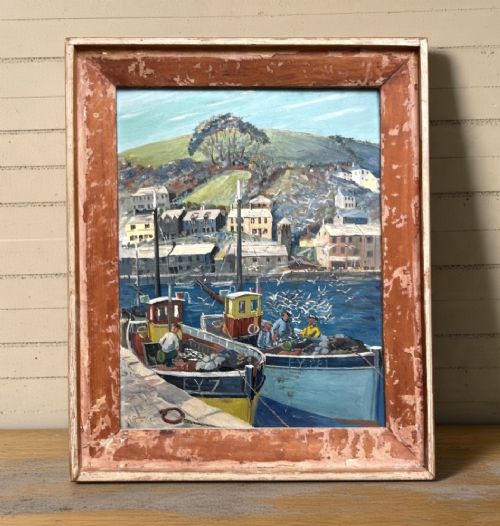
Common subjects include sailing ships in stormy seas, merchant vessels in harbour, coastal landscapes, and specific historical ships.
Artists frequently documented working fishing boats, naval engagements, and busy river scenes like the Thames or foreign ports.