


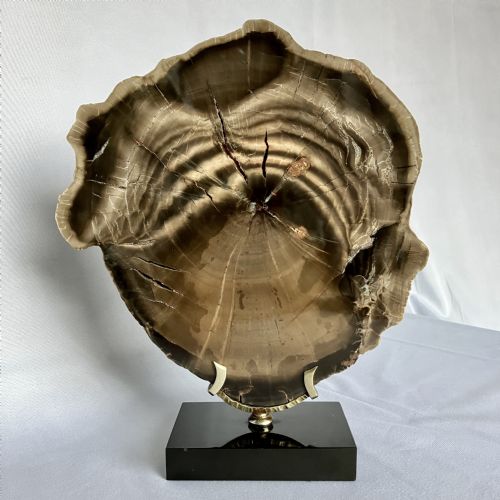
Natural Wood Display Cabinet
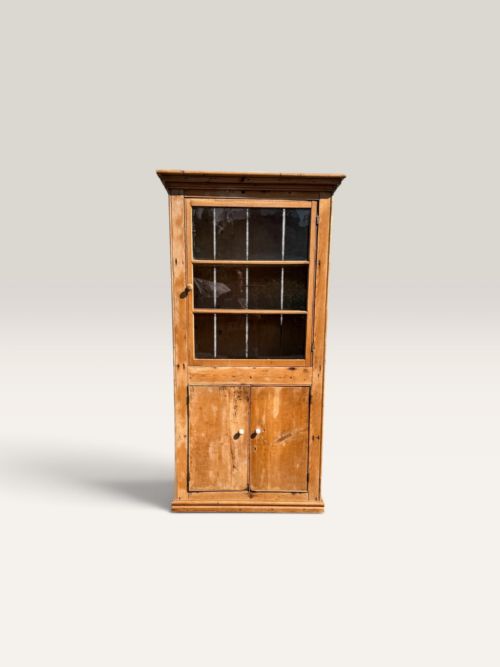
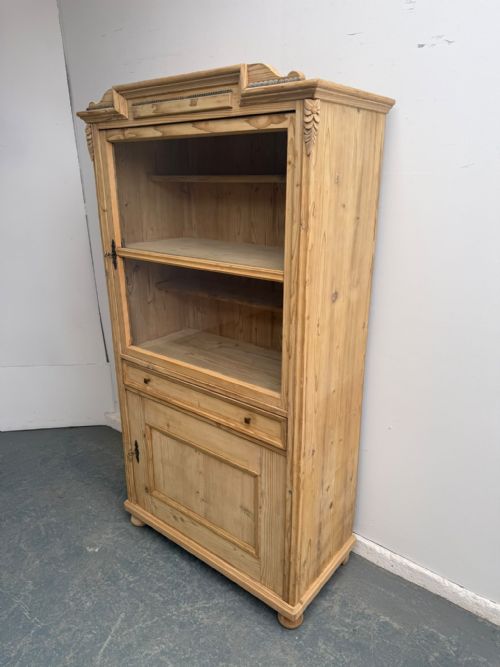
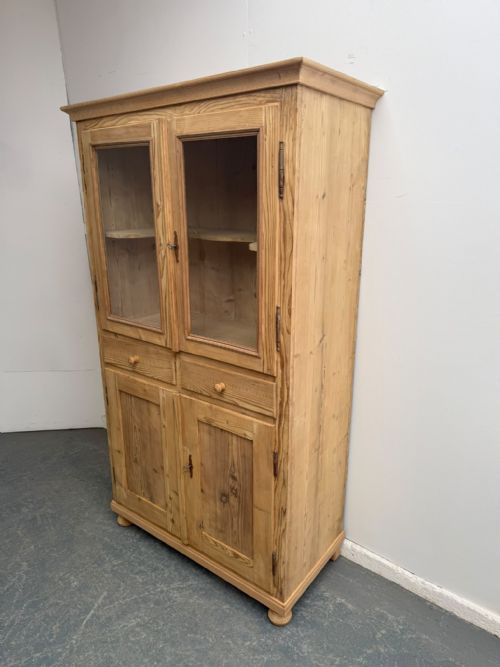
A natural wood display cabinet houses specimens and curiosities within timber framing, offering a traditional centrepiece for any collection.
Natural Wood Display Cabinet
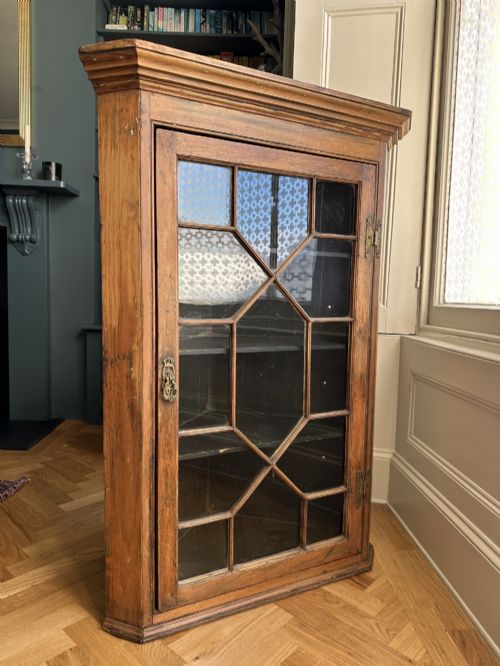
When you search for a natural wood display cabinet, you encounter nineteenth-century pine cupboards, glazed bookcases, and specialised specimen storage units. These pieces range from Victorian country pine furniture to formal George III Chippendale bookcases and French armoires.
The pine and hardwood structures provide sturdy housing for books, ceramics, and natural history specimens behind glass doors. Many examples feature stripped pine finishes, original painted interiors, or waxed timber surfaces typical of provincial and domestic settings.
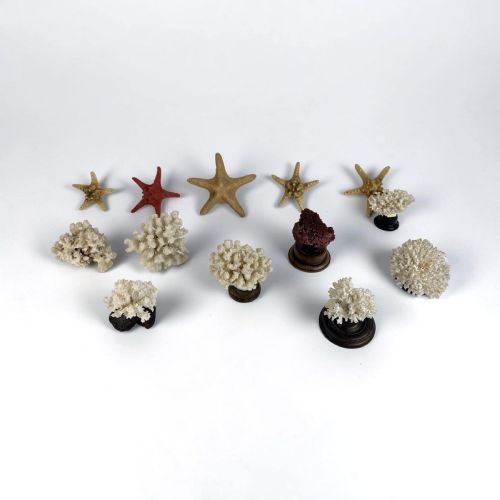
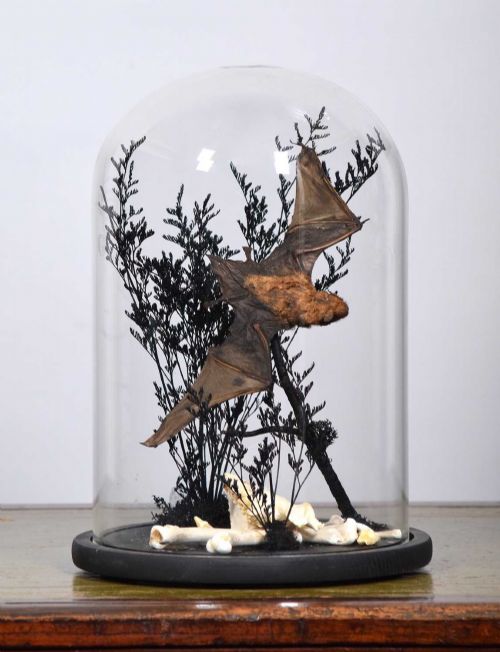
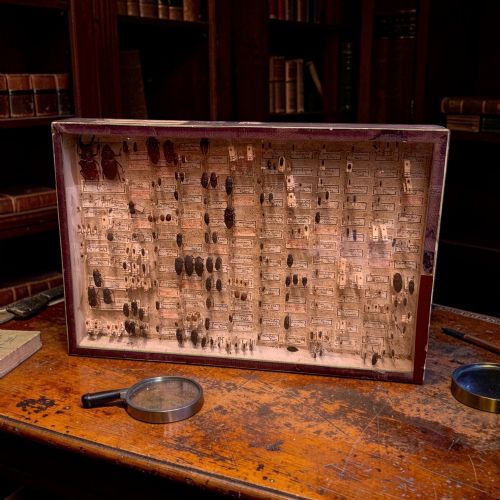
Collectors also find tall professor's domes and specialised drawer cabinets designed for entomology, coral, or taxidermy. These functional pieces combine visible timber construction with glass protection to showcase eclectic objects.
Materials and Construction
Makers built these cabinets using solid woods like pine, mahogany, and ebonised timber, often incorporating brass hardware and bone escutcheons. Glass panes are set into wooden doors to protect the contents while maintaining visibility.
Joinery methods include panelled doors, multi-drawer configurations, and glazed framing designed to withstand heavy domestic or institutional use. Surfaces are finished with wax, paint, or polished treatments that highlight the natural grain of the wood.
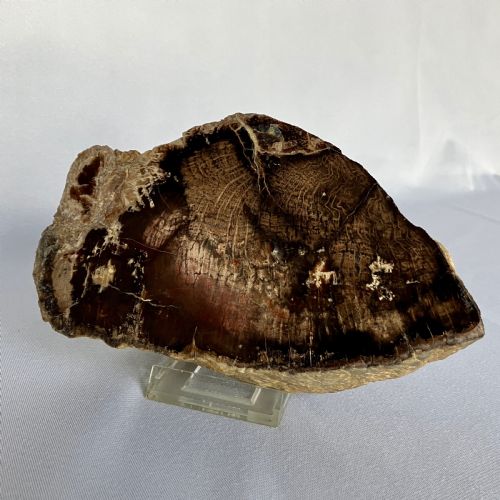
Count Raggi’s Bird of Paradise shares shelf space with fossilised wood millions of years old.
Distinctions in Quality
Quality rests in the integrity of the timber, the clarity of the original glass, and the precision of the joinery across doors and drawers. Superior pieces retain their original painted interiors, brass fittings, and untouched wooden surfaces without modern alterations.
The refinement of the proportions and the complexity of the cabinetwork - ranging from simple rustic farmhouse cupboards to detailed Chippendale bookcases - dictate the standing of each piece.
Henry Ward London·James Gardner
The Natural Wood Display Cabinet Glossary
- Pine
- A softwood commonly used for nineteenth-century country furniture and display cabinets. It takes wax or paint finishes readily.
- Glazed door
- A timber frame fitted with glass panes to allow inspection of the contents. This protects fragile specimens from dust.
- Specimen cabinet
- A multi-drawer unit built to organise natural history items such as shells, fossils, or insects. These often feature shallow drawers with glass tops or pull handles.
- Taxidermy dome
- A glass cover mounted on a base to enclose mounted birds or mammals. It preserves biological specimens while displaying them from all angles.
- Escutcheon
- A protective plate surrounding a keyhole, frequently made from brass or bone on older cabinetry. It reinforces the wood around the lock.
Natural Wood Display Cabinet: Frequently Asked Questions
What fits inside a natural wood display cabinet?
These cabinets suit books, ceramics, fossils, and taxidermy specimens. The interior shelving and drawer depths accommodate varied collections.
Larger bookcases hold volumes and larger objects, while multi-drawer specimen cases organise smaller items safely.
How do I care for antique pine furniture?
Antique pine benefits from application of traditional beeswax to nourish the dry wood. Avoid placing cabinets in direct sunlight or near heat sources.
Maintain stable indoor humidity to prevent timber warping or cracking over time.
Are the glass doors original?
Many nineteenth-century cabinets retain their original glass panes, which often show minor bubbles or irregularities. Inspecting the putty and timber rebate reveals replacement history.
Original glass adds character and historical value to display cases.
Where were these cabinets used originally?
Provincial pine cupboards served in domestic kitchens, parlours, and country houses for storage and display. Institutional specimen cabinets stood in studies and museums.
Their robust construction allowed them to function in both working and domestic spaces.