
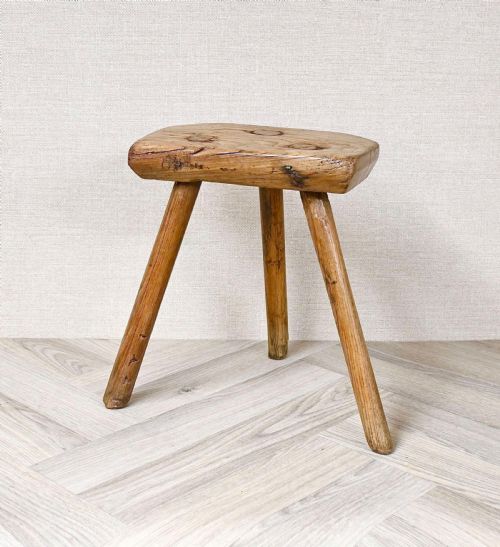


Natural Timber Stool
A natural timber stool brings honest utility and organic grain into a room, offering sturdy seating with genuine age.
Natural Timber Stool
A natural timber stool is a functional seat shaped from unpainted wood, often retaining its raw grain and organic form. When you search for a natural timber stool, you encounter pieces designed for daily work rather than formal display.
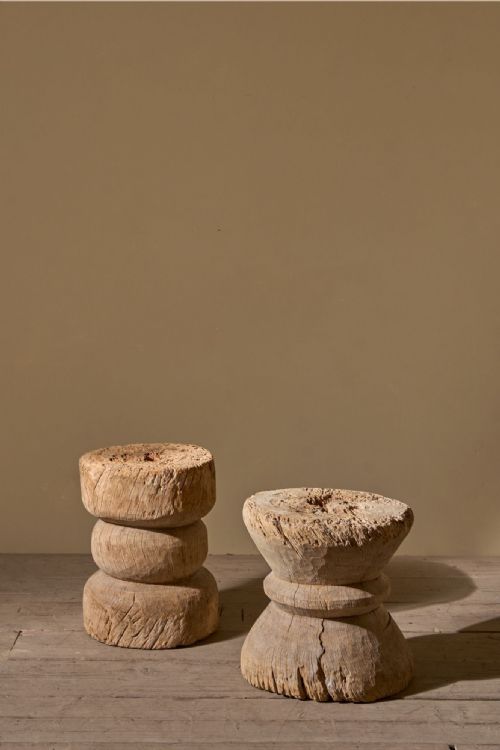
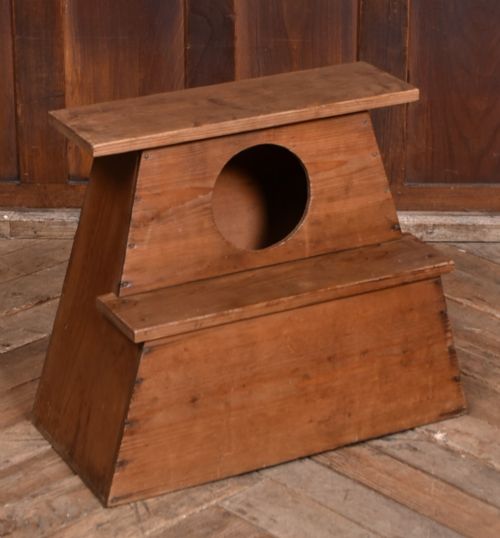
The selections span utilitarian forms from milking stools to cobbler's work seats and rustic side tables. Many examples originate from the nineteenth century, reflecting vernacular making traditions across European and Japanese contexts.
Makers shaped these objects from solid woods like oak, pine, and cedar, frequently keeping the natural edge or root structure intact. They served practical roles in kitchens, workshops, and pastoral settings before entering domestic interiors as decorative seats.
Materials and construction methods
Carpenters constructed these seats using solid timber, selecting durable woods such as oak, pine, and beech for daily endurance. They utilised heavy slabs and thick branches, keeping the natural grain visible without heavy veneer or synthetic finishes.
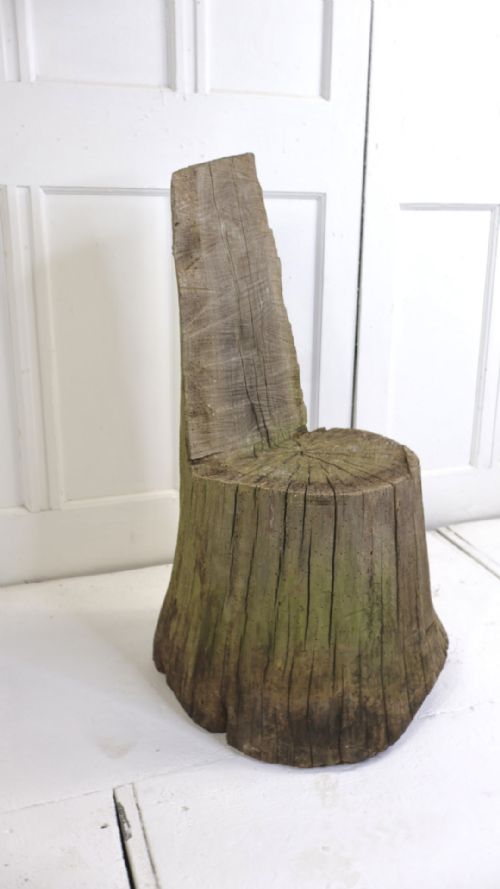
Joinery remained straightforward and robust, relying on pegged joints, wedged tenons, and direct leg insertion into thick seats. Makers adapted the form of the timber directly, turning tree sections and root wood into stable pedestals.
Some wooden seats retain the exact hollow shape worn into the grain by nineteenth-century workers sitting for hours.
Markers of distinction in timber seating
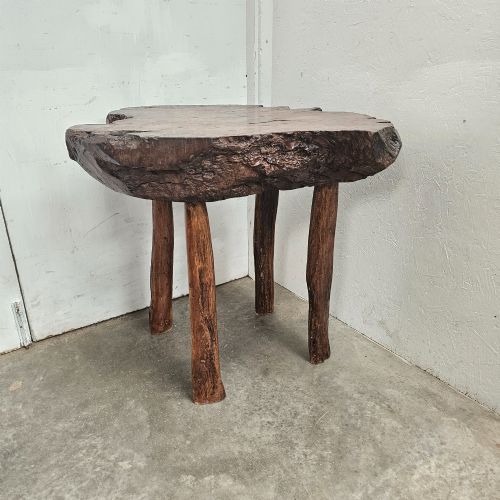
Quality rests in the integrity of the original construction and the character of the wood surface. Pieces shaped directly from natural burls or root sections exhibit sculptural presence that distinguishes them from simpler workshop seating.
Wear patterns earned through decades of genuine labour elevate a piece beyond standard utilitarian output. The retention of unpainted surfaces and honest peg construction dictates the desirability of each surviving example.
The Natural Timber Stool Glossary
- Vernacular
- Everyday objects built by local craftspeople for practical use rather than academic design. These pieces prioritize function and local materials.
- Milking stool
- A small, three-legged seat designed for milkmaids to sit close to the animal. The tripod base remains stable on uneven barn floors.
- Primitive
- Unrefined historical furniture created with basic tools and direct methods. This style values sturdy construction over decorative polish.
- Burr
- A growth on a tree that produces swirling, distorted grain patterns when sliced. Cabinet-makers prize this wood for its rich visual texture.
Natural Timber Stool: Frequently Asked Questions
How were these stools originally used?
These pieces served specific jobs in dairies, workshops, and rural homes where workers sat for hours. Milking stools, cobbler's seats, and vendor stools were built strictly around the demands of daily labour.
Over time, their sturdy builds and honest utility transitioned them from functional workshop equipment into everyday seating and occasional tables within domestic spaces.
How do I care for antique wood furniture?
Maintain the timber by keeping pieces away from direct heat sources and sudden temperature shifts that can dry out the old grain. Dust gently with a dry cloth and avoid modern chemical polishes.
Applying a traditional beeswax occasionally helps nourish dry historical wood while preserving the natural matte surface built up over generations.
Are these seats comfortable for daily sitting?
Many of these pieces feature saddle-shaped or heavily dished wooden seats carved to fit the human body over long hours of work. While lacking upholstery, their ergonomic shaping provides surprisingly supportive seating.
They work best as occasional seats, footstools, or side tables rather than primary lounging chairs for extended relaxation.
How can I tell the age of a primitive stool?
Dating relies on observing tool marks, the type of joinery, and the natural wear accumulated on the timber surface over centuries. Hand-augered holes and iron fasteners indicate older manufacturing methods.
The distinct patination on the wood tells the story of its age and the countless hours of human interaction it has endured.