


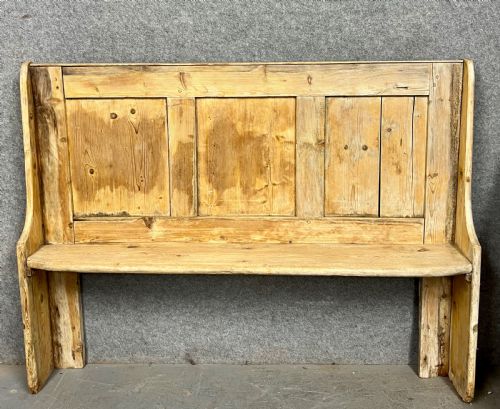


Natural Pine Benches
Natural pine benches are honest utilitarian seating, built from solid timber to serve hardworking domestic, commercial and institutional spaces.
Natural Pine Benches
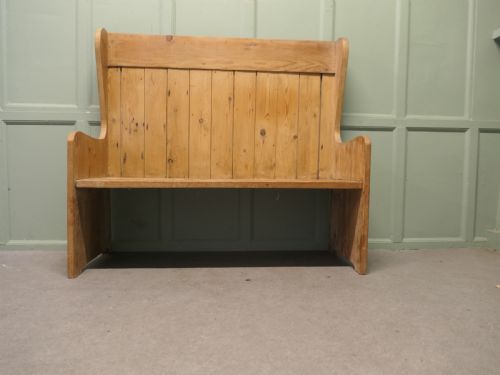
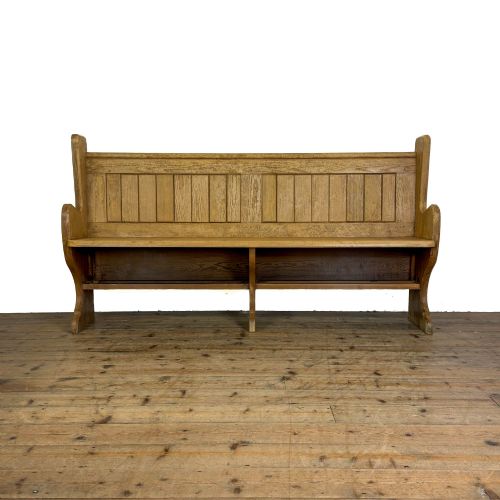
Natural pine benches appear across multiple domestic and communal forms, spanning high back settles, church and chapel pews, school benches, and robust workbenches from the nineteenth century. These seats emerge from various regional traditions including English, Scandinavian, and French country houses, pubs, and workshops.
The most common examples you will encounter are simple long dining benches and high back settles designed for fireside warmth in rustic farmhouses. School benches and chapel pews also frequently appear, offering long proportions and straightforward construction.
Makers utilised resilient softwood timbers like pitch pine alongside sycamore and iron hardware to build seating that could endure heavy daily use. Pieces range from primitive George III examples down to early twentieth century pub benches.
Materials and Construction
Makers constructed these benches primarily from solid pine and pitch pine timber, frequently reinforced with cast iron brackets, stretchers, or original painted finishes. Joinery relied on sturdy pegged mortise and tenon joints designed to withstand heavy weight and constant movement.
Surfaces often show the marks of hand planning and scrubbed finishes developed through decades of practical use and cleaning. Iron fittings and hinges provide structural support while maintaining the utilitarian aesthetic of the piece.
The listings show nineteenth century pine benches originating from English, French, and Scandinavian country traditions.
Evaluating Quality and Character
Quality in these benches rests on the integrity of the original timber and the honesty of the surface patina accumulated over generations of use. Superior pieces retain their original proportions, structural stability, and unpainted or naturally scrubbed grain without excessive modern timber replacement.
The sophistication of the form distinguishes a standard utility bench from a finer vernacular item, such as an early high back settle or a boarded pew with shaped arms. Subtle details in the thickness of the seat boards and the rhythm of the supporting legs separate utilitarian workshop survivors from domestic furniture.
The Natural Pine Benches Glossary
- Settle
- A wooden bench with a high back, solid arms, and often a storage box beneath the seat, designed to keep out draughts in fireside settings.
- Pew
- A long wooden bench with a back, traditionally found in churches, chapels, and schools for communal seating.
- Pitch Pine
- A dense, resinous softwood timber prized for its durability and prominent grain pattern, often utilised in heavy-duty institutional benches.
- Scrubs
- Tables and benches cleaned intensively with water and scrubbing brushes, leaving a pale, weathered timber surface.
- Vernacular
- Furniture built by local craftsmen using regional styles and readily available materials rather than following formal academic design rules.
Natural Pine Benches: Frequently Asked Questions
Where were pine benches originally used?
These benches served practical roles in farmhouses, country pubs, workshops, schools, and places of worship.
They were positioned by firesides, along dining tables, or in hallways to provide sturdy communal seating.
How do I care for a natural pine bench?
Clean the surface gently with a dry or barely damp cloth to preserve the historic patina and dry timber finish.
Avoid excessive moisture and direct heat sources that might cause the old softwood to split or warp.
How can I tell the period of a pine bench?
Examine the tool marks, joinery techniques, and the type of fixings used in the construction of the frame and seat.
Earlier examples often display hand-planed boards and pegged joints, whereas later nineteenth and early twentieth century pieces incorporate machine-cut timber and iron brackets.
Are these benches suitable for daily dining use?
Many of these long benches and settles offer sturdy proportions well suited for placement alongside dining tables.
Check the seat height and length against your table to ensure comfortable legroom and proportions.