


Natural Opal Jewellery
Natural opal jewellery brings together shimmering play-of-colour stones and precious metals in Victorian, Edwardian, and mid-century designs that catch the eye instantly.
Natural Opal Jewellery
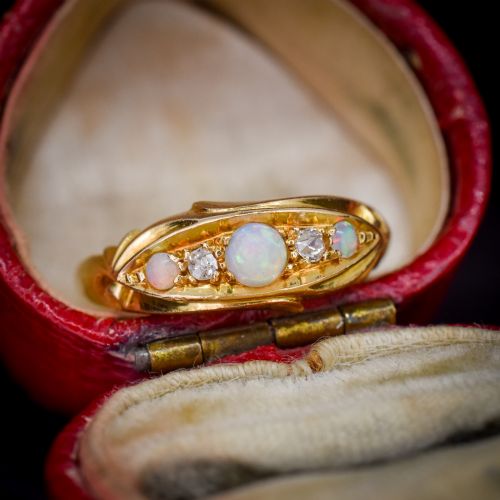
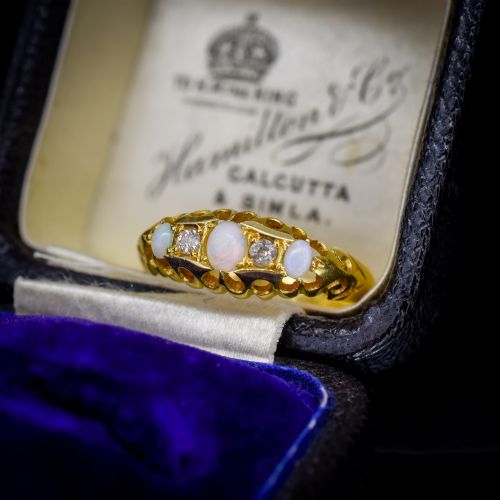
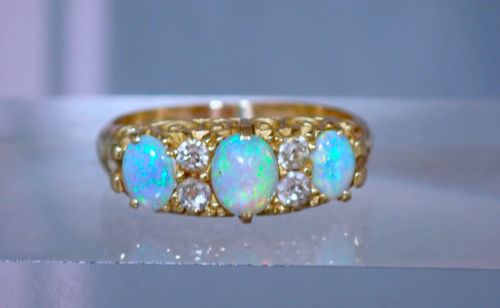
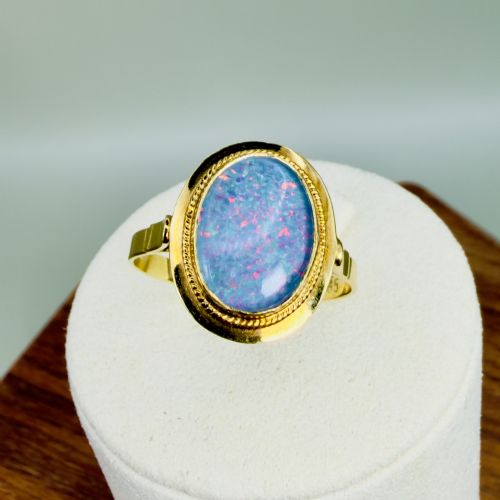
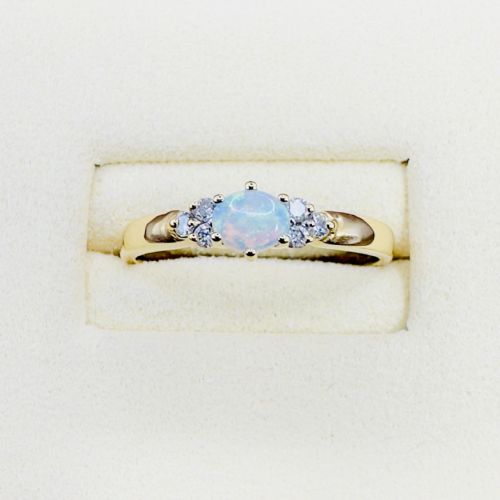
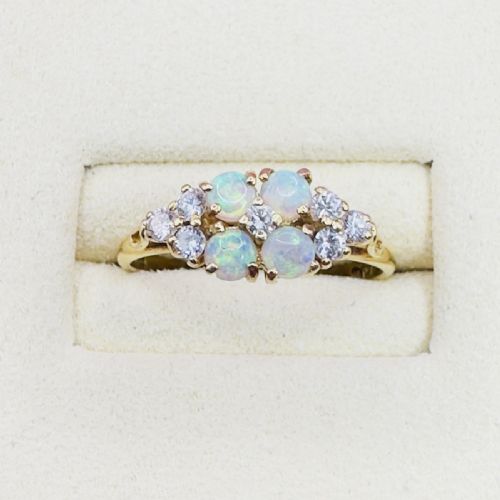
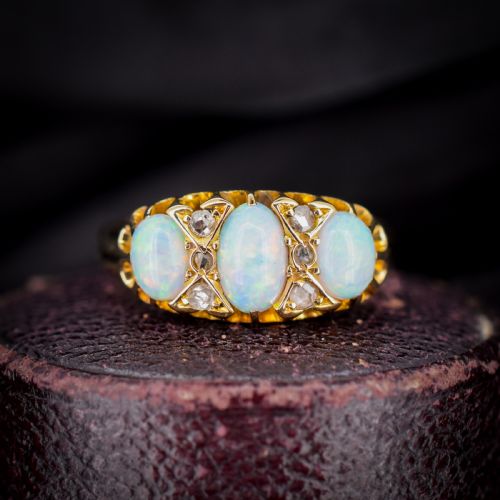
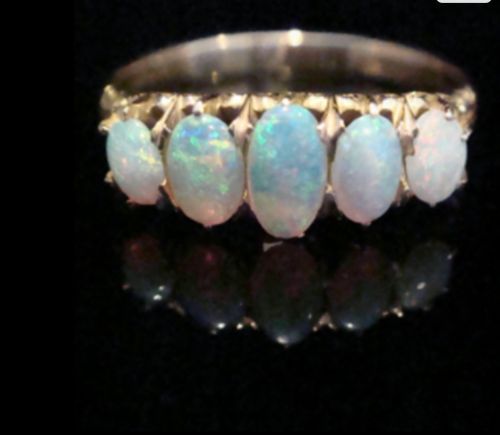
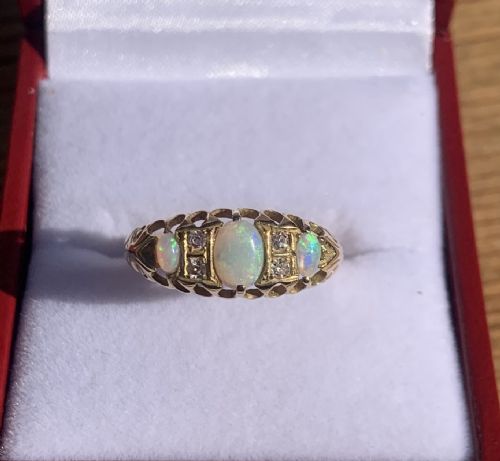
Rings form a substantial portion of the available items, featuring boat shapes, cluster settings, and traditional multi-stone arrangements. Buyers will frequently encounter classic boat rings alongside diamond-accented dress rings and solitaire designs.
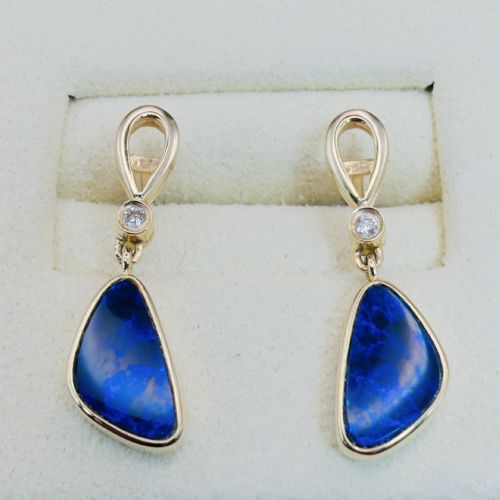
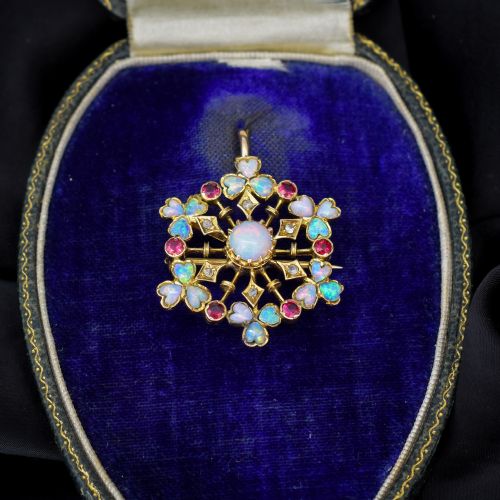
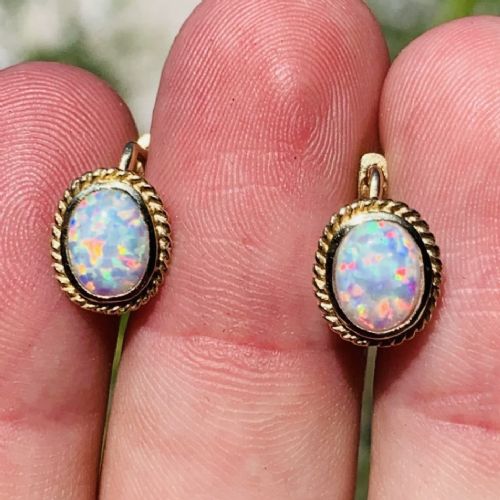
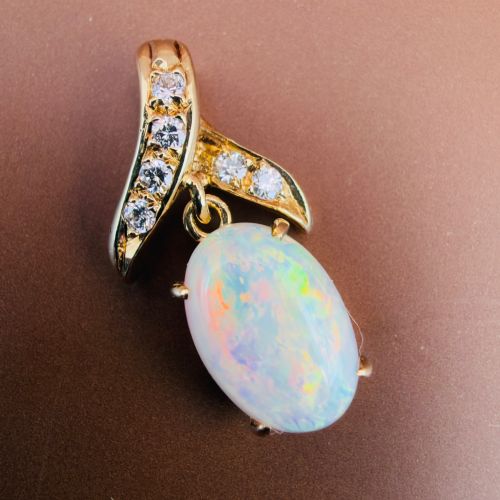
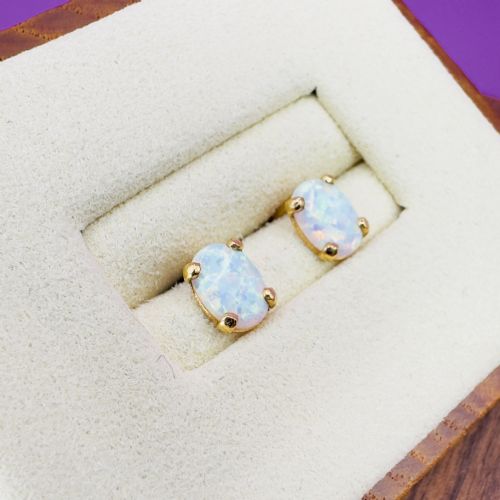
Pendants, earrings, and bracelets complete the inventory, often combining cabochon opals with diamonds, rubies, pearls, or yellow and rose gold. These pieces demonstrate how makers integrated the stone into everyday wear across different historical eras.
Materials and construction methods
The metals utilised across these pieces include 18ct gold, 14ct yellow gold, 9ct gold, and platinum, providing secure settings for delicate gems. Goldsmiths shaped these precious metals into intricate claw settings, bezel mounts, and detailed gallery work.
Opals are primarily shaped as cabochons or oval cuts to highlight their internal play-of-colour, often paired with old cut diamonds, seed pearls, or rubies. Gemstones are securely mounted into solid gold or platinum structures designed to protect the softer opal material while maximising light exposure.
Listings feature items spanning the Victorian era, Edwardian period, and mid-twentieth century up to the 1960s, worked in 9ct, 14ct, and 18ct gold.
Elements of quality and distinction
Quality rests upon the optical dynamism of the opal itself, specifically the intensity and breadth of its colour play across the stone's surface. Stones with vibrant, shifting hues set within well-preserved precious metal mounts stand apart from simpler or more muted examples.
The standard of surrounding gemstones, such as matched diamonds or natural pearls, contributes significantly to a piece's overall standing. Finer items exhibit precise stone cutting, secure setting work, and hallmarks that verify the metal purity and origin of manufacture.
The Natural Opal Jewellery Glossary
- Cabochon
- A gemstone shaped and polished with a smooth, rounded surface rather than faceted. This style is standard for opals because it displays the play-of-colour most effectively.
- Boat ring
- A ring setting shaped like a traditional boat hull that tapers towards the ends. This design was particularly favoured during the Edwardian and late Victorian periods.
- Play-of-colour
- The optical phenomenon where an opal exhibits flashes of shifting spectral hues when moved under light. It is caused by the interference and diffraction of light within the microscopic silica spheres of the stone.
- Trilogy ring
- A ring featuring three primary gemstones set in a row, often symbolising the past, present, and future. These frequently pair an opal centre stone with diamond side stones.
- Solid opal
- An opal cut from a single piece of natural rough material, distinct from doublets or triplets. These stones consist entirely of natural opal throughout.
Natural Opal Jewellery: Frequently Asked Questions
How should I care for natural opal jewellery?
Opals contain water within their structure and possess a lower hardness than diamonds, requiring gentle handling. Avoid harsh chemical cleaners, ultrasonic baths, and sudden temperature extremes.
Store pieces separately from harder gems to prevent scratching the surface of the opal. Regular, careful cleaning with a soft, damp cloth helps maintain the polished appearance.
How can I tell a Victorian opal piece apart from a 1950s one?
Victorian and Edwardian pieces often incorporate handcrafted details such as rose gold, seed pearls, and old cut diamonds in boat or cluster configurations. Hallmarks and assay office marks stamped on the metal provide definitive date indicators.
Mid-century items from the 1950s and 1960s frequently utilise 14ct or 18ct yellow gold with bolder boulder opals or clean modernist lines. The overall weight and mounting style reflect the aesthetic shifts of the post-war decades.
What is boulder opal?
Boulder opal forms naturally within ironstone matrix rock, leaving portions of the host rock attached to the back or sides of the gem. This type of opal originates primarily in Australia and displays intense colour play against a dark background.
The presence of the ironstone backing often provides natural strength to the stone while creating striking contrast. Rings and pendants in this collection utilise boulder opals to showcase organic, irregular shapes.