



Natural History Study Prints
Natural history study prints bring the quiet precision of botanical and zoological observation straight to your walls.
Natural History Study Prints
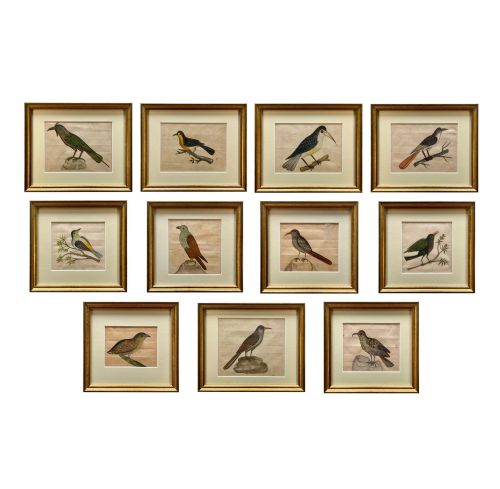
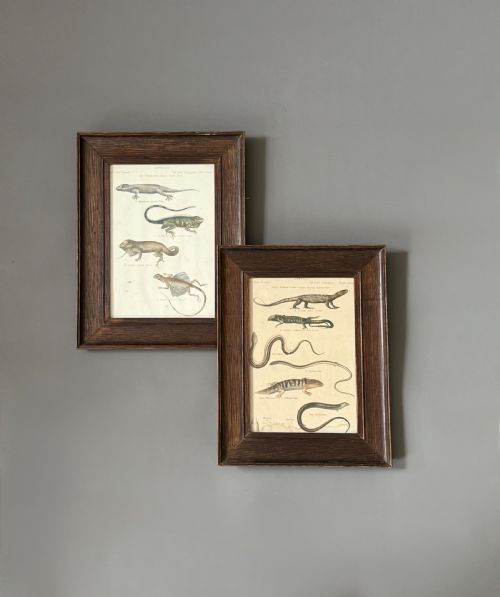
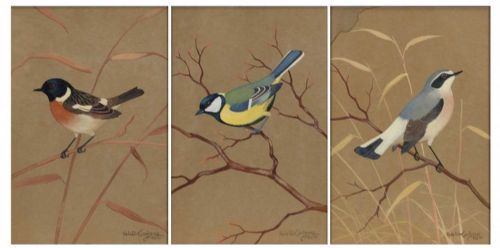
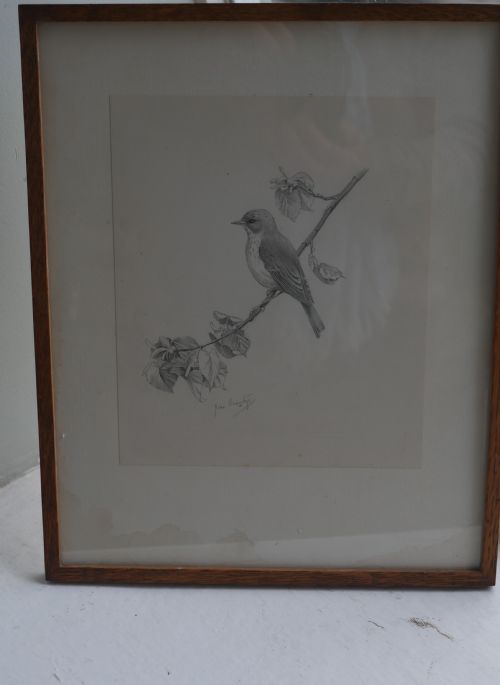
Natural history study prints encompass framed works on paper, botanical specimens, and animal portraits created to document the natural world. These pieces range from Georgian and Victorian engravings to mid-century watercolours and pencil drawings.
Materials and techniques
The foundational medium across these works is paper, frequently brought to life with watercolour paint, hand colouring, ink, and graphite. Many pieces also incorporate gold leaf details or are housed within ebonised frames with deep giltwood mounts.
Printmaking techniques such as engraving provide the crisp outlines for botanical and zoological plates, which are then enhanced by hand or presented as direct watercolour paintings and pith paper illustrations.
Natural History Study Prints Retail Price Guide 2026
Typical asking prices for natural history study prints among the pieces listed under this phrase on Sellingantiques today, from the lower quarter to the upper quarter. They describe what is for sale here now, not the wider market.
Materials utilised across the selection include paper, glass, wood, watercolour, ink, graphite, and gold leaf.
Assessing quality
Quality rests in the precision of the draftsmanship and the vibrancy of the remaining pigment, distinguishing careful scientific recording from generic decoration. Hand-coloured plates with sharp, clean lines and well-preserved paper tones stand apart from faded or heavily yellowed examples.
The sophistication of the framing also dictates the tier of the piece, where period frames and mounts complement the age and origin of the artwork without overshadowing the subject matter.
William Bird·Ralston Gudgeon·John Hancock·John Curtis·William Swainson·Paul-Louis Barruel·George Dionysius Ehret
The Natural History Study Prints Glossary
- Engraving
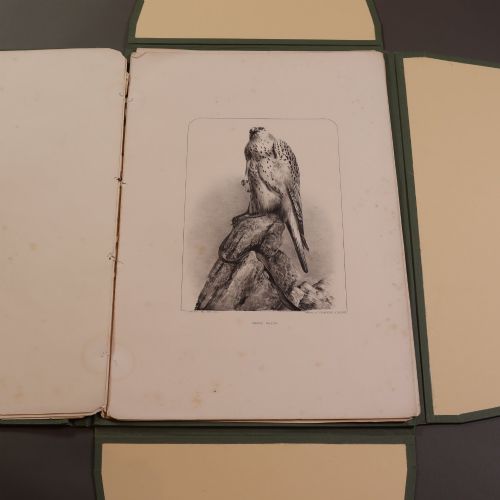
- A printmaking technique where an image is incised into a metal plate, holding ink to transfer fine lines onto paper. This method allowed for accurate mass-production of scientific illustrations before the advent of modern photography.
- Pith painting
- Artwork created on thin sheets of pith plant material, notably produced in China for export during the nineteenth century. These works are prized for their delicate texture and luminous colour application.
- Ornithological study
- A detailed artistic rendering focused specifically on birds, often created for scientific reference or publication. These studies capture plumage, posture, and anatomical proportions with rigorous accuracy.
- Hand colouring
- The manual application of watercolour or tint to a printed outline by skilled colourists. This technique bridges the precision of printmaking with the rich hues of original paintings.
Natural History Study Prints: Frequently Asked Questions
How should I hang natural history prints?
Protect these works from direct sunlight to prevent the watercolour pigments and paper from fading over time. Keeping them in stable indoor humidity preserves both the paper and any historic framing.
Grouping sets together creates a balanced display that reflects their original scientific grouping. Ensure they are hung at eye level to properly appreciate the fine detail in the brushwork or engraving lines.
What subjects are common in these prints?
Birds and botanical specimens form the vast majority of the subjects, reflecting the scientific interests of the eighteenth, nineteenth, and mid-twentieth centuries. You will also encounter reptiles, insects, and specific animal portraits.
Many of these studies were originally commissioned for academic publications or florilegia. They combine rigorous scientific observation with decorative appeal.
Are these works original or reproductions?
The pieces available are period works, including hand-coloured engravings, original watercolours, and pencil drawings dating from the eighteenth century through to the mid-twentieth century. Each item reflects the production methods of its specific era.
Examining the paper texture, ink distribution, and framing helps confirm the period authenticity of each individual study print.
How do I identify the age of a print?
Dating relies on the paper type, printing technique, stylistic markers of the period, and any associated signatures or publication plates. Nineteenth-century works often feature distinct plate marks and hand-applied watercolours.
Comparing the artistic style and framing materials to documented examples from known naturalists provides further clarity on when the piece was produced.