



Natural History Drawers
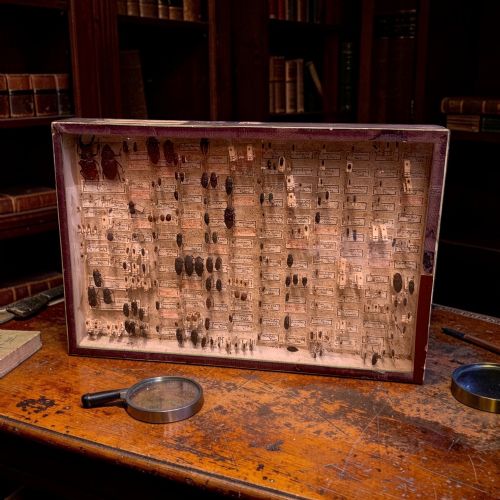
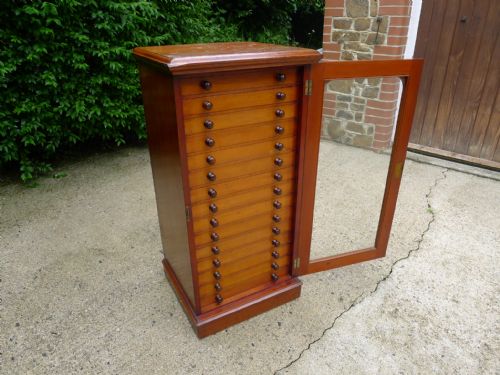
Natural history drawers are specialised storage units designed to house specimens, and you will find various mahogany and pitch pine examples here.
Natural History Drawers
When you search for natural history drawers, you are looking at collectors cabinets and specimen display cases that house biological or geological items. These pieces date from the Georgian period through the Victorian era up to the nineteen thirties.
The listings on this page most frequently present multi-drawer units in mahogany, flame mahogany veneer, and pitch pine. These forms range from small table-top cases to large forty-drawer cabinets designed for serious collections.
Materials and construction
Cabinet makers utilised dense hardwoods like mahogany alongside pitch pine to construct the robust frames needed to house numerous shallow trays. Flame mahogany veneer frequently faces the exterior surfaces to provide visual depth.
Brass handles, pulls, and locking mechanisms are integrated into the timber structures to secure the multiple drawers. Glass panels are fitted into doors and display cases to allow viewing of the contents while protecting the interior.
Natural History Drawers Retail Price Guide 2026
Typical asking prices for natural history drawers among the pieces listed under this phrase on Sellingantiques today, from the lower quarter to the upper quarter. They describe what is for sale here now, not the wider market.
The listings span from the Georgian era through Victorian production into the nineteen thirties, utilising mahogany, pitch pine, and brass.
Assessing quality and origin
The distinction between standard storage and top-tier cabinet work lies in the timber selection and the precision of the drawer fit. Figured pitch pine and choice mahogany indicate higher-grade workshops.
Cabinets bearing the names of established makers such as Watkins and Doncaster or J.T. Crockett demonstrate superior craftsmanship and documented provenance. The sheer scale of multi-drawer units also influences desirability.
Watkins and Doncaster·J.T. Crockett·Standish·A W Gamage LTD
The Natural History Drawers Glossary
- Collectors Cabinets
- Furniture pieces containing multiple fitted drawers built specifically to store natural history specimens. These units secure fragile items from light and dust.
- Specimen Display Case
- A glazed enclosure designed to exhibit items to viewers while maintaining protection. These cases utilise glass and wood framing.
- Flame Mahogany Veneer
- A thin layer of timber sliced from mahogany showing a distinctive flickering flame pattern. This material decorates the outer surfaces of finer cabinets.
- Pitch Pine
- A durable resinous softwood utilised in the construction of nineteenth-century cabinet interiors and carcases. It provides a distinct figured grain pattern.
Natural History Drawers: Frequently Asked Questions
What were natural history drawers used for?
These drawers were built to house organised collections of insects, eggs, and botanical or geological specimens. Naturalists and collectors used the shallow compartments to protect delicate items from dust and light while keeping them catalogued.
The enclosed environment maintained stable conditions for delicate organic material over decades of study. Each drawer typically pulled out smoothly to allow close inspection of individual items without disturbing the rest of the collection.
How do I date a specimen cabinet?
Dating relies on examining the timber species, construction methods, and hardware style present in the piece. Georgian and Victorian examples display specific dovetailing techniques and brass handle designs typical of their respective decades.
Maker signatures, paper labels inside the drawers, or historical provenance notes also provide precise manufacturing dates. Comparing the drawer framing and wood finishes helps separate nineteenth-century pieces from later twentieth-century examples.
Are these cabinets suitable for modern homes?
Collectors cabinets function effectively as striking furniture centerpieces and practical storage for modern living spaces. The shallow drawer depth suits the organisation of small items, documents, or contemporary collections.
Placing these timber units away from direct sunlight and excessive heat preserves the mahogany or pitch pine surfaces. Regular dusting and occasional wax maintenance keep the original polish intact within a domestic setting.
What is the difference between a cabinet and a display case?
Cabinets consist primarily of enclosed banks of horizontal drawers stacked within a wooden carcase structure. They prioritize secure, dark storage for large quantities of categorized specimens.
Display cases incorporate glass viewing areas designed to show off specific items rather than housing large drawer quantities. These glazed formats allow specimens to remain visible in a room without opening the storage compartments.