





Natural History Decor
Natural history decor brings the study of the natural world directly into your interior, spanning preserved specimens, antique prints, and specimens.
Natural History Decor
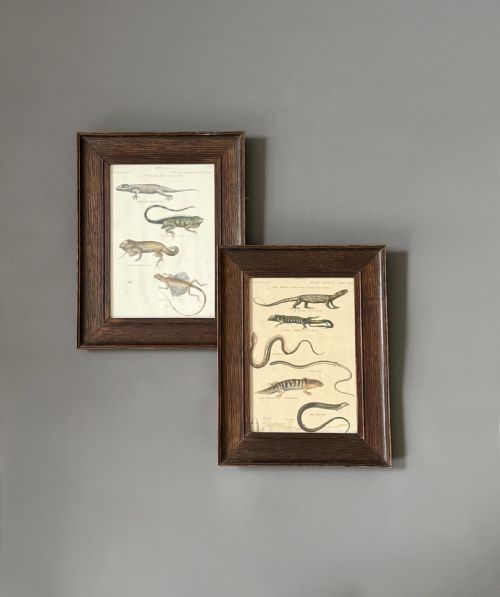
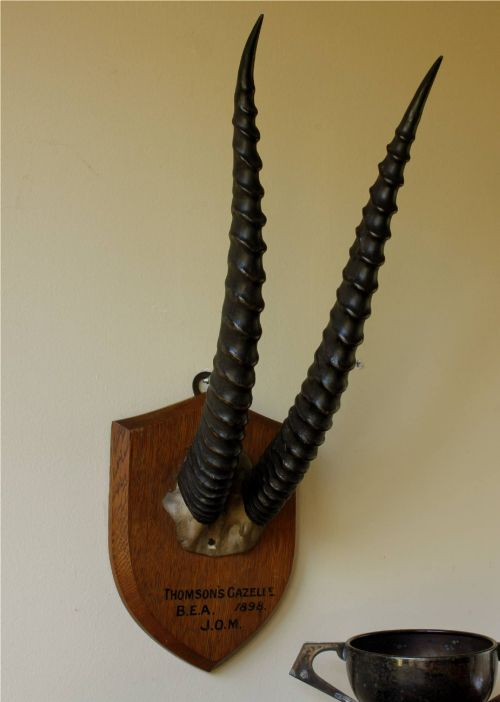
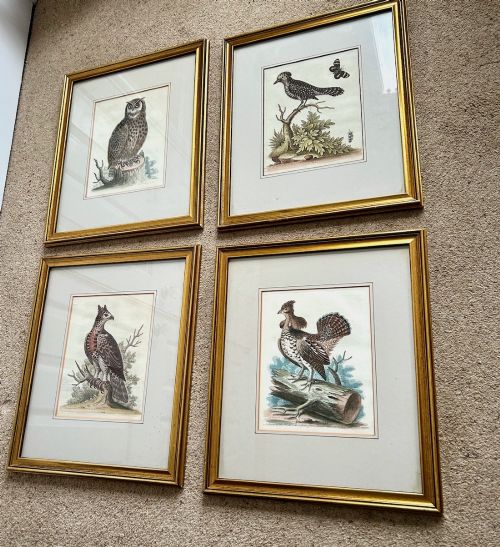
When looking for natural history decor, you encounter a diverse gathering of objects that document flora, fauna, and geology from past centuries. The pieces range from mounted taxidermy trophies and bird display cases to framed botanical and zoological engravings.
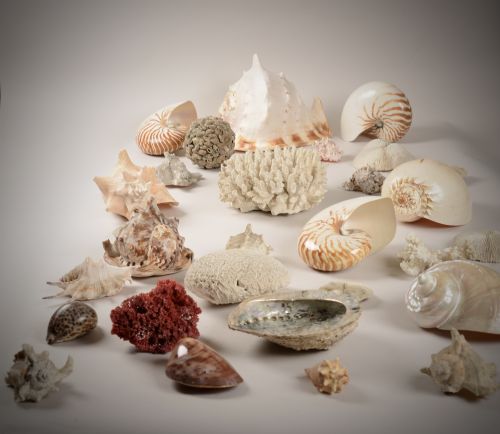
Victorian and Edwardian items appear frequently, alongside earlier Georgian prints and geological specimens like ammonites and sea shells. These objects served originally for scientific study or cabinet of curiosity displays, later becoming interior ornaments.
The selection blends wall art, such as butterfly prints and fish engravings, with three-dimensional sculptures involving horn, bone, and tortoise shell. Each piece reflects how past generations catalogued and displayed the natural environment.
Materials and Techniques
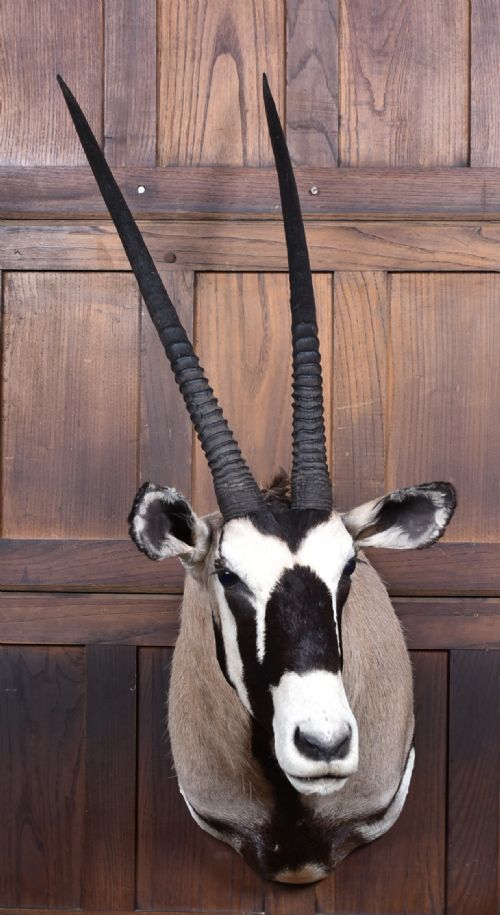
Taxidermy pieces utilise animal hides, horns, and bones mounted onto wooden supports or shields, preserving anatomical forms through period preservation methods. Display cases combine glass and wood to protect delicate avian specimens.
Paper works employ hand-coloured engraving and printing techniques, utilising paper substrates for detailed botanical, ornithological, and entomological illustrations. Framing incorporates wood and glass to preserve these delicate prints.
Natural media such as shell, coral, and stone are shaped or mounted directly, sometimes paired with metals like silver in sculptural interpretations. Carapaces and fossils undergo cleaning and mounting to create stable decorative objects.
The listings span from the eighteenth century through the 1960s, featuring taxidermy, framed engravings, and natural shells.
Assessing Quality
The standard of execution in print works depends on the crispness of the original plate impression and the subtlety of contemporary hand-colouring. Well-preserved paper free from heavy foxing and strong provenance linked to known illustrators elevate a piece.
For taxidermy and osteological material, quality rests on the fidelity of the taxidermist's mounting, the condition of the hide or plumage, and the integrity of the original display enclosure. Master taxidermists achieved lifelike anatomical postures that endure over centuries.
Edward Gerrard and Sons·William Bird·Jonathan Couch·George Edwards·John Curtis·Eleazor Albin·Gabriella Binazzi
The Natural History Decor Glossary
- Taxidermy
- The art of preparing, stuffing, and mounting the skins of animals for display. Victorian examples often feature complex glass domes and bespoke wooden cabinets.
- Carapace
- The hard upper shell of a tortoise, turtle, or crustacean. Antique specimens display rich natural patterns and tones.
- Ammonite
- A fossilised cephalopod mollusc shell characterised by spiral chambered structures. These geological specimens are frequently mounted for presentation.
- Engraving
- A printmaking technique where an image is incised onto a metal plate to hold ink. These works often received meticulous hand-colouring in watercolour.
- Cabinet of Curiosity
- A room or piece of furniture where collectors displayed a wide variety of natural and artificial objects. This tradition inspired much of the decorative taxidermy and specimen collecting seen today.
Natural History Decor: Frequently Asked Questions
How do I care for taxidermy?
Keep taxidermy specimens away from direct sunlight, high humidity, and extreme temperature fluctuations to protect the hide and feathers.
Dust gently with a soft brush and avoid using liquid cleaners on sensitive organic materials.
Are antique frames original?
Many framed prints retain their period wood or moulded frames, which show appropriate signs of age and wear.
Some pieces have been reframed later to ensure better archival protection while preserving the historic character.
How are prints dated?
Dating relies on the publication date of the volume, the paper characteristics, and the engraver or artist signature recorded on the plate.
Stylistic cues in the hand-colouring and typography also help narrow the period of production.
Where did these specimens come from?
Historical collectors sourced specimens through global expeditions, scientific institutions, and private menageries during the eighteenth and nineteenth centuries.
Taxidermists and naturalists prepared these items for domestic display in studies, libraries, and drawing rooms.