





Narrow Wooden Hall Tables
Narrow wooden hall tables solve the perennial problem of furnishing a compact corridor with character and surface space.
Narrow Wooden Hall Tables
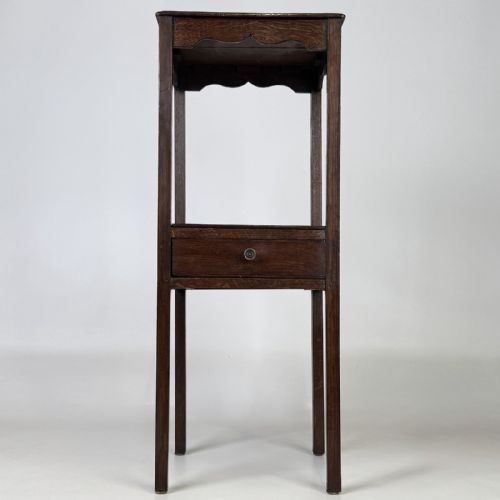
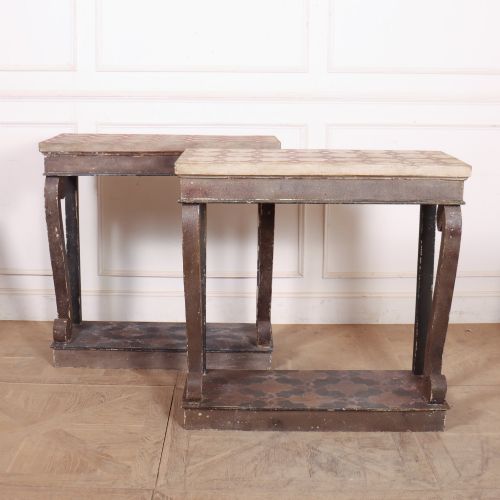
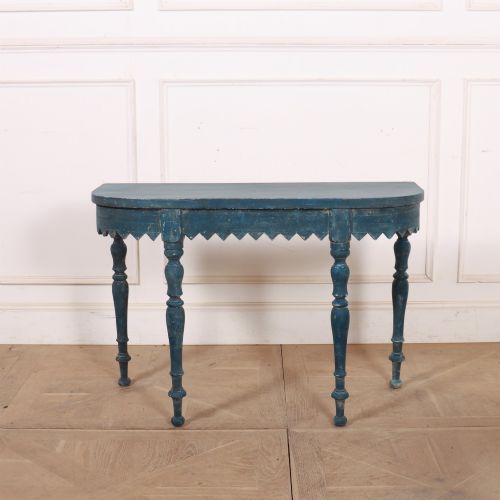
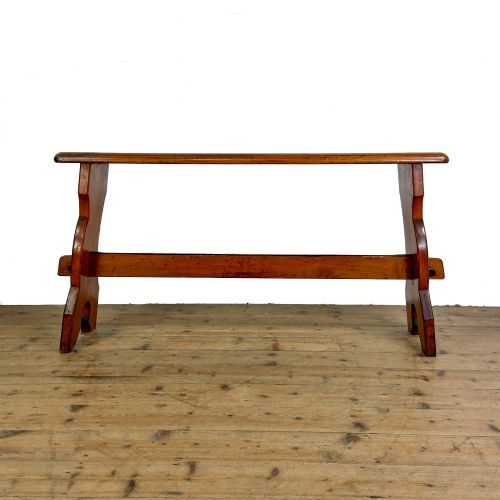
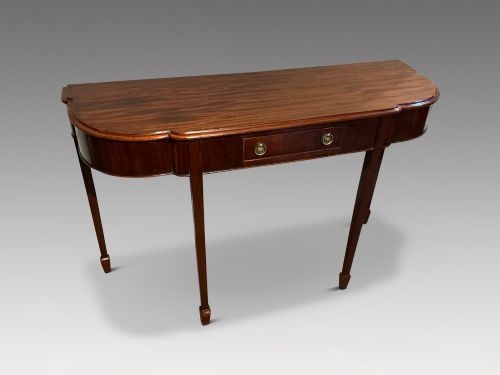
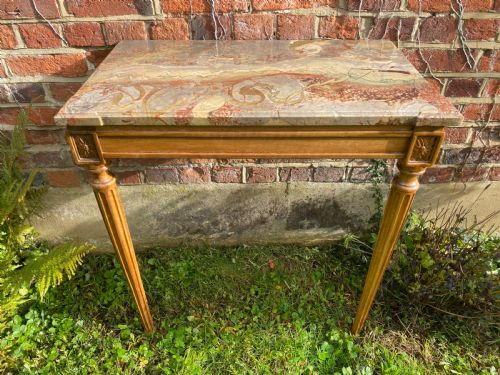
Narrow wooden hall tables comprise a diverse selection of slim console tables, side tables, benches, and servers designed to fit restricted spaces. These pieces span the nineteenth and early twentieth centuries, drawing on styles ranging from Victorian and Georgian to French Provincial and Arts and Crafts.
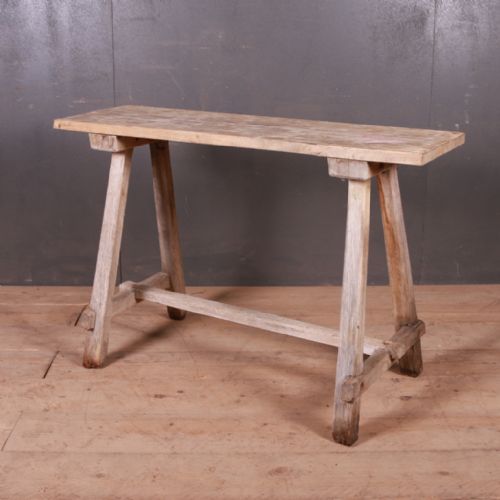
You are most likely to encounter painted pine, mahogany, and bleached oak pieces originating from English, French, and Spanish workshops. Forms include bow-end console tables, trestle tables, and potboard servers that bring functional surface area without blocking narrow thoroughfares.
Materials and Construction
Carpenters utilised solid timbers such as mahogany, pine, oak, elm, and sycamore, often combining them with marble tops or brass fittings for added utility and contrast. Surfaces were finished with paint, natural scrubbing, or clear polishes that highlight the grain of the wood.
Joinery methods reflect the period of manufacture, relying on traditional framing and pegging suitable for supporting slender proportions. Trestle supports, turned legs, and bracket feet provide structural stability to these narrow forms.
Narrow Wooden Hall Tables Retail Price Guide 2026
Typical asking prices for narrow wooden hall tables among the pieces listed under this phrase on Sellingantiques today, from the lower quarter to the upper quarter. They describe what is for sale here now, not the wider market.
Listings feature woods such as pine, oak, mahogany, sycamore, and elm, alongside marble and brass elements.
Factors of Quality
Quality depends upon the selection of timber and the integrity of the original construction, distinguishing robust daily furniture from lighter decorative items. Superior examples retain their original painted surfaces, undisturbed patination, and uncompromised structural joints.
Proportion and detail dictate distinction, with finer pieces exhibiting balanced overhangs, careful timber matching, and well-executed stylistic details such as bow ends or turned supports rather than clumsy alterations.
The Narrow Wooden Hall Tables Glossary
- Console table
- A table designed to stand against a wall, frequently supported by brackets or legs at the front. These pieces serve narrow spaces efficiently by maintaining a shallow depth.
- Trestle table
- A table featuring a horizontal beam supported by two vertical legs or frames at each end. This construction method allows for sturdy support beneath slender tabletops.
- Potboard server
- A form of sideboard featuring a lower shelf for storing pots or dishes. It provides useful storage within a shallow footprint.
- Bow end
- A convex, rounded front edge on a table top or cabinet. This curved shape softens the profile in tight circulation areas.
- Scrubbed finish
- A wood surface washed repeatedly to remove old finishes and reveal the pale, clean timber beneath. This treatment appears frequently on French country tables.
Narrow Wooden Hall Tables: Frequently Asked Questions
How do I style a narrow hall table?
Keep items scaled to the shallow depth of the surface, using tall lamps or mirrors to draw the eye upward without cluttering the passage.
Leave space around decorative objects so the timber remains visible and the piece retains its functional purpose.
Are these tables sturdy enough for daily use?
Solid wood construction provides adequate durability for everyday placement in busy corridors or entryways.
Heavier items like marble-topped consoles offer extra stability through their sheer weight.
How do I identify a Victorian hall table?
Victorian pieces often feature darker timbers like mahogany, alongside turned legs and heavier proportions typical of nineteenth-century manufacturing.
Compare the joinery and finish against known nineteenth-century design standards to confirm the period.
Will a painted table withstand hallway traffic?
Original or period painted finishes handle normal corridor use well, provided they receive gentle care and dry dusting.
Avoid placing damp items directly on painted wooden surfaces to preserve the finish.