





Narrow Gold Mirror
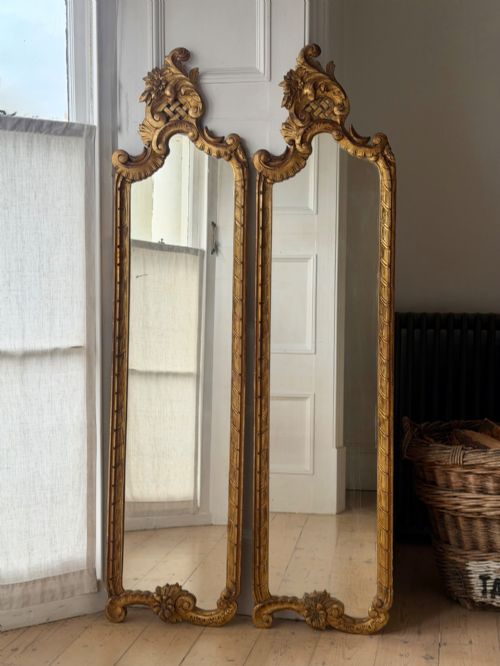
A narrow gold mirror brings upright reflection and gilded presence into confined spaces, drawn from Georgian, Regency, and later revival periods.
Narrow Gold Mirror
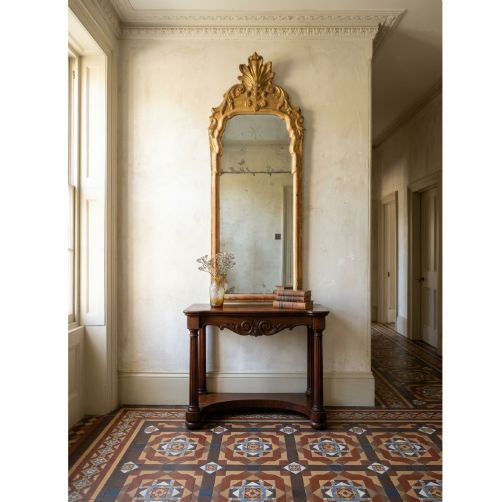
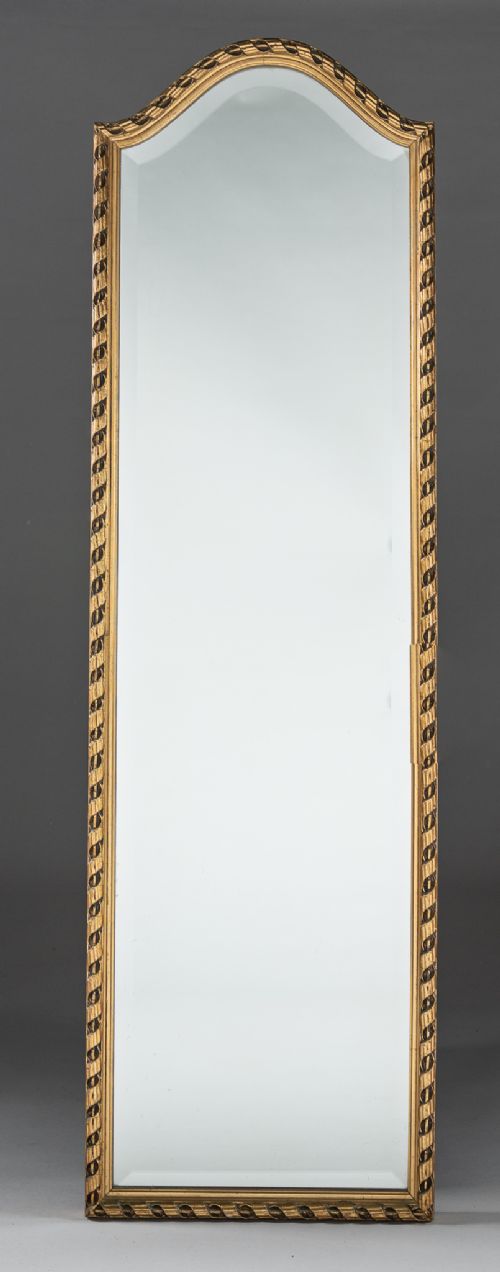
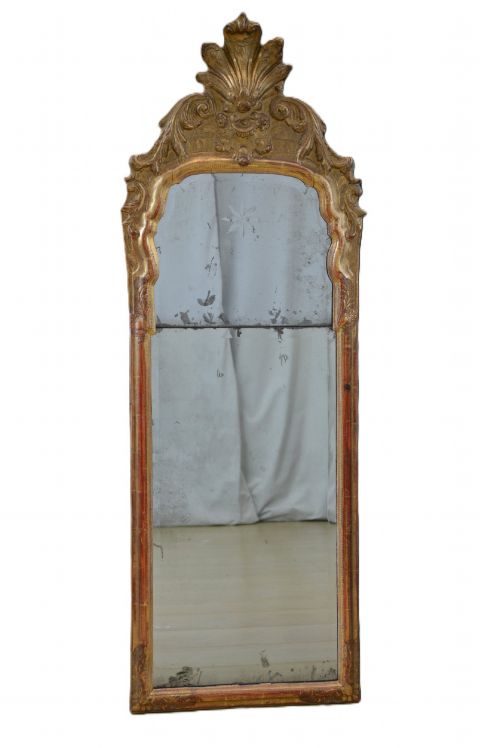
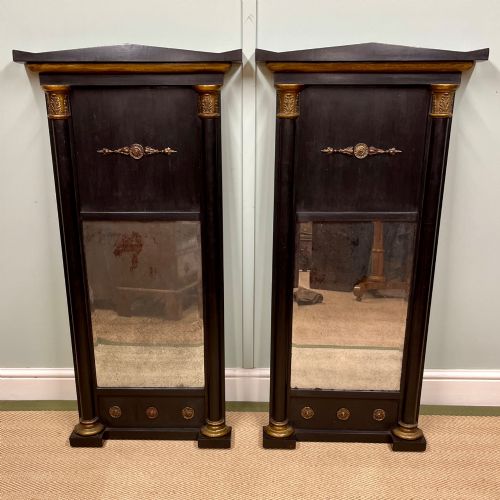
When you search for narrow gold mirror, you encounter vertical wall hung pieces designed to fit tight spaces between windows or along hallways. The selection here spans Georgian, Regency, and nineteenth century origins, taking the form of pier mirrors, hall mirrors, and wall panels.
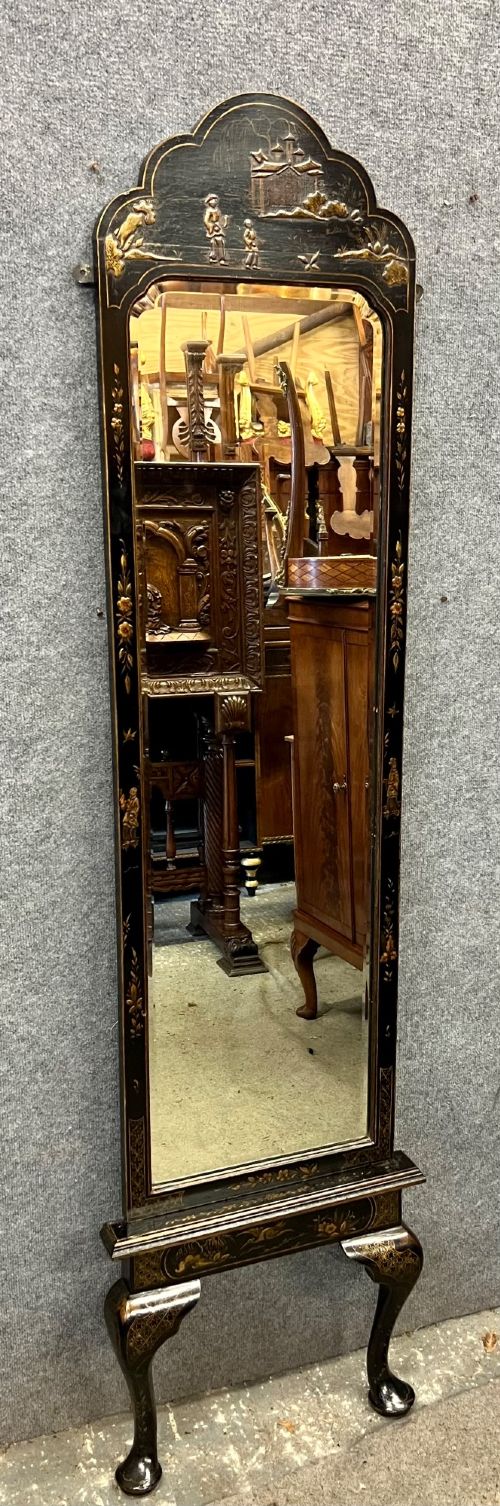
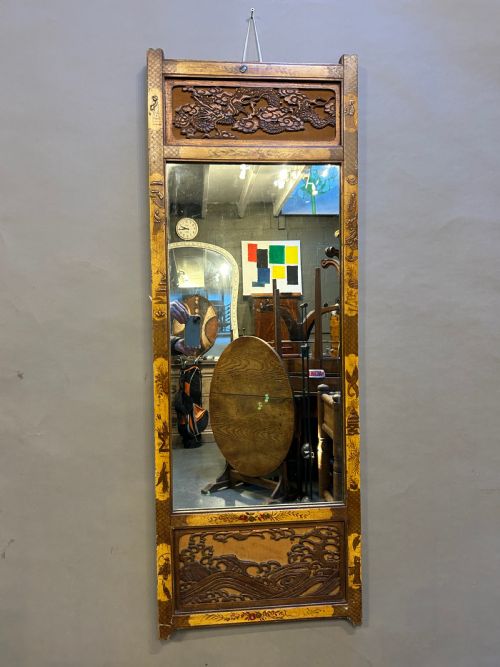
You meet various revival styles among these listings, including Adam, Empire, and George I designs alongside French Chateau and Chinoiserie interpretations. These tall proportions suit narrow wall spaces where a standard horizontal glass would overwhelm the room.
The primary forms include dedicated pier mirrors that historically stood between windows, as well as tall dressing and hall mirrors executed in giltwood and painted wood. Each piece uses its vertical frame to draw the eye upward and reflect available light.
How they were made
Makers constructed the core structures from wood, applying layers of gesso to build up intricate decorative motifs before finishing the surface with gold leaf or parcel gilding. This traditional technique allowed carvers to achieve sharp relief on narrow mouldings.
Certain pieces incorporate painted wood surfaces, notably in Chinoiserie and red japanned examples where delicate decoration sits beneath or alongside the gilded elements. The glass itself is fitted into the rebated frame, often accompanied by original or period mirror plates.
Narrow Gold Mirror Retail Price Guide 2026
Typical asking prices for narrow gold mirror among the pieces listed under this phrase on Sellingantiques today, from the lower quarter to the upper quarter. They describe what is for sale here now, not the wider market.
What varies in quality
Quality reveals itself in the crispness of the gesso carving and the depth of the gilding upon the wood frame. Superior examples display finely rendered classical details or hand-painted motifs that remain sharp and well-defined.
The integrity of the frame construction and the character of the mirror glass contribute significantly to the standing of a piece. Older glass plates showing soft oxidation contrast with replacement mirror glass, while solid joinery ensures the tall frame hangs true.
John Belchier
The Narrow Gold Mirror Glossary
- Pier mirror
- A tall, narrow mirror designed specifically to hang on the wall space between two windows. These pieces often sat above low console tables.
- Gesso
- A plaster-like mixture applied to wood frames to create a smooth surface for carving and gilding. Artisans built up layers to model intricate decorative details.
- Giltwood
- Timber that has been decorated with gold leaf or gold paint applied over a prepared ground. It provides a luminous surface that catches room light.
- Japanned
- European furniture finished with a glossy, oriental-style lacquer often featuring painted decoration in red, black, or gold. This technique imitates Asian lacquerware.
- Parcel gilt
- A finish where only specific carved portions of an object are gilded while the rest remains painted or polished wood. This highlights particular decorative elements.
Narrow Gold Mirror: Frequently Asked Questions
Where should I hang a narrow gold mirror?
These vertical pieces suit narrow wall spaces between windows, beside doorways, or along hallways where standard horizontal mirrors do not fit.
Their proportions help bounce light into darker corners while adding architectural interest to plain walls.
How do I identify a pier mirror?
Pier mirrors are characterised by their tall, narrow dimensions designed to occupy the wall space between architectural openings.
They frequently feature decorative crests and are constructed in giltwood or gesso to match the formal rooms of their period.
What is the difference between gesso and carved wood?
Carved wood involves shaping the timber itself, whereas gesso is a plaster mixture applied to a wooden base and then carved or moulded.
Many antique frames combine a wooden structure with built-up gesso ornament to achieve detailed relief work.
How do I care for antique gilded frames?
Dust the surface gently with a soft, dry brush to prevent accumulation without disturbing the delicate gold leaf or gesso.
Avoid liquid cleaners or abrasive cloths, which can damage the historic gilt finish and underlying preparation layers.