




Napoleonic War
These pieces of napoleonic war antique material culture range from firearms and prisoner of war bone carvings to portrait prints that document a transformative European conflict.
Napoleonic War
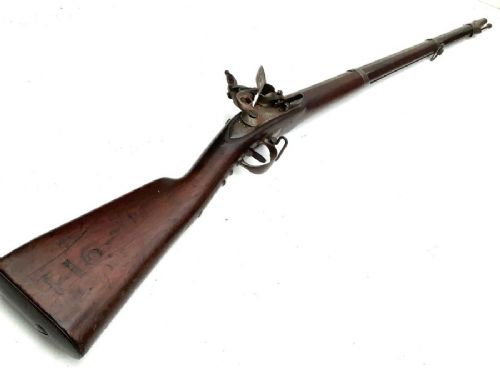
A napoleonic war antique encompasses military equipment, personal items, and commemorative works created during the late eighteenth and early nineteenth centuries. You will frequently encounter firearms such as flintlock muskets alongside prisoner of war artefacts carved from bone.
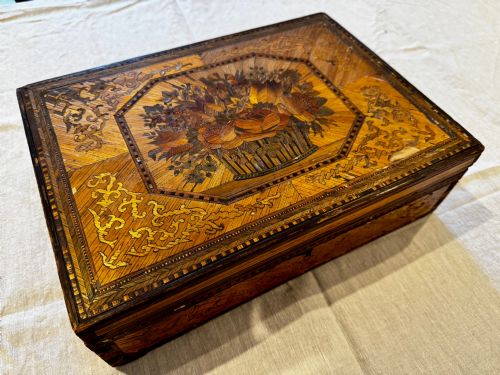
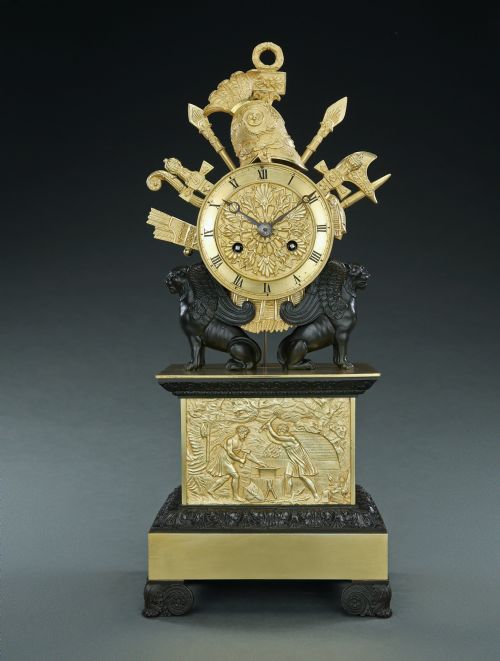
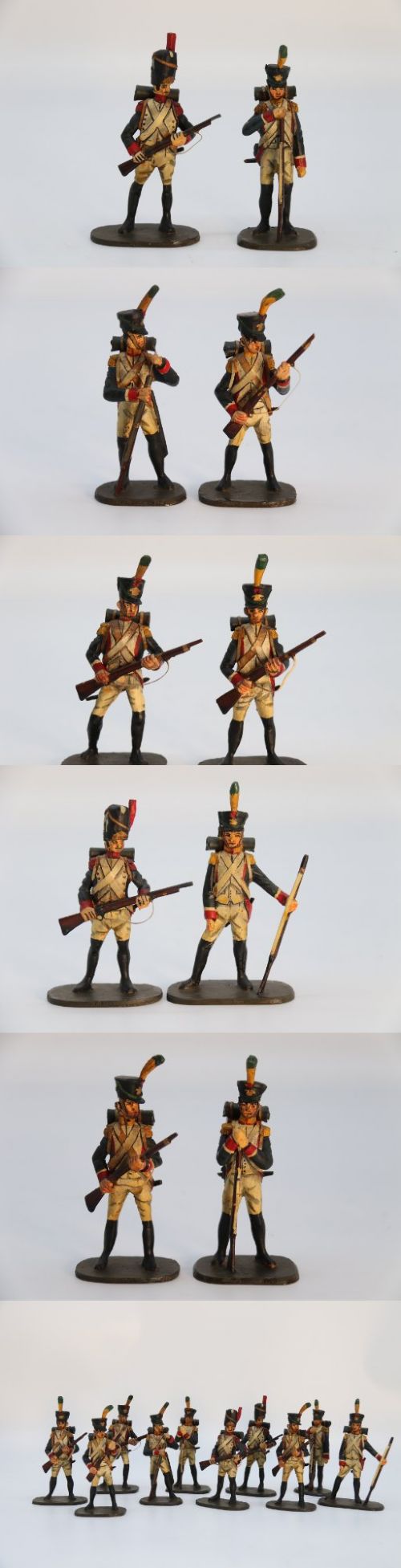
The category spans diverse forms including mantel clocks, decorative boxes, reverse glass prints, and hand-carved wooden soldier figures. These items bridge official military history and the personal craftsmanship of the era.
Originating predominantly from the Georgian, Regency, and French Empire periods, these objects reflect both British and continental perspectives on the conflicts. Surviving examples demonstrate how combatants and civilians alike recorded the decades of upheaval.
How they were made
Makers utilised traditional materials such as wood, brass, steel, and glass to construct functional gear and commemorative items. Bone was carved with remarkable precision, particularly by detained combatants working with limited implements.
Fine decorative works incorporate pigment, paper, and textiles, visible in hand-coloured prints, watercolours, and tapestry embroideries. Gunsmiths shaped hardwoods and forged metals to produce functional flintlock weaponry.
A bone ear spoon reminds us that soldiers still worried about wax during global conflict.
What varies in quality
The standard of execution in bone carvings and wooden figures depends on the intricacy of detail and the preservation of delicate components. Finely detailed prisoner of war pieces demonstrate superior dexterity compared to simpler utilitarian items.
Originality of surface finish and the integrity of mechanical parts determine the standing of firearms and clocks. Surviving pigments on prints and textiles retain greater interest when colours remain vivid and unblemished.
Sargant and Son
The Napoleonic War Glossary
- Flintlock
- A firearm mechanism that uses a flint striking a steel frizzen to create sparks and ignite the gunpowder charge. This ignition system dominated military and civilian weaponry throughout the period.
- Bone prisoner of war work
- Intricate items carved by detained combatants using salvaged animal bone, often featuring games, boxes, and small tools. These pieces showcase exceptional patience and resourcefulness.
- Reverse glass print
- An image painted or transferred onto the back side of a sheet of glass, viewed from the front. This technique produces vibrant colours and a glossy protective surface.
- Straw work
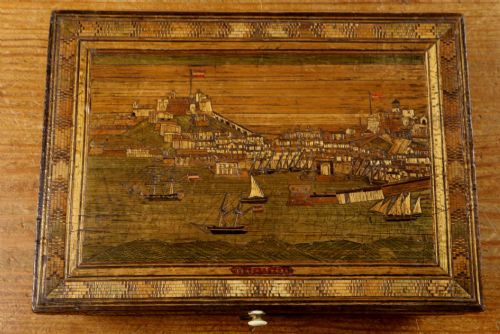
- Decorative surface ornamentation created by applying flattened and dyed straw strips in geometric patterns onto wooden boxes. It served as a popular craft among confined servicemen.
- Shako
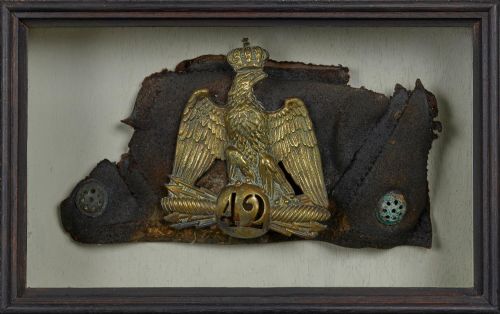
- A cylindrical military cap adorned with a visor and insignia, worn by infantry regiments. Surviving partial examples identify specific military units.
Napoleonic War: Frequently Asked Questions
What are prisoner of war bone items?
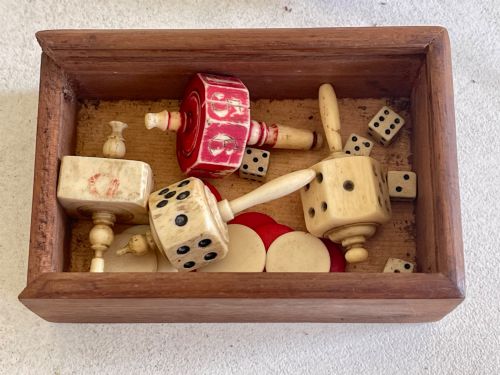
Detained combatants carved bone into functional items like domino sets, dice boxes, and toothpicks during captivity. They utilised salvaged materials with rudimentary tools to pass the time and generate income.
These tactile objects provide a direct link to the personal experiences of servicemen held away from home. Their survival in good condition reflects the care taken by their original owners.
Where were reverse glass prints displayed?
Reverse glass prints adorned domestic interiors as patriotic wall art commemorating military commanders and naval engagements. Their reflective surfaces caught candlelight in period rooms.
Today, these prints require protection from direct sunlight to preserve the pigments applied beneath the glass. They offer visual records of contemporary heroes and battles.
How do I care for wooden and bone antiques?
Wooden objects and bone carvings benefit from stable room temperatures and protection from excessive dryness or moisture. Natural waxes help maintain the finish on timber surfaces without damaging older patinas.
Avoiding direct heat sources prevents the warping of wood and the splitting of old bone. Gentle dusting with a soft brush keeps the surface clean.