


Collectable Folk Art Box
These collectable folk art box examples are small, characterful vessels shaped by hand, offering a tangible connection to nineteenth-century vernacular life.
Collectable Folk Art Box
When you search for a collectable folk art box, you encounter small nineteenth-century containers fashioned for everyday personal use. The selection centres heavily upon snuff boxes and money boxes created in various regional British traditions.
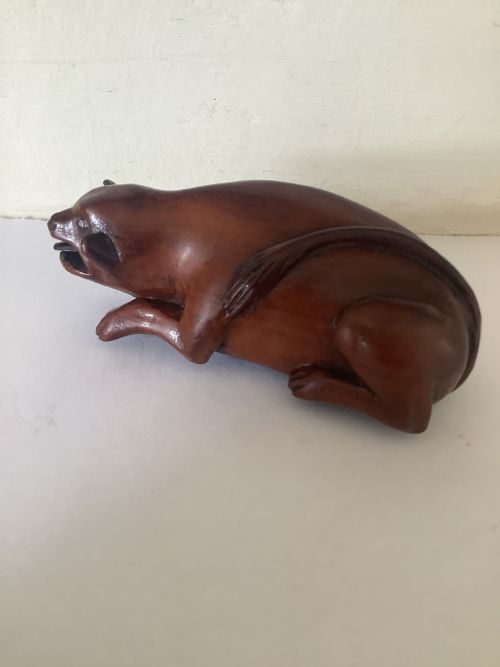
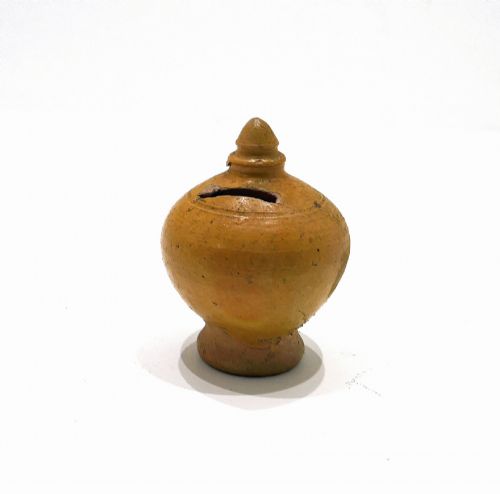
You are most likely to meet wooden treen pieces, including carved shoes, animal forms, and hinged pocket containers. Scottish vernacular horn snuff mull styles and earthenware money boxes also appear regularly across the nineteenth century evidence.
These objects served practical domestic and personal purposes before becoming cabinets of curiosity items. Their appeal lies in the vernacular hands that shaped them outside formal academic art training.
How they were made
Makers utilised locally sourced materials such as hardwood, staghorn, straw work, earthenware, and coquilla nut. Carving, turning, and pen work techniques brought form to these stubborn organic substances using simple hand tools.
One nineteenth-century carver painstakingly shaped a pair of treen snuff boxes to resemble ladies feet wearing open-toed shoes.
What varies in quality
The distinction between standard and superior pieces rests entirely upon the ambition of the carving and the crispness of the remaining detail. Naive execution appears frequently, but pieces with spirited animal motifs or architectural precision command greater visual attention.
Material choice also dictates standard, moving from plain turned wooden rounds to intricate coquilla nut carvings or specialised Napoleonic prisoner of war straw work. Preservation of original surface patination and intact working lids completes the assessment of quality.
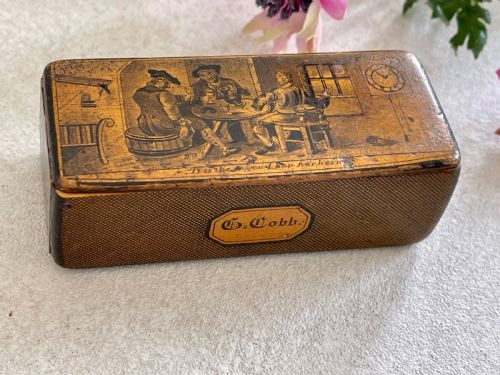
G Cobb
The Collectable Folk Art Box Glossary
- Treen
- Small handmade wooden household objects and utensils. These items display the grain and tool marks of their maker.
- Snuff box
- A small pocket container designed to hold powdered tobacco. Lids were hinged or sliding for quick access.
- Snuff mull
- A traditional Scottish ram horn container used for holding snuff. They often feature metal mounts and decorative thistle motifs.
- Coquilla nut
- The hard, dark brown fruit of a South American palm. Carvers utilised its dense shell for detailed miniature relief work.
- Vernacular
- Artefacts made by self-taught rural artisans within a regional tradition. These pieces reflect local materials rather than metropolitan academic styles.
Collectable Folk Art Box: Frequently Asked Questions
What is a treen snuff box?
A treen snuff box is a small wooden container shaped by hand for carrying powdered tobacco in the pocket. Makers turned or carved these vessels from domestic hardwoods during the nineteenth century.
Such items combined practical utility with imaginative regional carving, often taking the form of everyday objects or animals.
How were horn snuff mulls used?
Horn snuff mulls served as personal containers for Scottish Highlanders and other users of dry tobacco powder. The natural curve of the horn provided a sturdy receptacle that withstood daily handling.
Users carried them in waistcoats or sporrans, retrieving a pinch of snuff through a securely fitted lid.
Why did prisoners make straw work boxes?
Napoleonic war prisoners utilised scavenged materials like straw to pass the time and earn small comforts. They glued split straws onto wooden foundations in geometric patterns to create decorative boxes.
These surviving containers demonstrate remarkable patience and fine handwork under harsh confinement.
What is Verwood pottery?
Verwood pottery refers to traditional earthenware produced in the Verwood district of Dorset. Workshops there fired utilitarian vessels and money boxes using local clays.
These lead-glazed pieces formed a staple of nineteenth-century rural English domestic life before mass production took over.