


Napoleon III Ebonised Cabinet
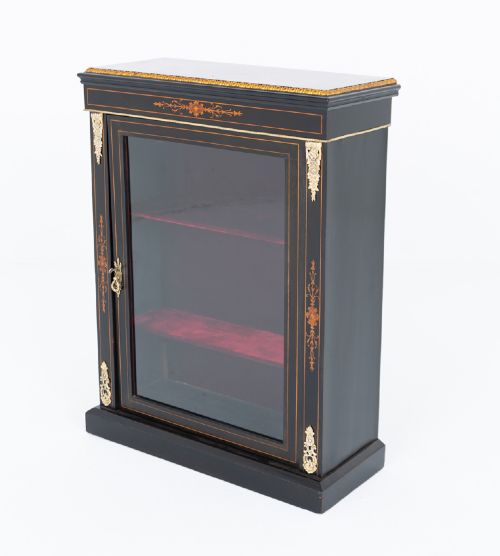
A Napoleon iii ebonised cabinet delivers heavy French decorative display with dense brass inlay and dark timber.
Napoleon III Ebonised Cabinet
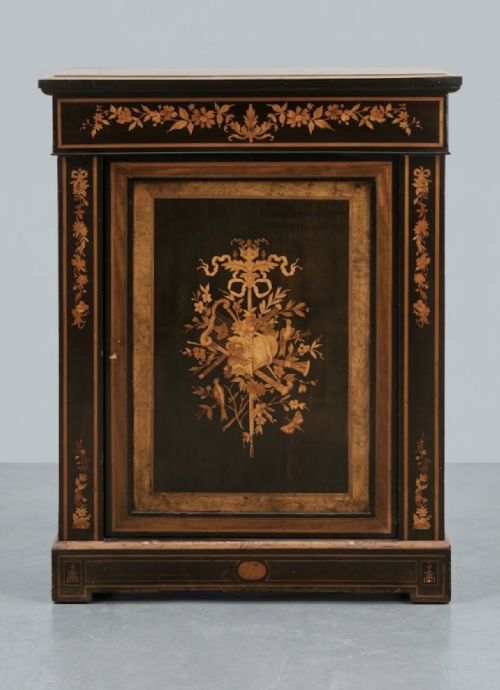
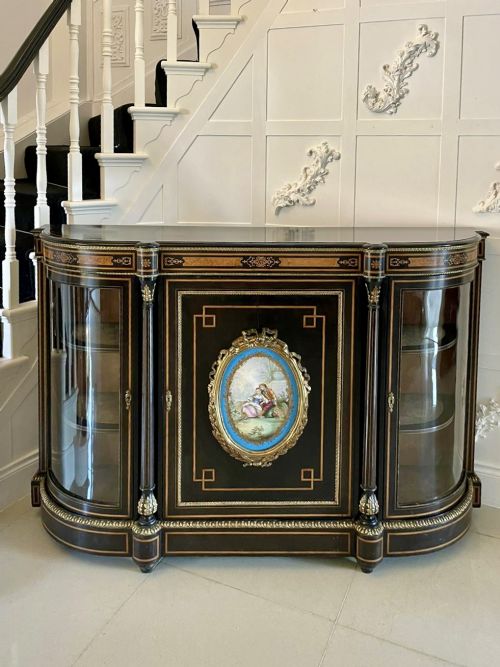
A Napoleon iii ebonised cabinet brings together nineteenth century French display furniture designed for formal reception rooms. These pieces appear most frequently as pier cabinets, credenzas, and side cabinets standing against salon walls.
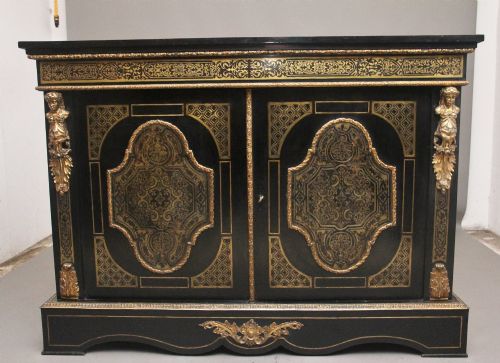
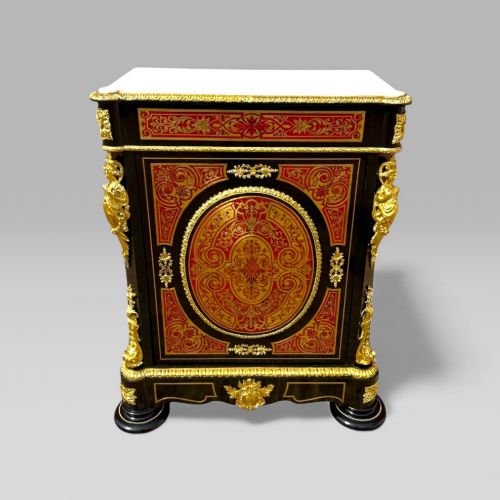
Makers of the period drew on Revival styles, incorporating Boulle marquetry, tortoiseshell, and porcelain plaques into the dark wooden carcases. The form serves primarily to display porcelain and small objects of vertu behind glass doors.
Buyers seeking this phrase encounter proportions ranging from neat single door pier cabinets to monumental credenzas with serpentine fronts. Marble tops and gilt bronze mounts appear across the majority of surviving examples.
Construction and Materials
Workshops utilised timber finished with ebonising to imitate solid ebony, pairing the dark surfaces with contrasting brass and tortoiseshell inlay. Ormolu mounts and gilt bronze details were cast and chased then applied to corners, borders, and feet.
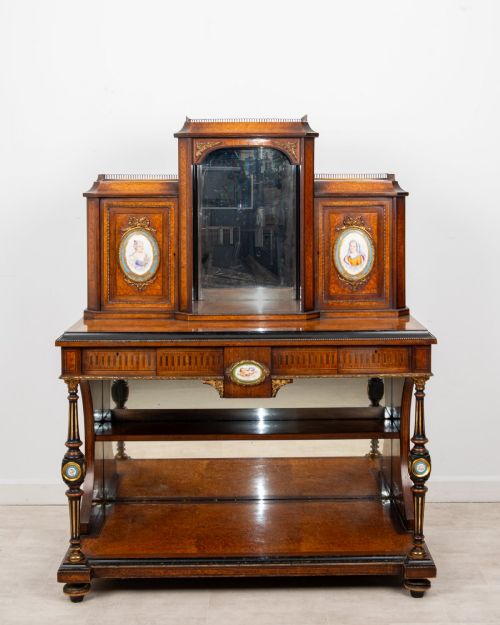
Surface decoration frequently incorporated marquetry in exotic woods alongside hand painted porcelain plaques. Marble slabs fitted to the top surfaces provided durable display ledges edged with cast brass galleries.
Many a nineteenth century salon host used these cabinets to guard delicate porcelain from clumsy guests while secretly keeping extra biscuits behind the tortoiseshell doors.
Markers of Quality
The refinement of the cast ormolu mounts separates standard production from superior pieces, with sharper chiselling indicating higher workshop standards. The precision of the brass and tortoiseshell marquetry also dictates grade, where intricate scrolling displays minimal gaps in the ground.
Structural heft and timber selection influence overall standing, alongside the presence of original marble tops and undamaged porcelain plaques. Cabinets retaining integrated shelving and working locks command stronger interest from collectors.
The Napoleon III Ebonised Cabinet Glossary
- Ebonised
- Timber treated with a dark stain or finish to simulate genuine ebony. This technique gained widespread favour during the nineteenth century for furniture requiring a uniform black surface.
- Boulle
- Marquetry technique utilising brass and tortoiseshell cut together to form interlocking patterns. Named after André Charles Boulle, the method enjoyed a major revival during the Napoleon III period.
- Ormolu
- Gilt bronze mounts applied to furniture edges and panels for decorative effect. The metal is cast and chased before receiving a layer of gold amalgam.
- Credenza
- A large sideboard or display cabinet featuring cupboards and central doors. These pieces often incorporate serpentine fronts and extensive brass inlay.
- Pier Cabinet
- A narrow display cabinet built to fit the wall space between windows. They typically feature glazed doors and marble tops.
Napoleon III Ebonised Cabinet: Frequently Asked Questions
Where did these cabinets go in a Victorian home?
These pieces stood principally in formal drawing rooms and salons against the wall spaces between windows. Their reflective glass doors and gilt mounts caught the natural light entering the room.
Secondary placements included reception hallways and grand dining rooms where hosts displayed imported porcelain and decorative objects.
How do I care for the ebonised surface?
Dust the timber regularly with a soft, dry lint free cloth to prevent particulate buildup in the recessed brass inlay. Avoid commercial polishes containing silicone which can damage the traditional finish.
Keep the cabinet away from direct sunlight and heat sources to prevent the tortoiseshell and veneer from lifting off the wooden carcase.
What is the difference between a pier cabinet and a credenza?
A pier cabinet stands tall and narrow, specifically proportioned for placement against wall piers. They generally feature a single glazed door protecting the interior shelves.
A credenza spans much wider with a central cupboard flanked by curved side sections. They provide substantially more surface area and often incorporate extensive pietra dura or porcelain plaques.
Are the marble tops original to the furniture?
Most surviving examples retain their fitted marble slabs, which were cut to follow the straight or serpentine contours of the carcase. The stone provided a durable surface for displaying heavy bronze ornaments and clocks.
Inspect the underside of the marble and the supporting wooden frame to confirm the slab matches the period of construction.
What materials make up the Boulle marquetry?
Boulle work combines thin sheets of brass and dark tortoiseshell cut simultaneously with a fine fretsaw. This process produces matching positive and negative panels known as première partie and contre partie.
The cut elements are glued onto the ebonised wooden carcase and engraved by hand to add fine surface detail.