

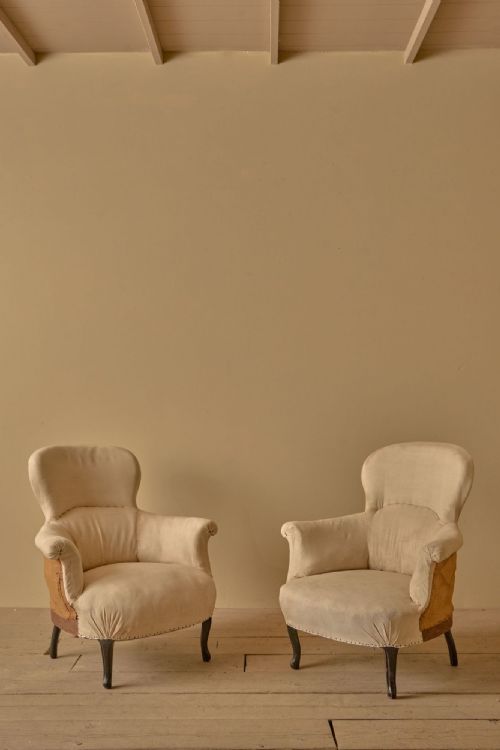
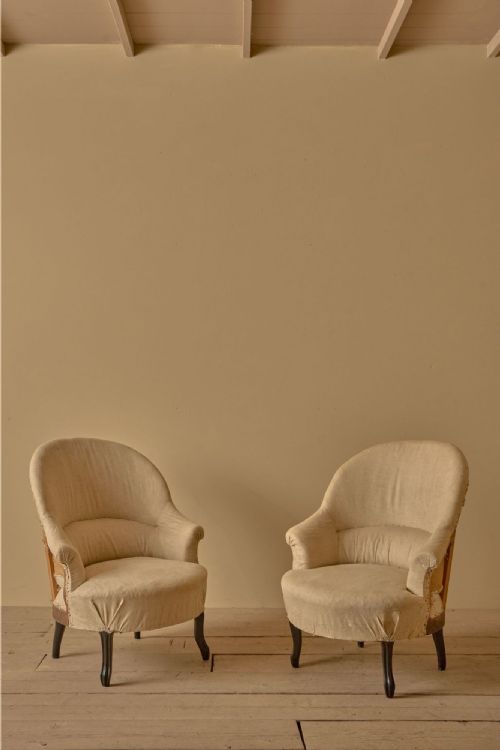
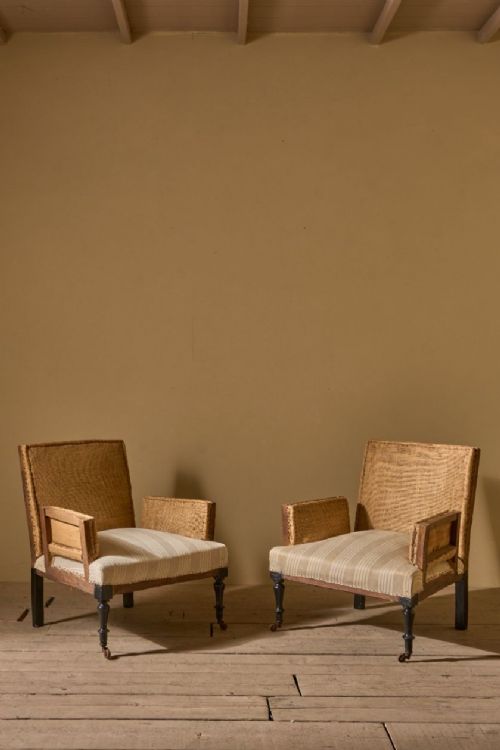
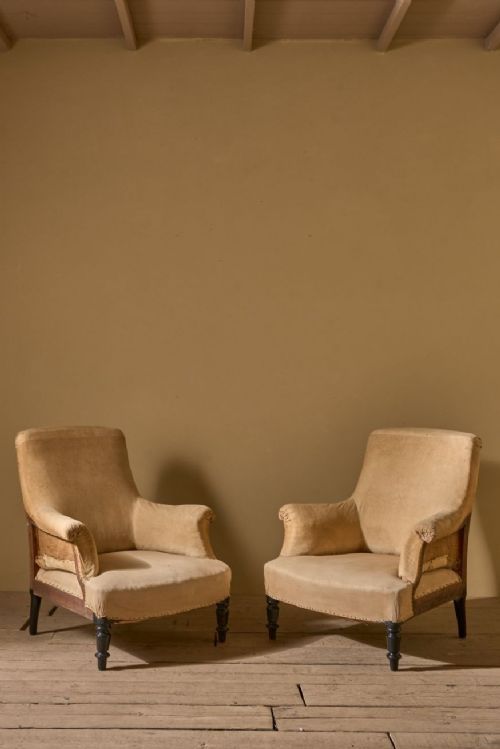

Napoleon III Armchair Pair
A napoleon iii armchair pair brings ornate French seating into a room, offering matching proportions and period charm.
Napoleon III Armchair Pair
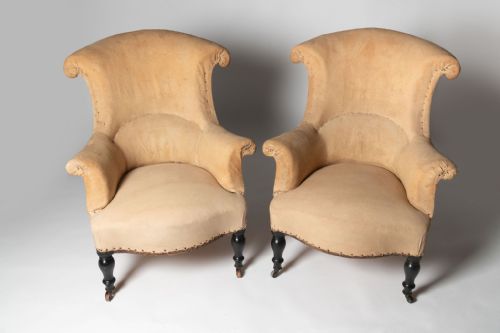
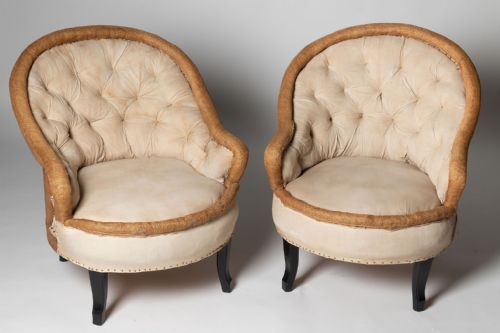
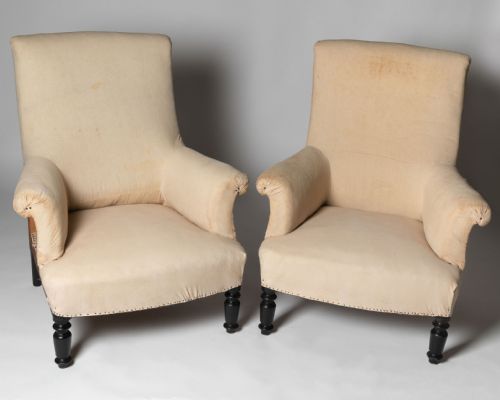
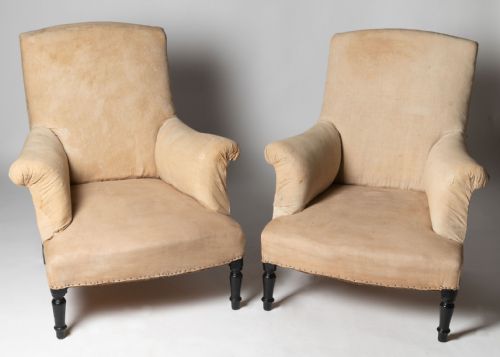
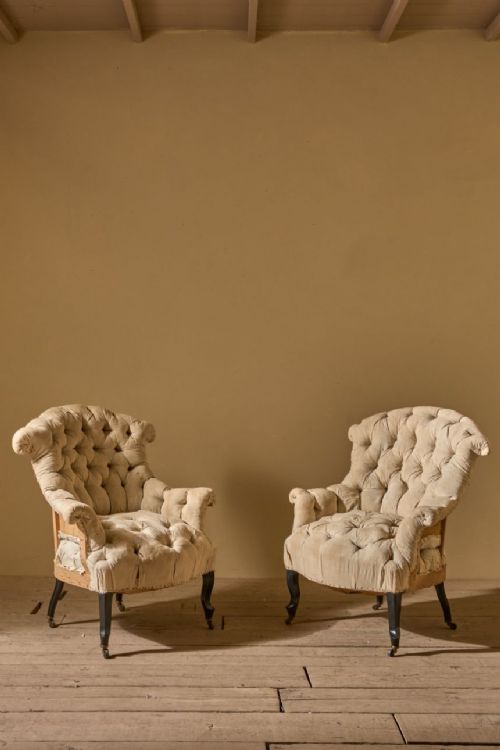
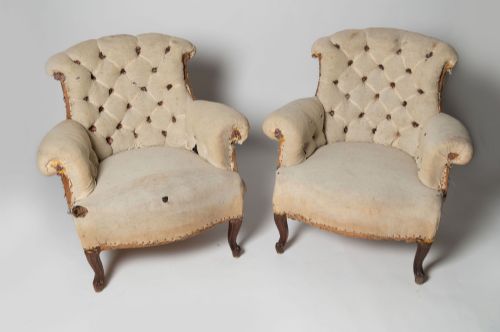
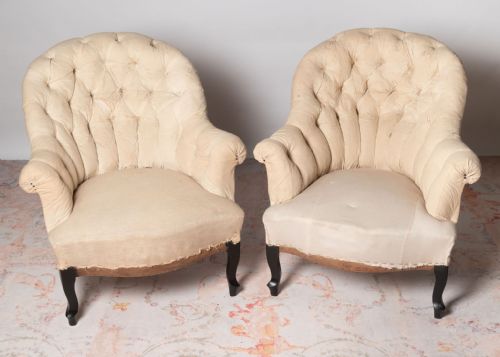
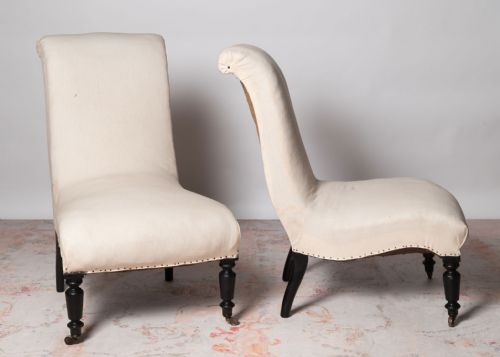
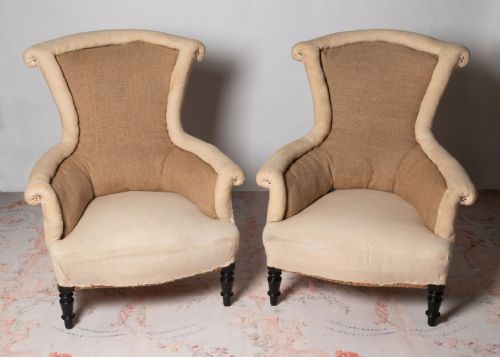
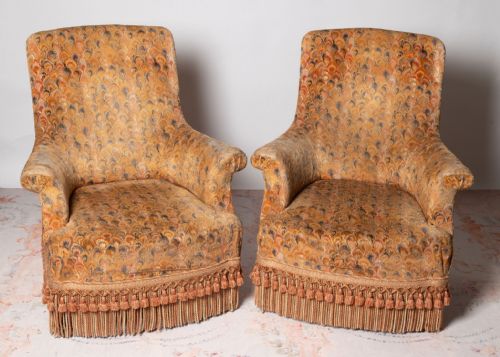
A napoleon iii armchair pair comprises matched French chairs from the nineteenth century, designed for salons and drawing rooms. Buyers seek these matching sets for symmetry and period character in formal interiors. The selection spans buttoned backs, plain square backs, and distinctive fishtail or piecrust shapes.
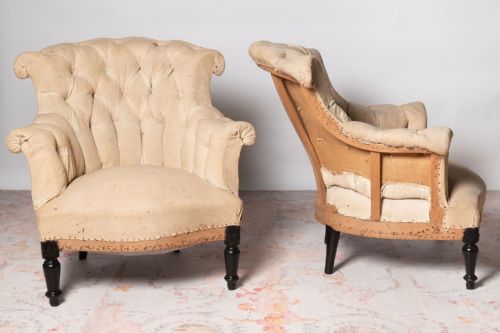
Most examples originate from the nineteenth century, including specific dates such as eighteen eighty and eighteen seventy. Forms range from large throne chairs to low slipper chairs and compact tub chairs. Frames often arrive ready for new upholstery or finished in calico, cotton, ticking, and hessian.
Materials and construction
Makers built the sturdy frames using beech, timber, and wood, occasionally incorporating ebonised finishes for darker contrast. Giltwood and applied gilding provided opulent surfaces on grander salon chairs and throne seating. Brass details and marquetry inlay appear on specific empire styles within the broader group.
Upholstery methods utilised traditional stuffing and springs beneath fabrics like cotton, calico, and green ticking. Buttoning techniques secured deep upholstery on curved, shield, and spoon backs. Many pieces survive with hessian under-layers, awaiting custom textile selection.
Napoleon III Armchair Pair Retail Price Guide 2026
Typical asking prices for napoleon iii armchair pair among the pieces listed under this phrase on Sellingantiques today, from the lower quarter to the upper quarter. They describe what is for sale here now, not the wider market.
Green ticking upholstery keeps appearing on nineteenth century square back frames, proving that nineteenth century French comfort had a remarkably practical stripe.
Distinguishing finer examples
The refinement of the carved wooden frame dictates the distinction between standard and superior pieces. Intricate giltwood surfaces and substantial proportions command greater presence than plain timber structures. Well-executed buttoning and balanced curves reflect higher craftsmanship.
Proportion and scale separate modest salon chairs from imposing throne chairs and large armchairs. The integrity of the original wood and the complexity of silhouettes like fishtail or piecrust designs define the upper tier of the range.
The Napoleon III Armchair Pair Glossary
- Giltwood
- Wood covered with a thin layer of gold leaf or gold paint. This finish creates a bright, reflective surface on formal nineteenth century frames.
- Calico
- A plain-woven cotton textile used as an inner lining or base cover. Many nineteenth century chairs retain this foundation layer before final upholstery.
- Hessian
- A coarse woven fabric made from jute fibres. It functions as strong foundational webbing and stuffing containment inside traditional seats.
- Marquetry
- Decorative inlay patterns formed by fitted pieces of veneer on wood surfaces. This technique appears on select nineteenth century empire frames.
- Slipper chair
- A low-seated upholstered chair originally used in bedrooms. These compact forms feature shorter legs and supportive padded backs.
Napoleon III Armchair Pair: Frequently Asked Questions
How were these chairs used originally?
These seating pairs furnished formal French salons, drawing rooms, and boudoirs during the nineteenth century. Pairs provided symmetrical arrangements for conversation and entertaining guests.
Larger throne chairs and padded armchairs offered status and comfort in reception spaces. Smaller slipper chairs served private dressing rooms.
What is a fishtail back?
A fishtail back refers to a distinctive upholstered shape curving outward at the top edge. This silhouette resembles the spread of a fish tail.
It adds an ornamental flourish to nineteenth century salon seating. The design appears frequently in buttoned configurations.
Can I reupholster these frames?
Many listed pieces arrive specifically prepared for new upholstery with traditional hessian or calico coverings. Buyers frequently select custom fabrics like ticking, cotton, or velvet to match modern interiors.
Traditional stuffing methods beneath the fabric maintain the correct nineteenth century profile. Professional upholsterers preserve the original spring systems and wooden contours.