




Naive School Oil Painting
A naive school oil painting offers a direct, unpretentious window into past lives, animals, and landscapes through untutored artistic hands.
Naive School Oil Painting
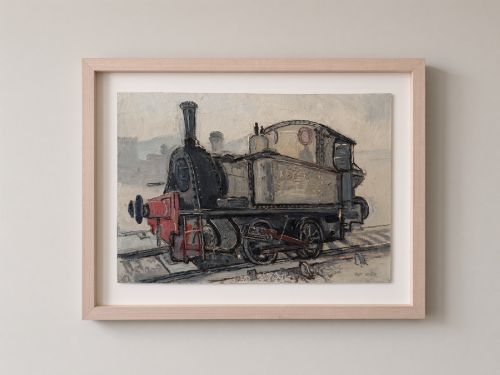
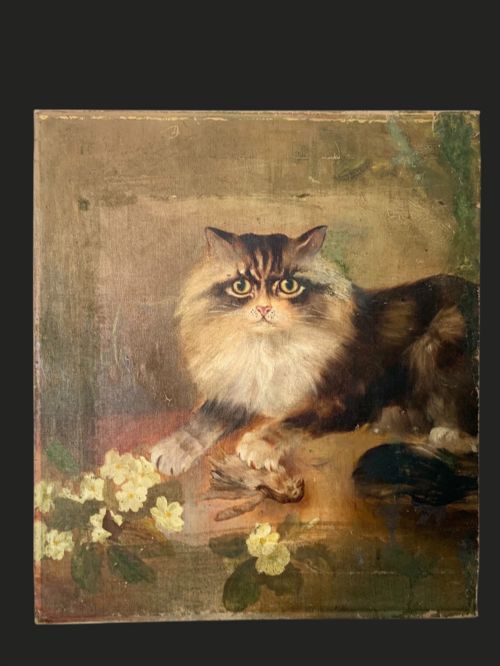
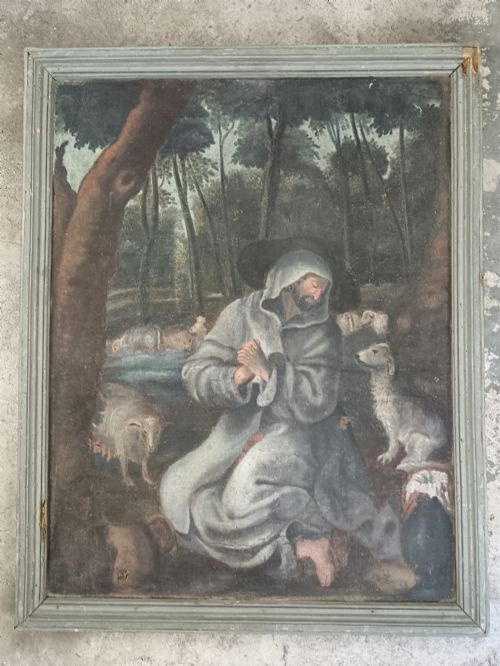
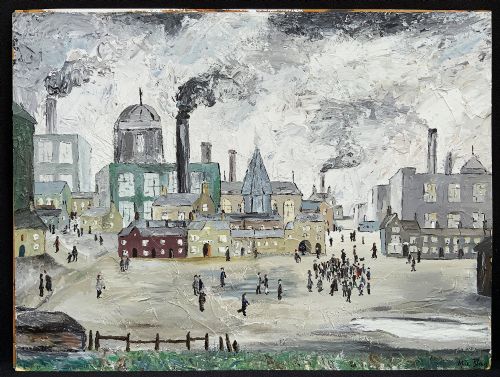
A naive school oil painting captures subjects with a charming disregard for formal academic perspective, proportion, and classical training. These works present straightforward visual records of portraits, animals, and rural scenes created outside mainstream artistic academies.
The pieces most frequently met on this page span the 18th century, the 19th century, and mid-century modern eras. They originate from British, English, Italian, Scandinavian, and French traditions.
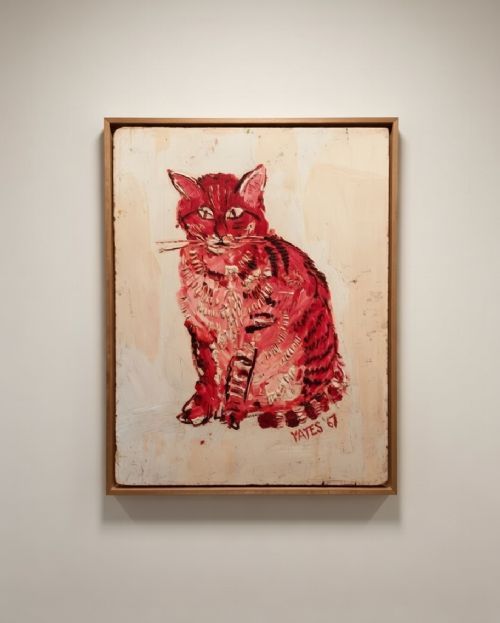
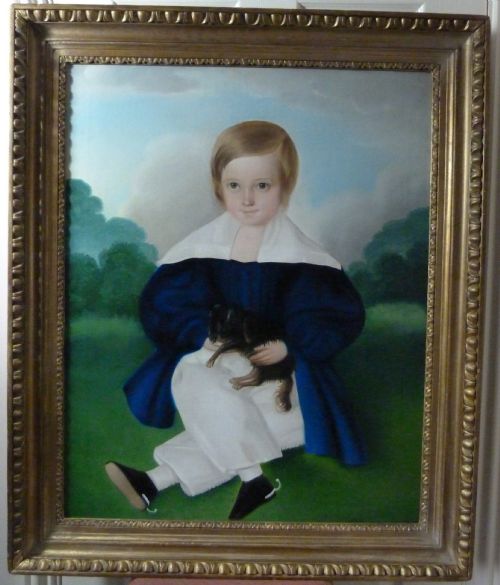
Collectors encounter animal studies, townscapes, and human portraits rendered with distinctive character. Works depicting cats, dogs, horses, and gentlemen appear alongside broader landscapes and industrial scenes.
Materials and Construction
Oil paint applied to canvas, wooden panels, board, or tinplate forms the primary construction of these works. Painters utilised available supports, sometimes working directly onto wood or prepared canvas surfaces.
Gilt wood frames often house the finished paintings, providing traditional borders that complement the oil on canvas or wooden panel supports. The tactile application of oil paint leaves visible brushwork and texture across the surface.
Naive School Oil Painting Retail Price Guide 2026
Typical asking prices for naive school oil painting among the pieces listed under this phrase on Sellingantiques today, from the lower quarter to the upper quarter. They describe what is for sale here now, not the wider market.
Listings feature works from the 18th, 19th, and 20th centuries, executed in oil on canvas, wood, board, and tinplate.
Assessing Quality and Execution
Quality in a naive school oil painting rests upon the strength of the composition and the expressive power of the brushwork. Untutored artists rely entirely on innate observation rather than academic rules, making genuine character vital.
The integrity of the surface material, whether canvas, wood, or tinplate, and the preservation of the original oil paint layer distinguish superior examples. Strong draughtsmanship within a primitive style elevates a piece above ordinary decorative work.
Fred Yates
The Naive School Oil Painting Glossary
- Naive Art
- Art produced by a self-taught artist with little or no formal training in perspective and proportion. It is characterised by a childlike simplicity and direct emotional impact.
- Pentimento
- An alteration in a painting, evidenced by previous strokes or shapes that have been painted over. This reveals the artist's changing composition during the creative process.
- Oil Paint
- A slow-drying paint made by mixing pigments with a drying oil, commonly linseed oil. It allows for rich blending and textured applications across canvas and wooden panels.
- Tinplate
- Thin sheet iron or steel coated with tin, used as an uncommon base for painting in certain regional traditions. It provides a rigid, metallic surface for oil media.
- Provincial School
- Art created in regional areas away from metropolitan artistic centres. These works often reflect local tastes and domestic traditions rather than academic fashions.
Naive School Oil Painting: Frequently Asked Questions
What is naive art?
Naive art is creative work produced by individuals without formal academic training. These artists develop personal methods of perspective and scale.
The resulting images possess a direct, honest charm that contrasts with academic painting.
How old are these paintings?
The pieces seen here range from the 18th century through the 19th century and into the mid-20th century. Dates are attributed based on stylistic evidence, subjects, and materials.
English and European provincial works from the Regency era and the 1850s appear frequently.
What are they painted on?
Artists used traditional canvas, wooden panels, board, and occasionally tinplate. The choice of support often depends on the regional origin and the period.
Many works retain their original gilt wood frames that match the age of the painting.
Where did these pieces originate?
These works come from various European traditions, including English, Italian, French, and Scandinavian schools. Provincial workshops produced much of this material.
Regional characteristics often help identify the specific geographic background of a painting.
How should I display them?
Display these paintings away from direct sunlight to protect the oil pigments and canvas supports. A stable indoor environment prevents wood panels or tinplate from warping.
Pairing them with period interiors or mixing them into modern spaces highlights their graphic qualities.