






Naive School Art
Naive school art captures direct, unpretentious charm through straightforward brushwork and honest portraiture or landscape observation.
Naive School Art
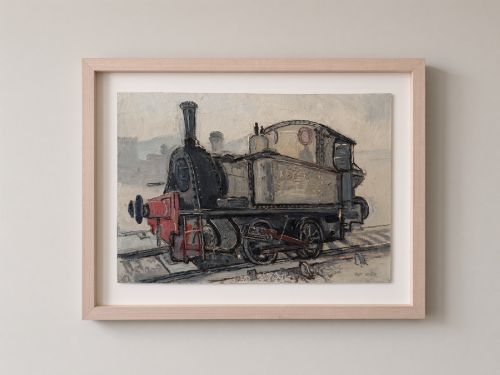
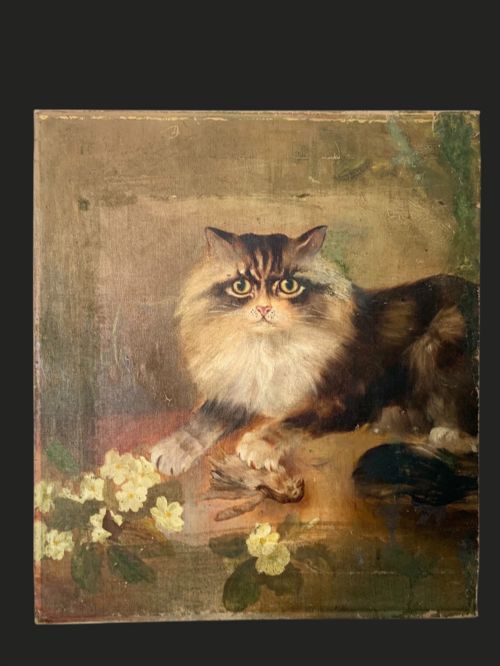
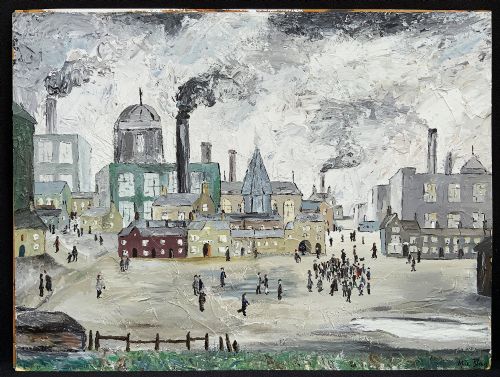
Naive school art encompasses paintings executed outside formal academic traditions, often by provincial or self-taught artists. When you search for naive school art, you encounter compelling portraits of people and animals alongside industrial townscapes and rural landscapes.
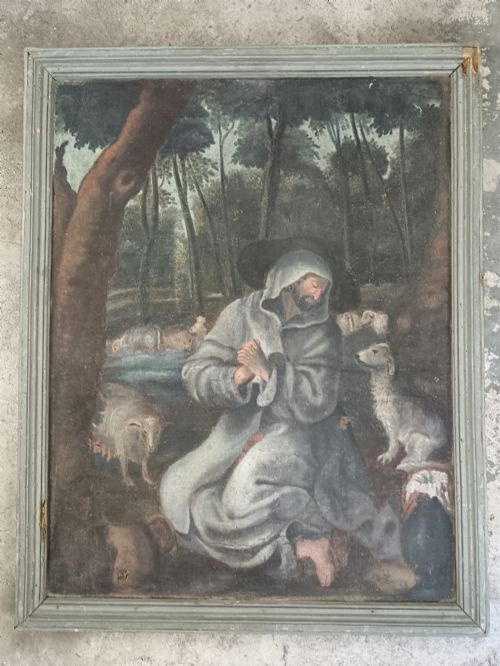
The pieces listed here span the eighteenth, nineteenth, and twentieth centuries, with a strong representation of nineteenth-century portraiture and mid-century British works. You will frequently find oil paint applied to canvas, board, or paper, capturing subjects with immediate visual honesty.
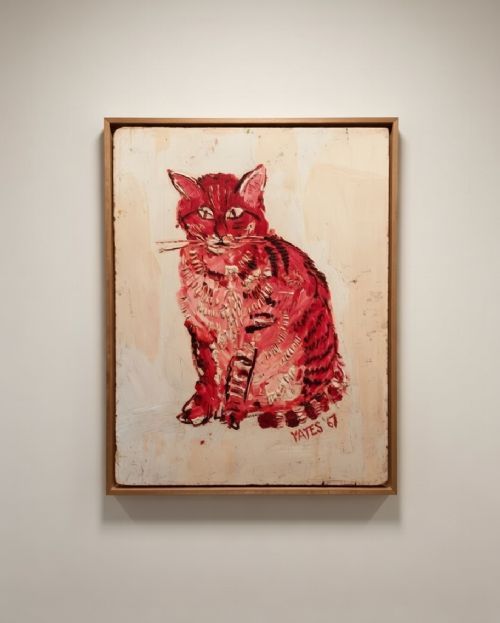
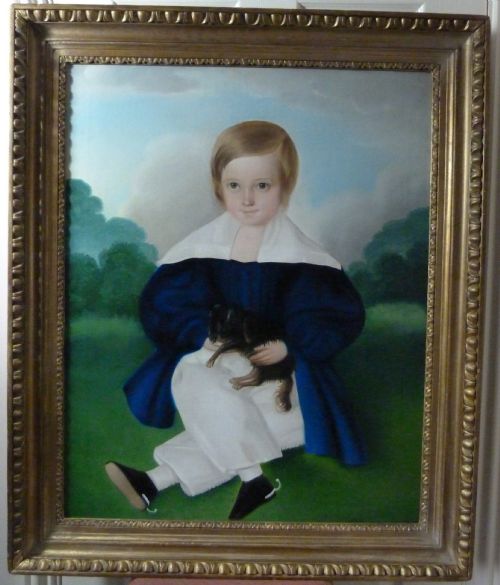
Portraits of sitters, domestic pets like cats and border collies, and agricultural scenes dominate the selection. These works offer a direct window into historical provincial life without the idealized polish of academic art.
Materials and construction
These works rely on traditional supports such as canvas, wood panels, and paper, often painted in oil. Artists utilised straightforward application techniques, sometimes showing visible brushwork and under-drawing like pentimento.
Frames often feature gilt details that complement the oil paint on canvas or board. The physical construction remains utilitarian, reflecting the provincial workshops and domestic settings where the artists worked.
Naive School Art Retail Price Guide 2026
Typical asking prices for naive school art among the pieces listed under this phrase on Sellingantiques today, from the lower quarter to the upper quarter. They describe what is for sale here now, not the wider market.
Assessing quality and character
Quality rests upon the strength of composition and the expressive engagement with the subject rather than adherence to academic perspective. Stronger pieces convey personality and atmosphere with bold, unhesitating brushwork.
The handling of light and the preservation of the original surface determine the visual impact of an oil painting on board or canvas. Works retaining their initial character without excessive restoration offer the most compelling historical connection.
Fred Yates
The Naive School Art Glossary
- Pentimento
- A visible trace of an earlier painting,-underpainting, or correction that has shown through the top layer of paint over time.
- Provincial school
- Art produced in regional areas away from metropolitan academies, often showing distinct local characteristics.
- Oil on board
- A painting technique where oil paint is applied directly to a rigid wooden or cardboard panel rather than stretched canvas.
- Gilt
- A thin layer of gold leaf or gold paint applied to wooden frames or decorative surfaces.
Naive School Art: Frequently Asked Questions
What is naive school art?
Naive school art consists of paintings created by artists without formal academic training, prioritising direct expression over strict rules of perspective.
These pieces often depict everyday portraits, animals, and landscapes with an honest and charming simplicity.
How old are these paintings?
The works span multiple eras, ranging from eighteenth-century European pieces to nineteenth-century portraits and mid-twentieth-century British townscapes.
Each period brings its own distinct choice of materials, such as oil on board or canvas.
How do I display these paintings?
Naive paintings suit various interior settings, often providing a striking focal point when hung against plain walls.
Their unpretentious nature allows them to sit comfortably alongside both traditional antiques and modern furnishings.
What subjects are most common?
Portraits of individuals and domestic animals, such as cats and dogs, appear frequently alongside rural landscapes and industrial townscapes.
These subjects record the everyday surroundings and companions of people from past centuries.