






Naive Oil Painting Portrait
A naive oil painting portrait captures human and animal subjects with direct charm, offering an honest window into past lives.
Naive Oil Painting Portrait
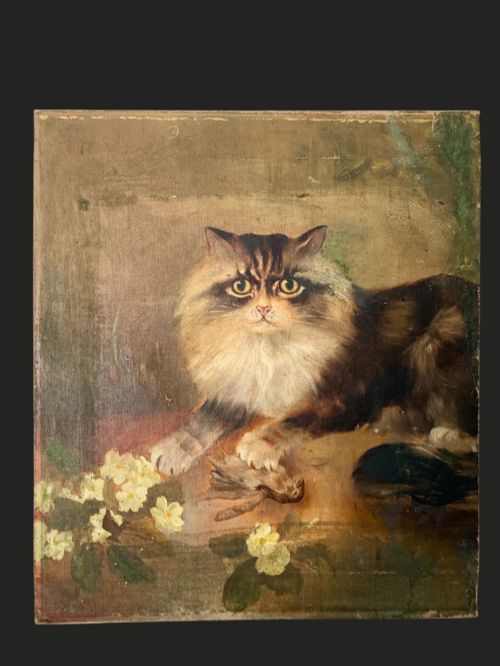
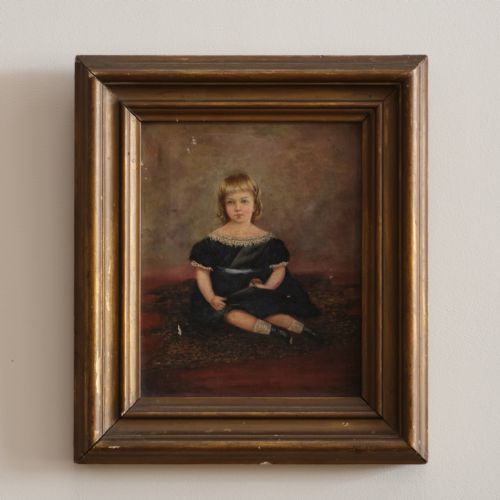
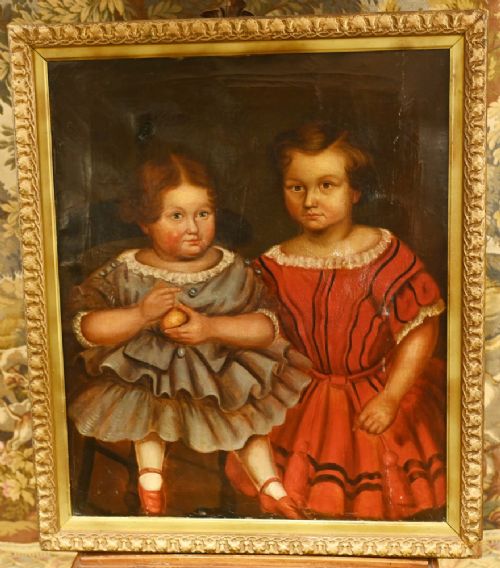
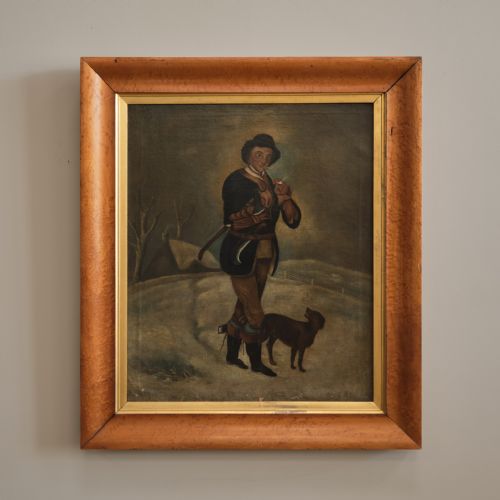
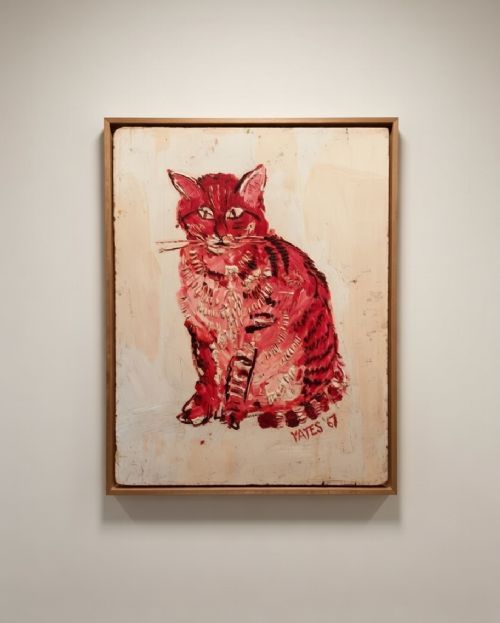
A naive oil painting portrait depicts individuals, children, gentlemen, ladies, and animals with a charming disregard for formal academic proportion and perspective. When searching this phrase, buyers encounter works originating from various periods including the eighteenth century, the nineteenth century, and mid-twentieth century expressions.
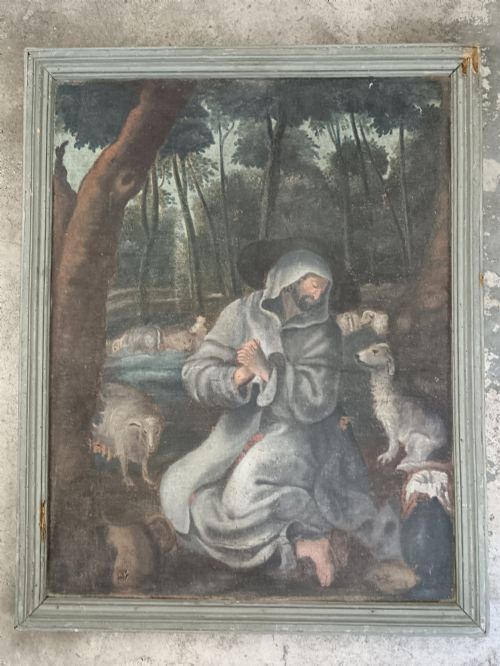
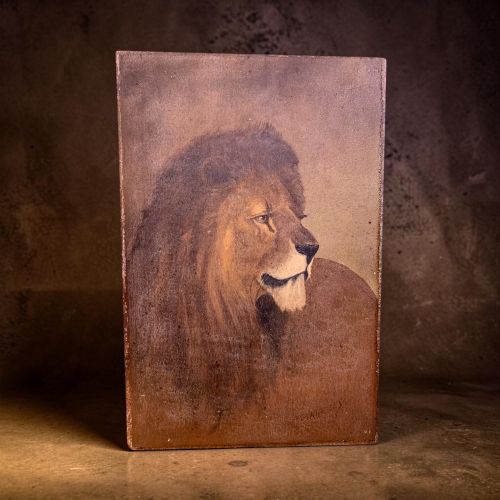
The subjects frequently include young children, gentlemen in cravats, ladies in blue dresses, and family groups alongside domestic pets or farm animals like cats, dogs, and cattle. These pieces emerge from diverse traditions such as the English naive school, Victorian folk art, American primitive, and European provincial schools.
Most examples found here date from the nineteenth century, executed by self-taught or provincial artists working outside metropolitan academies. Their appeal lies in the unvarnished sincerity of the rendering, capturing character and expression without the formalities of high academic portraiture.
Materials and Methods
These works are painted using oil paint applied to supports such as canvas, wood panels, board, or tinplate. The handling of the medium is straightforward, relying on oil pigments to build flat areas of colour and simple tonal contrasts.
Preparation of the support often involved simple priming, over which the artist blocked out the subject with direct brushstrokes. The physical materials reflect regional availability, utilising local timber panels or standard woven canvas stretched for provincial commissions.
Listings feature works executed on canvas, wood panels, board, and tinplate using oil paint.
Assessing Quality
Quality in these portraits rests upon the strength of character captured in the subject's face and the confidence of the brushwork. An artist with limited formal training could still achieve a striking, memorable presence through bold line work and expressive gaze.
Compositional balance and the preservation of the original surface further distinguish superior examples. Works that retain their untouched pigment and authentic texture without heavy restoration offer a more direct connection to the original hand of the maker.
J Brown·E H Windred·Fred Yates
The Naive Oil Painting Portrait Glossary
- Naive art
- Art produced by a person lacking formal artistic training, characterised by a childlike simplicity in perspective and proportion. This style prioritises expressive directness over academic correctness.
- Folk art
- Artistic work created within a traditional culture, often by rural artisans or self-taught painters. It encompasses utilitarian objects and portraits that reflect community life.
- Oil on canvas
- A painting technique where pigmented oil is suspended in a drying oil and applied to a stretched fabric surface. This combination allows for rich colour depth and blending.
- Oil on panel
- A painting executed on a wooden board or flat wooden support rather than fabric. Panel paintings often provide a rigid, stable ground for early provincial works.
- Pentimento
- An alteration in a painting, evidenced by previous strokes or shapes showing through the top layer of paint. This phenomenon reveals the artist changing their mind during the creative process.
Naive Oil Painting Portrait: Frequently Asked Questions
What is a naive portrait?
A naive portrait is a painting created by an artist without formal academic training, often resulting in flat perspective and direct expression.
These pieces focus on the raw character of the sitter rather than strict anatomical correctness.
How do I date these paintings?
Dating relies upon costume details, hair styling, the stretcher construction of the canvas, and the type of wood or panel used.
Provincial framing and handwritten inscriptions on the reverse also offer clues to the period.
Where were these portraits displayed?
Historically, these works hung in modest homes, provincial parlours, and country houses as records of family members and beloved animals.
Today, they suit domestic interiors seeking historic character and authentic folk art charm.
Are animals common in naive art?
Animals frequently appear alongside human subjects or as the primary focus, depicting prized pets, livestock, and racing pigeons.
These depictions highlight the close relationship between rural communities and their animals.