




Mythological Plaque
A mythological plaque brings classical gods and heroic narratives onto your wall through carved wood, painted porcelain, and cast metal.
Mythological Plaque
A mythological plaque spans centuries of craftsmanship, presenting divine figures and ancient stories across materials like porcelain, bronze, and timber. When you search for a mythological plaque, you encounter wall plaques, decorative plates, and relief sculptures that draw heavily from classical and neoclassical traditions.
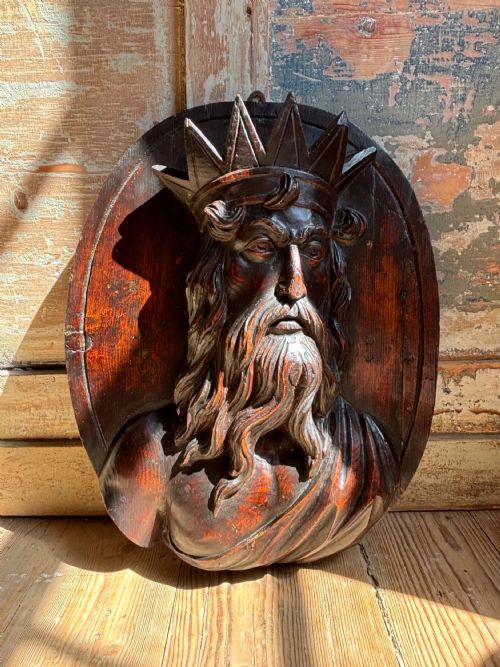
The nineteenth century yields the highest concentration of these objects, particularly Vienna porcelain chargers and bronze Grand Tour pieces depicting deities such as Neptune, Venus, and Diana. Earlier eighteenth-century examples lean towards carved wood reliefs depicting classical scenes.
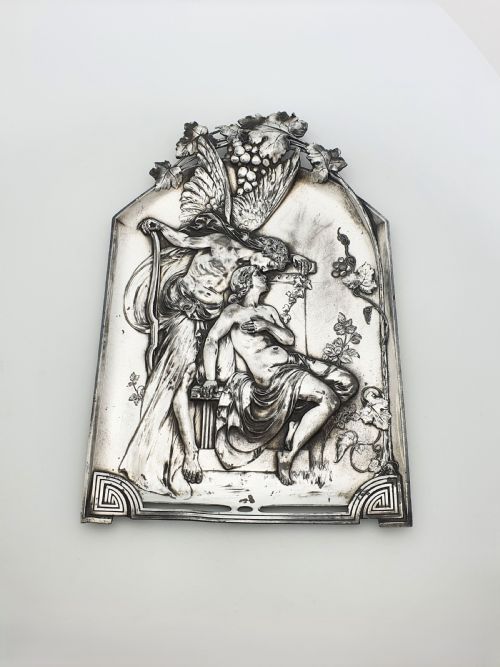
Art Nouveau interpretations also appear, blending mythological subjects with organic metalwork or delicate ceramic forms. These works function primarily as decorative art for display on walls or within cabinets.
Materials and Techniques
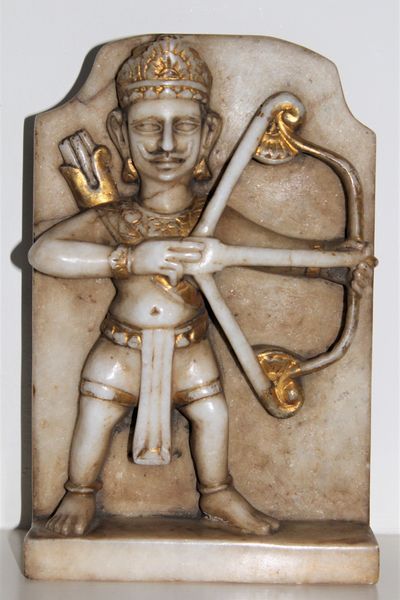
Carving in wood and marble forms the basis of many early pieces, utilising oak and timber to render deep relief figures with anatomical detail. Metalwork relies on bronze casting and silver plating, often augmented with bronzed copper or gold leaf to highlight narrative elements.
Ceramic production centres on porcelain painting and transfer printing, seen clearly in Vienna chargers and plates featuring elaborate mythological scenes. Ebonised timber frames and panels frequently house these metal and porcelain reliefs, adding structural contrast to the primary material.
Mythological Plaque Retail Price Guide 2026
Typical asking prices for mythological plaque among the pieces listed under this phrase on Sellingantiques today, from the lower quarter to the upper quarter. They describe what is for sale here now, not the wider market.
Listings span the eighteenth and nineteenth centuries, featuring materials such as porcelain, bronze, oak, and silver plate.
Assessing Quality
Quality rests upon the crispness of the carving, the finesse of the metal cast, or the precision of the hand-painted porcelain narrative. Superior pieces display intricate control over facial expressions, drapery folds, and mythological attributes.
The integration of the material dictates the overall presence of the object, whether through the depth achieved in a wooden relief or the glaze quality on a porcelain charger. Signed works or those bearing original maker labels retain a distinct advantage in historical documentation.
WMF·Royal Vienna·Carlhian and Corbiere London
The Mythological Plaque Glossary
- Neoclassical
- A style drawing on the art of classical antiquity, focusing on proportion, symmetry, and mythological themes. This aesthetic dominates the nineteenth-century plaques found in this collection.
- Grand Tour
- A cultural journey undertaken by wealthy young Europeans to study classical art, producing souvenir bronzes and plaques. These pieces often replicate famous antique sculptures for travellers.
- Charger
- A large ceremonial or decorative plate designed for display rather than dining. They frequently serve as canvases for detailed mythological paintings in porcelain.
- Relief
- A sculptural technique where figures project from a flat background. High relief stands out sharply from the surface, while low relief remains flatter.
- Ebonised
- Wood treated to resemble ebony through staining or finishing. This dark surface creates a strong visual frame for porcelain or metal inserts.
Mythological Plaque: Frequently Asked Questions
What materials are these plaques made from?
These decorative objects utilise porcelain, bronze, silver plate, marble, and carved timber. Many incorporate gold leaf or ebonised wood to enhance their visual impact.
Porcelain chargers and cast metal plates represent the most common ceramic and metallic forms on this page.
How do I identify a Grand Tour piece?
Grand Tour pieces originate from the nineteenth century and typically consist of bronze plates or plaques depicting classical subjects. They were collected by travellers touring ancient sites in Italy and Greece.
These items focus heavily on mythological narratives to reflect the owner's classical education and refined taste.
Where should I hang a wall plaque?
Wall plaques require stable wall fixings suited to their weight, particularly heavier bronze casts and carved marble panels. Display them at eye level in reception rooms or studies where their narrative detail can be appreciated.
Keep them away from direct sunlight to protect painted porcelain surfaces and gilded highlights.
How do I distinguish eighteenth and nineteenth-century pieces?
Eighteenth-century examples rely primarily on hand-carved wood reliefs depicting classical scenes with deep, traditional tooling. Nineteenth-century items introduce refined Vienna porcelain painting, Art Nouveau metalwork, and industrial bronze casting techniques.
Examining the reverse of the plaque often reveals mounting methods and factory marks distinctive to the later period.