




Mythological Figural Bronze
Mythological figural bronze works are cast metal sculptures depicting classical deities and figures, bringing dramatic narrative and rich patination to a room.
Mythological Figural Bronze
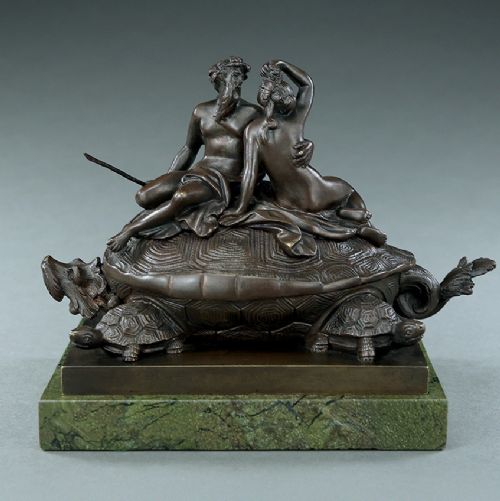
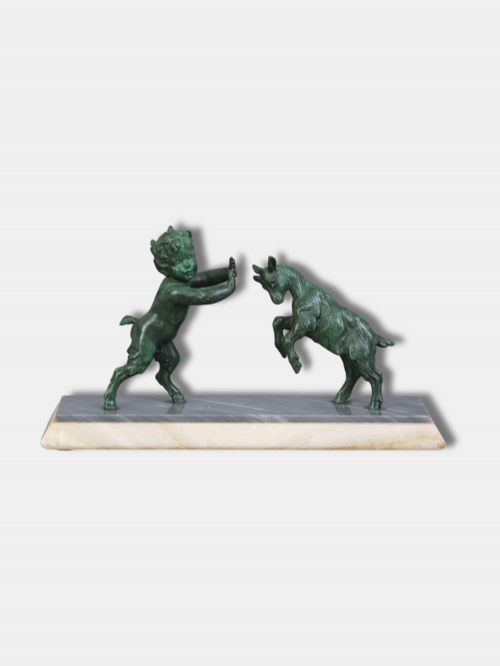
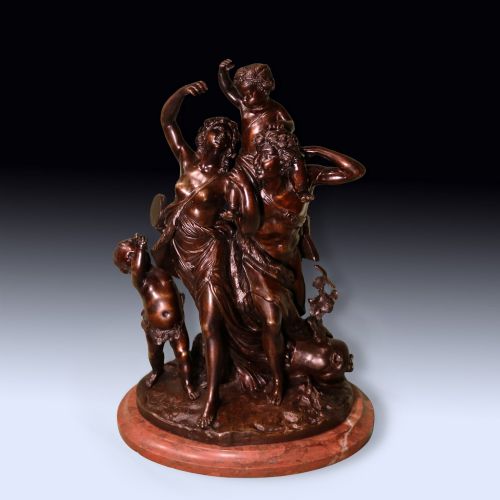
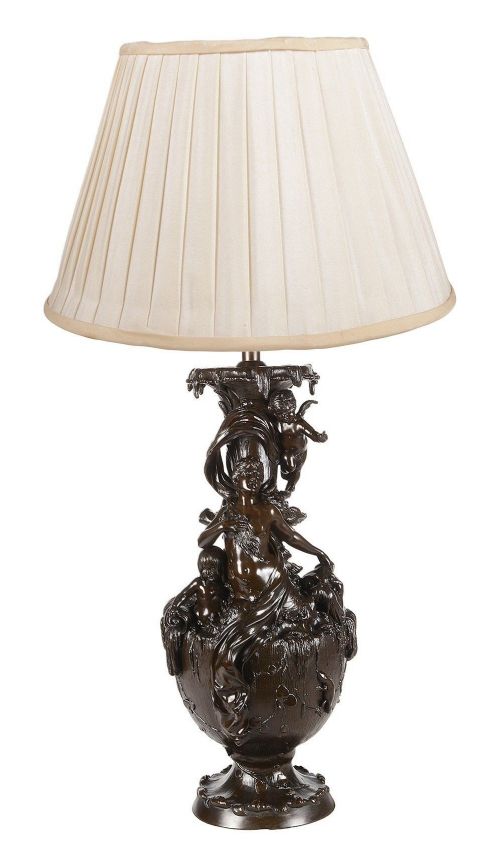
When you search for mythological figural bronze, you encounter cast metal sculptures, inkwells, table lamps, and candlesticks depicting ancient deities, fauns, nymphs, and classical heroes. These objects draw heavily on classical mythology, featuring subjects such as Bacchus, Amphitrite, Pan, and the abduction of a Sabine woman.
The pieces appearing on this page span from the eighteenth century through to the early twentieth century, showing strong ties to the nineteenth century, eighteen-eighties, and eighteen-nineties. You will regularly find works executed in styles such as neoclassical, French rococo revival, and art nouveau.
Many of these works reference earlier master sculptors, with listings specifically citing figures such as Clodion, Giambologna, and Louis Auguste Moreau. The forms range from grand figurative groups mounted on marble pedestals down to functional desk accessories like inkwells and candlesticks.
What varies in quality
The refinement of the casting and the crispness of the chasing separate standard production from superior examples. Finer pieces retain sharp definition in facial expressions, foliage, and musculature without losing detail to over-polishing.
The quality of the base materials also differentiates the range, particularly the selection, density, and polish of the marble pedestals used to support the bronze figures. Additionally, the depth, consistency, and preservation of the original patination significantly influence the visual authority of a piece.
Materials paired with bronze across the inventory include black marble, rouge marble, ormolu, brass, and fabric elements.
Emile Carlier·Giambologna·Louis Auguste Moreau
The Mythological Figural Bronze Glossary
- Patinated bronze
- Bronze that has been treated with chemical solutions to produce a specific surface colour and finish, ranging from deep brown to greenish hues. This treatment protects the metal and enhances tonal contrast.
- Ormolu
- Gilt bronze produced by applying a mercury and gold amalgam to a bronze base and heating it to drive off the mercury. This technique imparts a rich golden sheen common in decorative mounts.
- Neoclassical
- A style originating in the mid-eighteenth century inspired by the art and culture of classical antiquity. It prioritises symmetry, proportion, and restrained classical dignity.
- Putto
- A chubby male child figure often depicted in classical art, sometimes winged, resembling a cupid or cherub. These figures frequently accompany larger deities in mythological groups.
Mythological Figural Bronze: Frequently Asked Questions
What is a mythological figural bronze?
A mythological figural bronze is a cast metal sculpture or functional object depicting characters and narratives from classical mythology, such as gods, nymphs, and satyrs.
These pieces were produced primarily during the eighteenth and nineteenth centuries, drawing heavily on classical and neoclassical design traditions.
How do I identify the style?
You can identify the style by looking at the subject matter, drapery, and architectural or sculptural motifs, which often reference ancient Greek and Roman art.
Many nineteenth-century pieces also incorporate specific revival movements, such as French rococo or art nouveau, influencing the base designs and surface details.
Are these bronzes mounted on marble?
Many of these sculptures and decorative objects are mounted on heavy bases made from black marble, rouge marble, or standard white marble.
These stone pedestals provide both physical stability and a contrasting visual frame for the patinated bronze figures above.
How were these objects used originally?
While many pieces served purely as sculptural desk ornaments or large statues, others were integrated into functional household items.
You will find figures incorporated into candlesticks, inkwells, and table lamps, combining classical narrative art with practical domestic utility.