



Muted Landscape Picture
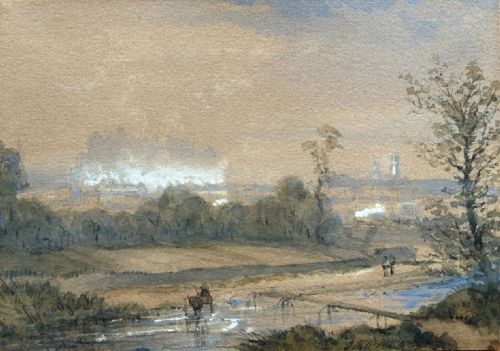
A muted landscape picture brings quiet restraint to a room through subdued palettes and gentle atmospheric tones.
Muted Landscape Picture
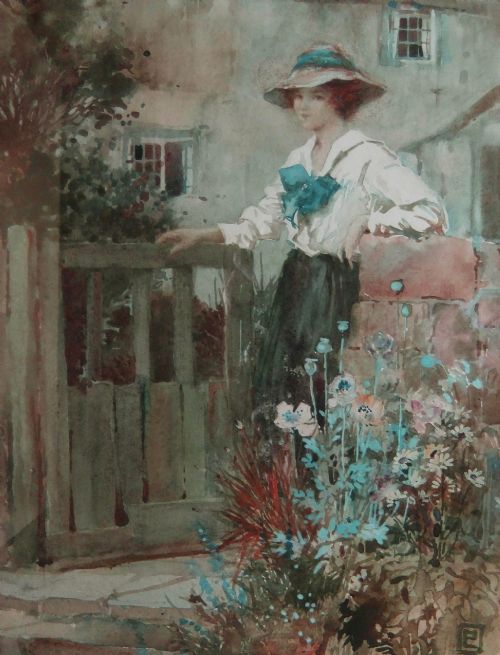
A muted landscape picture encompasses original artworks created across the nineteenth and twentieth centuries, capturing subdued rural, coastal, and urban scenes. Buyers exploring this category encounter framed pieces rendered in subtle tones rather than vibrant hues.
The selection on this page leans heavily toward watercolours and oil paintings originating from British and European artists. These works frequently depict harbours, cottages, rivers, and quiet country lanes executed in softer, understated pigments.
Dating ranges from the Victorian period through to post-war years, reflecting changing artistic movements including British Impressionism and Post-Impressionism. Each piece offers a window into historical topography rendered with a calm, atmospheric touch.
How they were made
Artists utilised watercolour pigment on paper or oil paint on canvas and board, often building compositions with restrained brushwork to achieve subdued tonal harmonies. Paper supports frequently show the grain through thin washes, whilst oil works employ textured applications on board or canvas.
Frames incorporate wood and glass to protect delicate paper surfaces from moisture and handling over time. The combination of traditional mounting materials anchors these works firmly within their respective historical periods.
Several artists preferred painting stormy coastal tides whilst enduring the bracing winds of the Yorkshire and Norfolk shores.
What varies in quality
Quality rests upon the artist's handling of light, atmospheric depth, and tonal balance within the restrained palette. Superior works capture a palpable sense of place and weather through confident brushwork rather than mere technical precision.
The condition of the paper, pigment stability, and the integrity of the original frame influence the overall standard. Works that retain their original subtle hues without excessive fading or discoloration stand at the upper end of the range.
Kenneth Cozens·John R Prentice·Percy Lancaster·Alfred George Morgan·Gyrth Russell·Arthur Reginald Smith·Cuthbert Crossley·Sir Thomas Newenham Dean·Fred Lawson·James Orrock·Percy Robertson·James Watson·Louie Stanley Maurice Prince·Frederick William Hattersley·John Mitchell·Charles Harmony Harrison·Kate E Booth·A Winter Shaw·Hirst Walker·Fred Stead·Angus Rands·George Faulkner Wetherbee·William Greaves·Clarence Woodburn·Owen Bowen
The Muted Landscape Picture Glossary
- Watercolour
- A paint consisting of soluble pigment suspended in a water-based solution, applied to paper to create translucent washes. It allows light from the white paper to reflect back through the pigment layers.
- Canvas
- A heavy woven fabric stretched across a wooden frame to serve as a sturdy foundation for oil paintings. It provides a flexible yet durable surface for textured pigment application.
- Impressionism
- An artistic style characterised by relatively small, thin, yet visible brush strokes and an emphasis on accurate depiction of light in its changing qualities. It emerged in the nineteenth century and influenced subsequent British landscape painting.
- Board
- A rigid flat panel made from wood pulp or timber, utilised as a sturdy support for oil paintings instead of stretched fabric. It offers a firm surface that withstands heavy pigment application.
Muted Landscape Picture: Frequently Asked Questions
How do I hang a watercolour?
Watercolours require careful placement away from direct sunlight to prevent the subtle pigments from fading over time. Utilising UV-protective glass during framing helps safeguard the paper and paint.
Ensure the picture hangs on an interior wall where moisture and temperature fluctuations remain minimal. This protects both the paper support and the wooden frame from environmental stress.
What defines a muted palette?
A muted palette relies on subdued greys, earthy browns, soft blues, and muted greens rather than bright primary colours. Artists use these understated tones to evoke quiet weather and atmospheric calm.
Such colour schemes create a restful visual presence in domestic spaces. They allow the subtle details of brushwork and topography to take precedence over bright pigments.
How do I date an antique painting?
Dating involves examining the artist's active period, the style of the brushwork, and the materials used in the support. Signatures, dates inscribed on the reverse, and historical subject matter offer reliable clues.
Framing materials and backing papers also provide chronological markers. Comparing the style to documented works from specific decades helps narrow down the origin.
Are oil paintings on board durable?
Oil paint on wooden board forms a stable surface when properly cured and kept in stable environmental conditions. The rigid backing prevents the flexing that sometimes affects stretched canvas.
Protecting the board from dampness ensures the wood remains sound. These pieces require minimal maintenance beyond regular gentle dusting of the frame.