
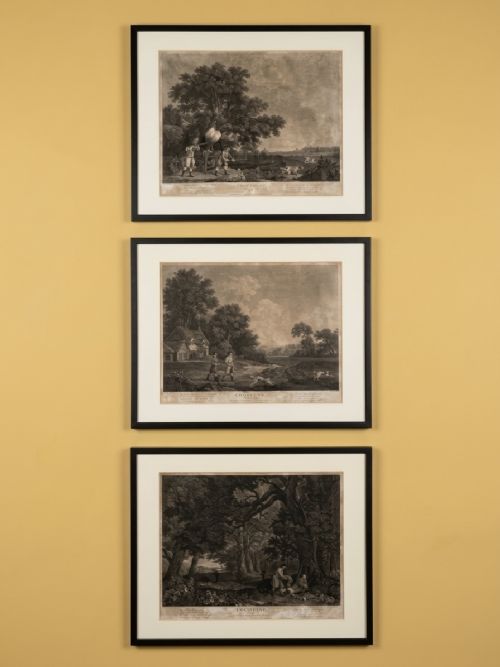
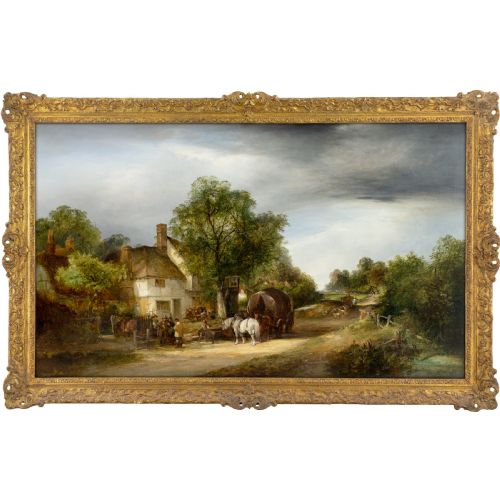
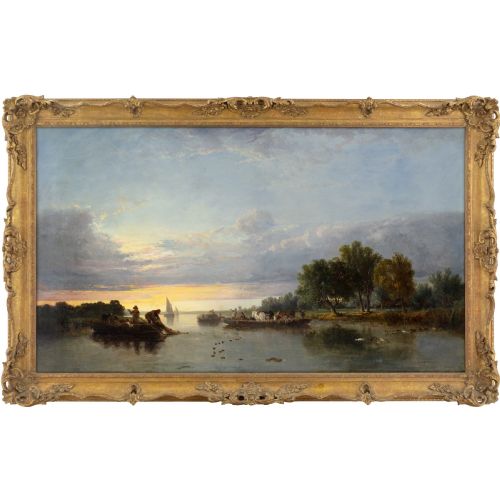

Antique English Wall Art
Antique English wall art spans centuries of portraiture and landscape, offering domestic spaces historical depth through canvas, paper and carved wood.
Antique English Wall Art
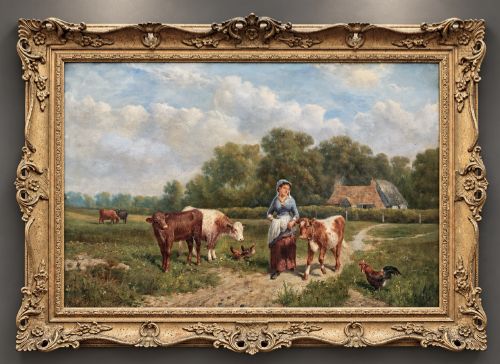
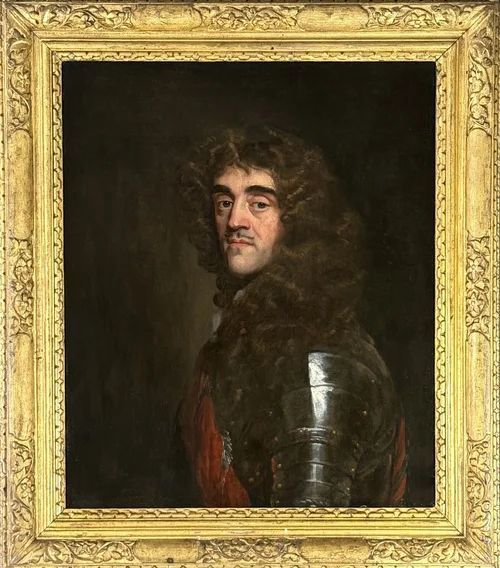
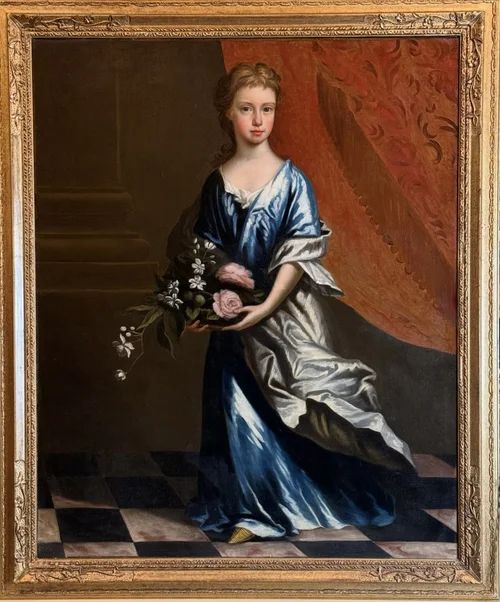
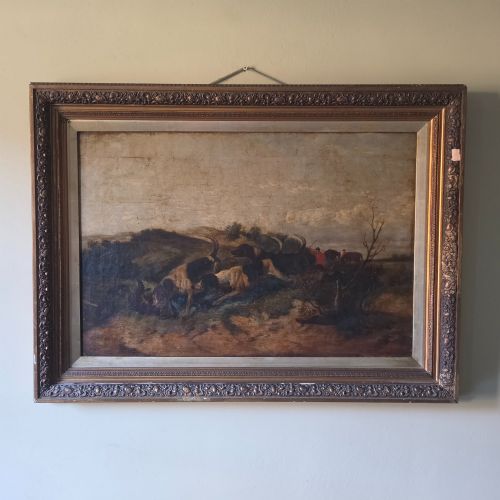
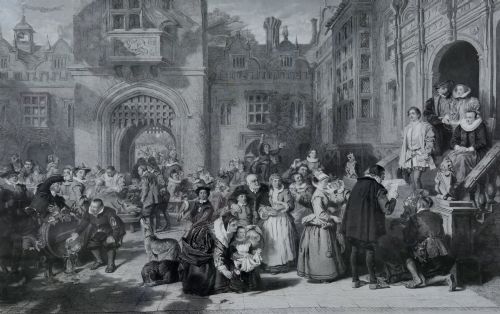
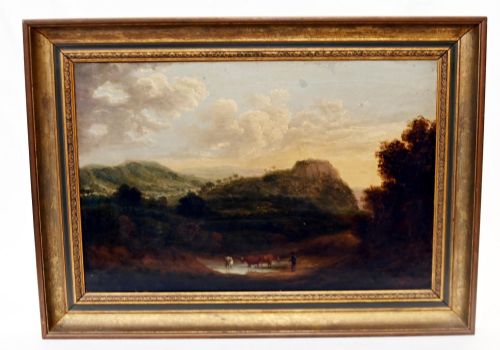
Antique English wall art encompasses centuries of fine visual culture, ranging from formal 17th-century oil portraits of noblewomen to 19th-century watercolours of coastal scenes and rural landscapes.
Beyond paintings, historical wall decor includes carved wooden mirrors, brass wall lights, copper frames and cartography such as 17th-century county maps.
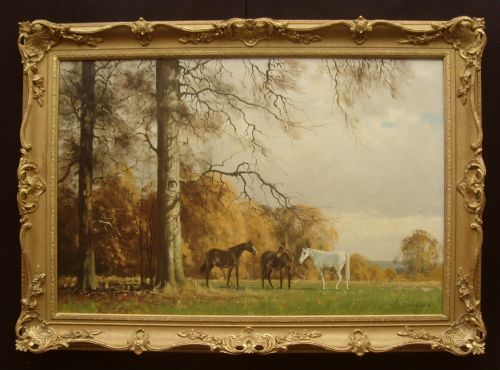
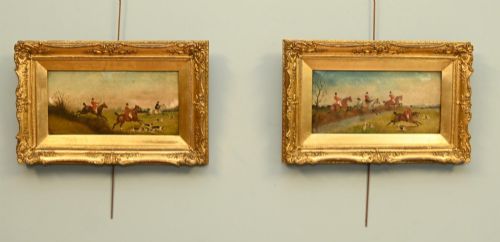
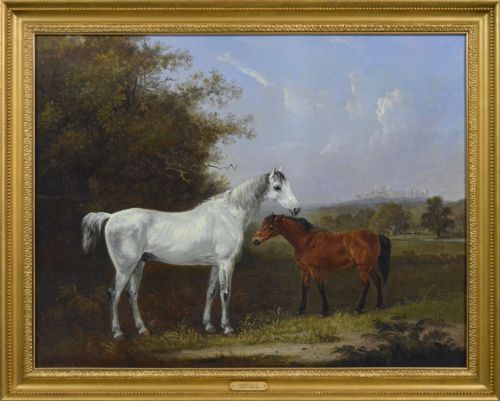
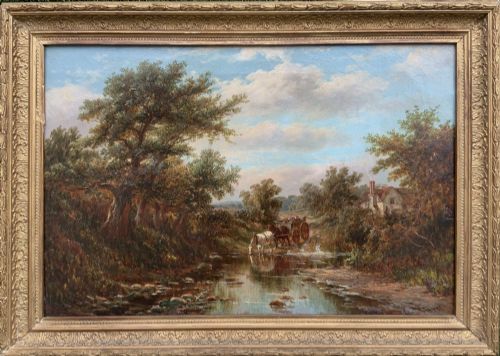
Collectors encounter diverse subjects spanning equine studies, botanical portraits, pastoral harvesting scenes and maritime views by recorded regional schools.
How they were made
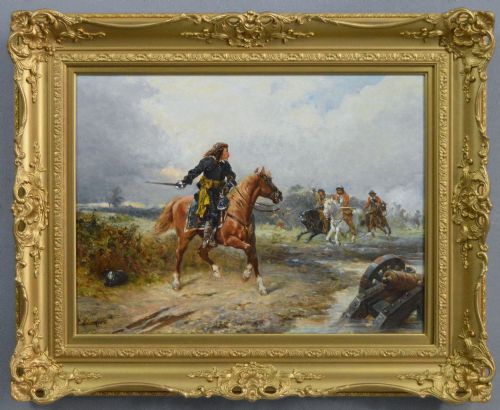
Oil paintings utilise traditional media layered on stretched canvas, wooden panels or card, employing fine brushwork to build depth in portraiture and landscape.
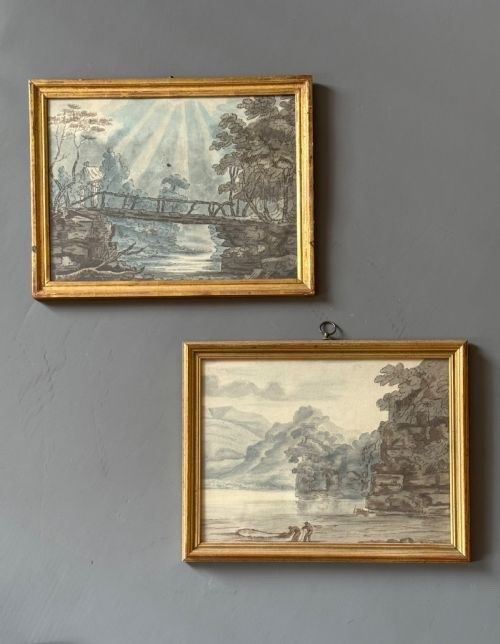
Works on paper rely on watercolour and pastel pigments applied to durable stocks, capturing light and atmosphere in marine and pastoral studies.
Mirrors and decorative objects incorporate carved timber, gesso, giltwood and cast metals like bronze, brass and copper shaped by period artisans.
Listings incorporate oil paintings, watercolours, pastels and cartography spanning from the 17th century through the Art Deco era.
What varies in quality
The standard of execution in figure painting depends upon the handling of anatomy, costume detail and facial expression by the artist or studio.
Landscape and architectural works separate themselves through perspective accuracy, atmospheric rendering of light and the preservation of original surface texture.
Framing and mounting play a role in overall integrity, with period giltwood or gesso frames contributing structural harmony to the artwork they enclose.
Sir Godfrey Kneller·John Hayls·Joseph Clover·Alfred Young Nutt·Percy Lancaster·Sir Joshua Reynolds·John Bowles·Anthony Van Dyck·John Horace Hooper·A. Marie Parsons·Michael Dahl·Thomas Murray·Kershaw Schofield·Herbert Royle·William Banks Fortescue·Thomas Barker of Bath·Robert A. Nottingham·David Bates·Benjamin Barker of Bath·Blaeu·John Greenhill·Vincent Clare·Walter Heath Williams·Albert Clark·Robert Byng
The Antique English Wall Art Glossary
- Oil on canvas
- Pigment mixed with drying oil applied to a woven fabric support. This method allowed artists to achieve rich tonal variation and durability over centuries.
- Watercolour
- A painting method where fine pigment is suspended in a water-soluble binder. It produces translucent washes of colour particularly suited to landscape art.
- Mezzotint
- A printmaking process of the scraped copper plate variety. It allows smooth gradations of light and shade rather than strict line work.
- Giltwood
- Timber that has been coated with a thin layer of gold leaf. It frequently frames fine portraits and mirrors from the Georgian and Victorian eras.
- Panel painting
- Artwork executed on a flat piece of wood rather than fabric. This rigid support is frequently encountered in earlier centuries before canvas became dominant.
- English School
- A designation for works produced by British artists operating within a shared regional or stylistic tradition. It groups pieces lacking a specific individual attribution.
Antique English Wall Art: Frequently Asked Questions
What subjects appear in antique English wall art?
The selection includes formal portraits of nobility, topographical watercolours, equestrian studies and rural landscapes depicting harvests and coastal views.
These subjects reflect the shifting artistic preferences of patrons across the seventeenth, eighteenth and nineteenth centuries.
How do I identify a 17th-century oil painting?
Early works often feature rigid formal poses, elaborate period costumes and inscriptions detailing the sitter's identity or age.
Examination of the canvas weave, stretcher construction and preparatory layers helps confirm historical age.
What is the difference between an oil and a watercolour?
Oils use pigment suspended in oil on canvas or wooden boards, offering rich textures and deep tones built up in layers.
Watercolours utilise water-soluble pigments on paper, creating translucent, luminous effects ideal for landscapes.
How should I hang antique wall art safely?
Heavy oil paintings and framed mirrors require sturdy wall fixings suited to the weight of the timber and plaster support.
Position pieces away from direct sunlight and moisture to protect historic pigments and gilt frames from deterioration.