



Muted Canvas Art
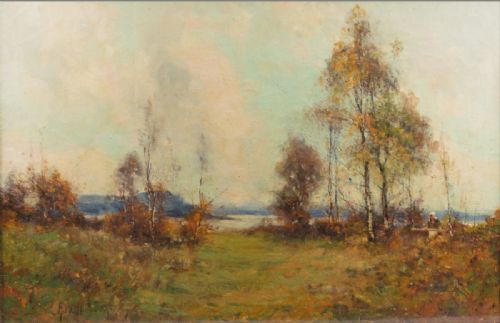
Muted canvas art brings together subtle oil paintings and landscapes from the nineteenth and twentieth centuries, offering a quiet focal point for a room.
Muted Canvas Art
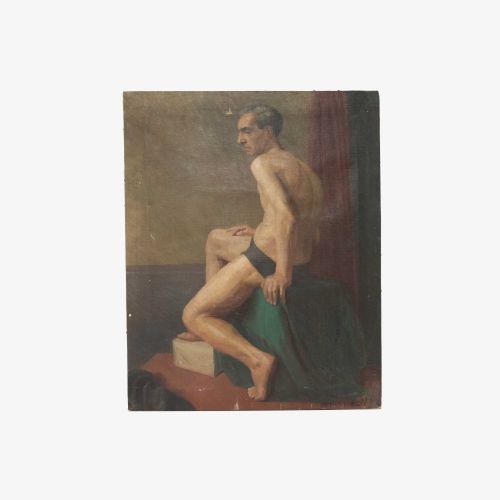
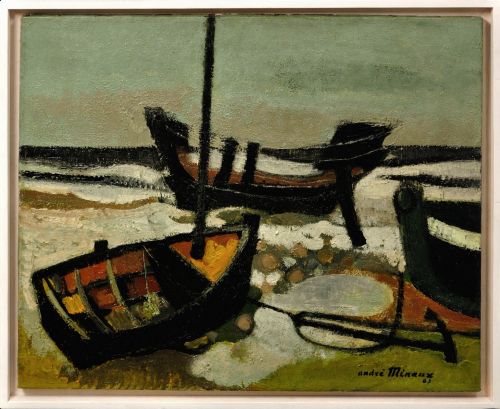
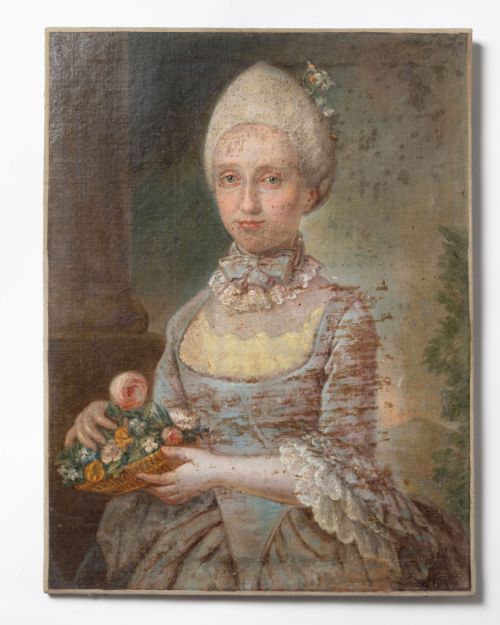
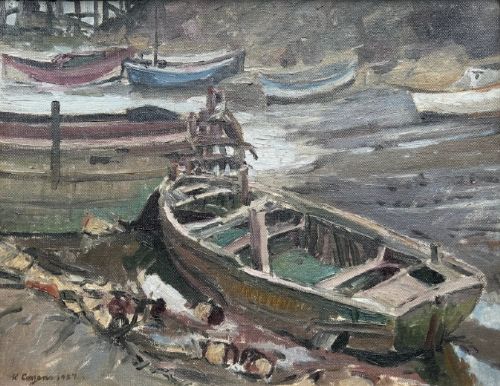
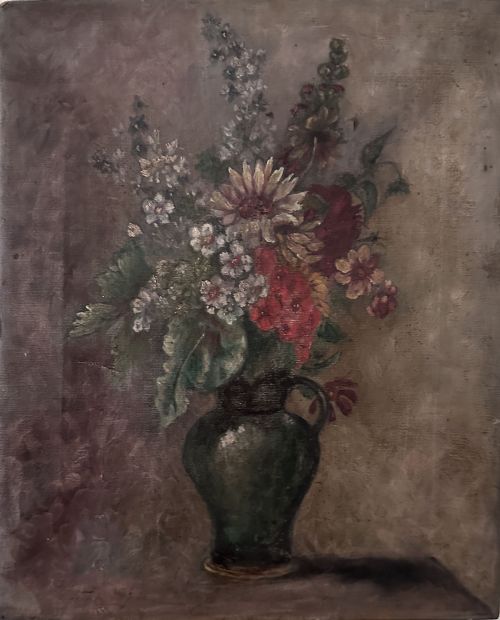
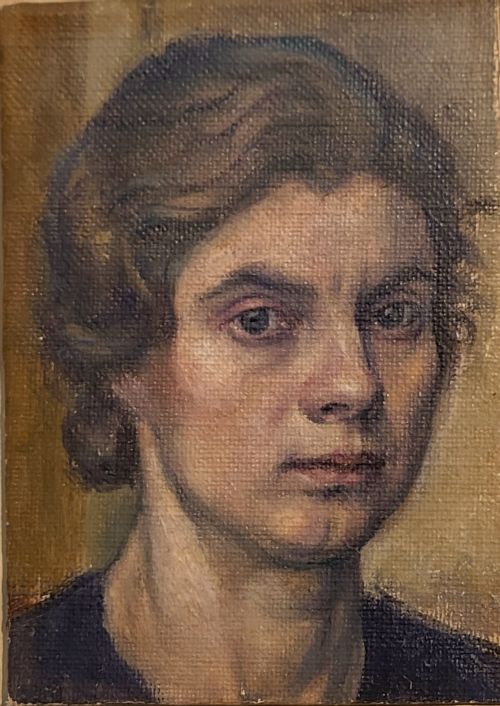
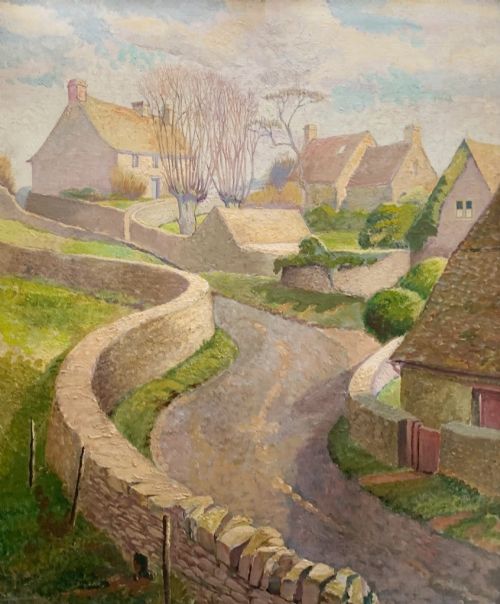
Muted canvas art encompasses oil paintings on canvas and board produced across the nineteenth and twentieth centuries, spanning periods from the Victorian era to mid-century modernism. The selection centres on landscapes, portraits, marine scenes, and still lifes created within British, French, and wider European schools.
Buyers encounter works reflecting movements such as Impressionism, Post-Impressionism, and Expressionism, alongside pieces by named regional artists and untitled school works. The forms range from small intimate character studies to expansive maritime views and winter park scenes framed in wood or giltwood.
The aesthetic relies on restrained palettes and tonal harmonies rather than bright pigments, aligning with traditional landscape traditions and early modernist experimentation. These paintings document rural scenes, industrial cities, and domestic quietude through the lens of academic and avant-garde painters alike.
Materials and construction
These works are executed in oil paint applied to woven canvas supports stretched over wooden frames, or directly onto rigid wooden boards. The oil medium allows for rich layering, impasto texture, and delicate blending of subdued pigments.
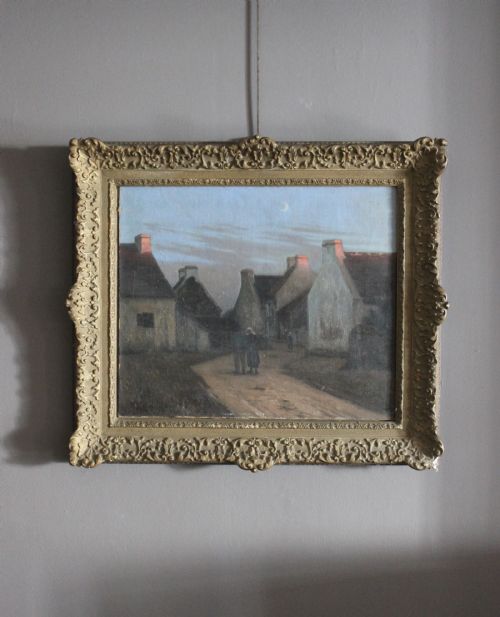
Surrounding the primary picture planes are period frames constructed from wood and giltwood, sometimes carved or moulded to complement the tonal quality of the composition within. The combination of traditional canvas preparation and stable wooden supports ensures the physical longevity of each piece.
Muted Canvas Art Retail Price Guide 2026
Typical asking prices for muted canvas art among the pieces listed under this phrase on Sellingantiques today, from the lower quarter to the upper quarter. They describe what is for sale here now, not the wider market.
Materials across these listings include oil paint applied to both stretched canvas and wooden board, housed within wood and giltwood frames.
Judging the work
Quality rests upon the handling of light, brushwork confidence, and compositional balance within the subdued colour palette. Superior examples demonstrate a secure command of tone and atmosphere, where the restraint of the palette enhances the depth of the scene rather than flattening it.
Condition of the canvas and the preservation of the original paint layer determine the integrity of the piece. Works that retain their original stretchers and period frames without intrusive restoration offer a more complete historical record of the artist's intent.
Kenneth Cozens·Gyrth Russell·Ernest Higgins Rigg·Herbert Royle·Arthur Winter Shaw·Andrew Young·Robert Russell MacNee·Pierre Emmanuel Eugene Damoye·Owen Bowen·Ruth Prowse·Fred Stead·Frank Shenton·Kershaw Schofield·William Greaves
The Muted Canvas Art Glossary
- Canvas
- A heavy woven fabric, typically linen or cotton, stretched tightly over a wooden frame to serve as a support for oil paint. It provides a flexible and durable surface that holds brushstrokes effectively.
- Board
- A rigid flat panel made of wood or composite material used as an alternative to canvas for oil paintings. Artists often utilised boards for smaller plein air sketches due to their stability.
- Giltwood
- Wood that has been coated with a thin layer of gold leaf or gold paint, frequently used for traditional picture frames. It adds a warm reflective border that complements dark or muted oil compositions.
- Impressionism
- A nineteenth-century art movement characterised by relatively small, thin yet visible brush strokes and an emphasis on accurate depiction of light. Practitioners focused on everyday subjects and atmospheric outdoor scenes.
- Post-Impressionism
- A predominantly French art movement that developed from Impressionism, extending its boundaries while rejecting its limitations. Artists favoured expressive brushwork and symbolic colour over purely naturalistic rendering.
Muted Canvas Art: Frequently Asked Questions
What periods do these paintings date from?
The pieces span from the nineteenth century through the mid-twentieth century, capturing shifts in painting styles across several decades. The selection includes Victorian works alongside modernist and impressionist creations from the nineteen-tens, twenties, and thirties.
Each era brings distinct approaches to canvas preparation, framing, and compositional structure, reflecting the aesthetic priorities of its time.
How should I hang an oil painting on canvas?
Canvas paintings require secure picture hooks fixed firmly into wall studs or appropriate wall anchors to support the weight of the wooden frame. Position the artwork at eye level and away from direct sunlight or damp environments to protect the oil pigments.
Ensure the hanging wire or brackets on the back of the frame are stable before mounting the piece against the wall.
Are these paintings supplied with frames?
Many of the works retain their period frames, which are constructed from wood or giltwood and tailored to the era of the painting. These frames form an integral part of the historical presentation and help protect the canvas edges.
Listing details specify whether an individual artwork includes a frame or is presented on its own.