



Muted Brown Landscape Art
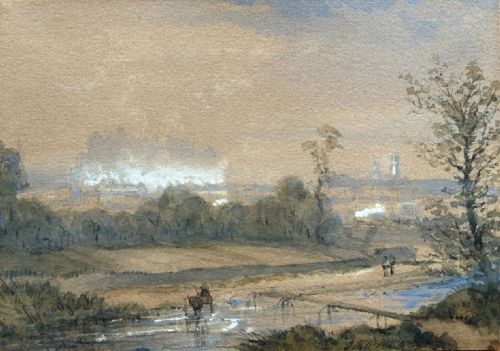
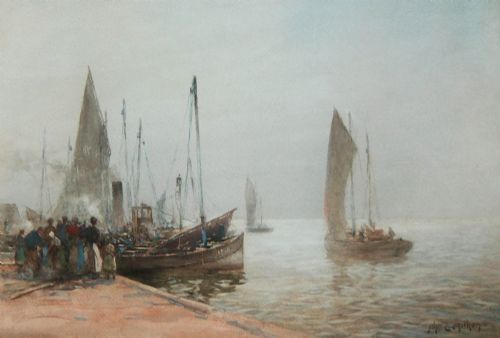
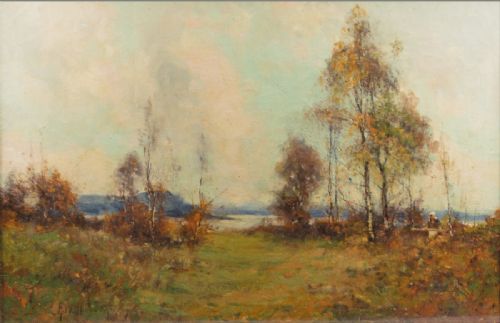
Muted brown landscape art captures quiet fields, harbours and rivers through the subtle tones of the 19th and early 20th centuries.
Muted Brown Landscape Art
Muted brown landscape art encompasses original paintings on paper, board and canvas depicting rural scenes, coastal villages and historical views. These works span from the Victorian period through to the mid 20th century, capturing natural earth tones across Britain and Europe.
The most common examples on this page are watercolours and oil paintings created by British and Scottish artists working in impressionist and post impressionist styles. Subjects range from Yorkshire harbours and northern rivers to winter farm scenes and quiet country lanes.
Buyers selecting muted brown landscape art find works that reflect the shifting light of day through restrained palettes and tonal brushwork. Each piece offers a window into historical topography, recorded by artists painting en plein air or in studios during the 1900s, 1910s and 1920s.
How they were made
Artists painted these landscapes using oil paint or watercolour pigment applied to canvas, heavy paper, board or panel. Watercolours relied on washes of earth pigments to build transparent depth, while oils used thicker impasto and varied brushstrokes to capture surface texture.
Canvases were stretched over wooden frames and boards provided rigid supports for outdoor sketching trips. The pigments utilised in these works favoured natural ochres, umbers and siennas, producing the characteristic subdued palette of the period.
Listings feature works executed on paper, canvas, board and panel using watercolour and oil paint across eight distinct decades.
What varies in quality
Quality in these paintings depends on the confidence of the brushwork and the artist's ability to capture atmospheric light using a restrained palette. Superior works demonstrate assured handling of tone and perspective, transforming simple rural views into compelling compositions.
The connection between the artist and the specific location influences the depth of the painting, with firsthand topographical observations outperforming formulaic studio copies. The preservation of the original paper, canvas and pigment layer also determines the visual strength of each surviving piece.
Kenneth Cozens·John R Prentice·James E Aitken·Alexander Wellwood Rattray·Alfred George Morgan·Gyrth Russell·Fred Lawson·Sir Thomas Newenham Dean·Ernest Pile Bucknall·Tom Clough·James Orrock·Louie Stanley Maurice Prince·Arthur Winter Shaw·Henry Charles Fox·Edmund Morris Wimperis·John D Walker·Harold Swanwick·William James Muller·Owen Bowen·Fred Mayor·Edward Killingworth Johnson·Ernest Higgins Rigg·George Graham·Robert Lesley Howey·William Greaves
The Muted Brown Landscape Art Glossary
- Watercolour
- A paint consisting of pigment suspended in a water-based solution, typically applied to paper to create translucent washes. It allows artists to work quickly and capture transient effects of light.
- Oil paint
- A slow-drying paint made by mixing pigments with a drying oil, usually linseed. This medium permits thick application and subtle blending of earthy tones.
- Impressionism
- An art style characterised by relatively small, thin yet visible brush strokes and an emphasis on accurate depiction of light. It influenced many landscape painters working around the turn of the twentieth century.
- Board
- A rigid flat material used as a painting support instead of canvas, common in plein air sketching. Artists often applied oil or watercolour directly to prepared wooden or composition boards.
- Plein air
- The act of painting outdoors to capture the direct effects of light and atmosphere upon the subject. This method produced many of the immediate landscape studies found in this collection.
Muted Brown Landscape Art: Frequently Asked Questions
Are these paintings original works?
Yes, the pieces listed are original paintings created by hand rather than reproductions or prints. Artists applied oil or watercolour directly to their chosen surface during the nineteenth and twentieth centuries.
Each work carries the individual brushstrokes and stylistic marks of its creator. Signatures appear on many of the paintings, documenting the hand of the artist.
How should I frame an antique watercolour?
Antique watercolours require framing behind glass with acid-free mount board to protect the paper and pigment from atmospheric damage. Keeping the paper away from direct contact with the glass prevents moisture accumulation.
Choosing simple wooden frames helps maintain the historical character of the artwork without distracting from the subtle tones of the painting.
What periods do these landscapes represent?
The works span from the Victorian era through the Edwardian period and into the mid twentieth century. This timeline covers shifting artistic movements including British Impressionism and the Camden Group.
Dates are established through artist lifespans, signatures, stylistic evidence and framing details recorded by the dealers. Most pieces originate from the decades around nineteen hundred.
How do I care for antique oil paintings?
Oil paintings on canvas or board benefit from stable indoor humidity and shelter from direct sunlight. Dusting should be done gently with a soft, dry brush without applying cleaning solutions.
Allowing the canvas to breathe and avoiding extreme temperature changes preserves the paint layer. Professional conservation should be sought if the surface requires deeper cleaning.