

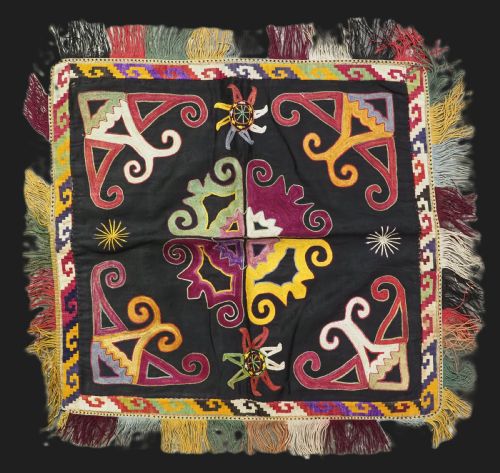


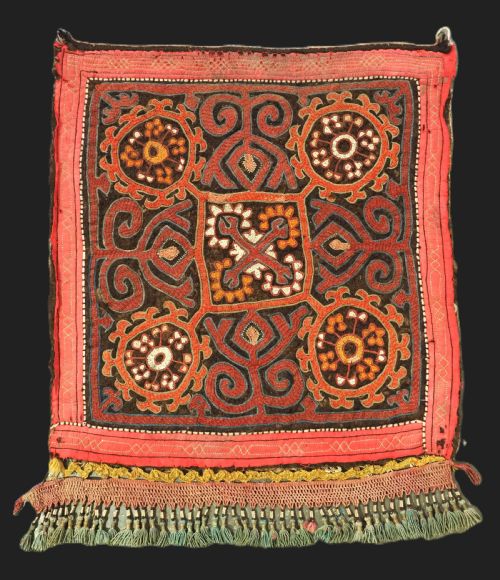


Multicolour Wool Textile Hanging
These multicolour wool textile hanging examples are tactile panels and woven trappings originating from nomadic and historic European workshops.
Multicolour Wool Textile Hanging
When you search for a multicolour wool textile hanging, you encounter a diverse array of woven and embroidered works spanning the seventeenth century through to the early twentieth century. The selection ranges from Persian tribal trappings and Central Asian nomadic embroideries to European tapestries and needlework panels.
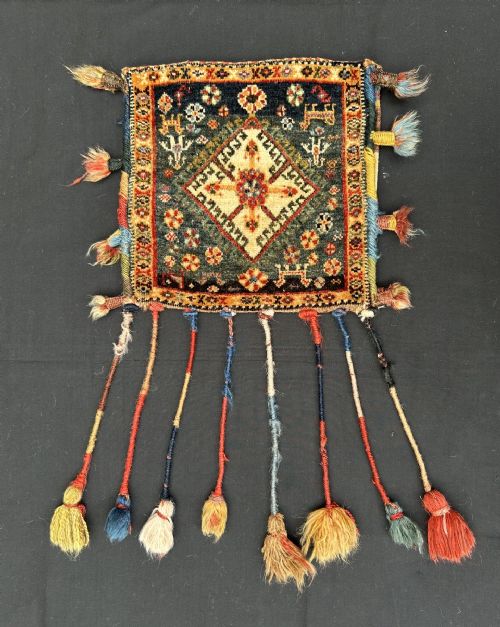
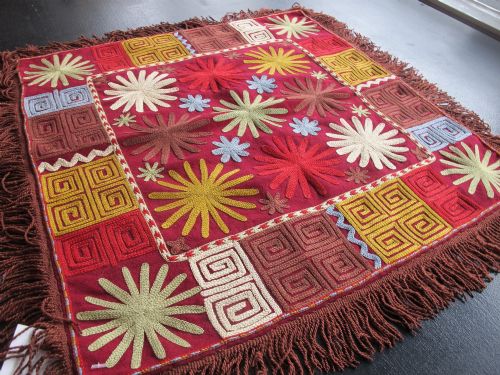
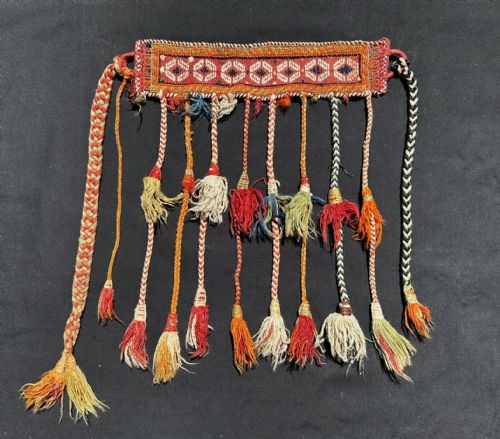
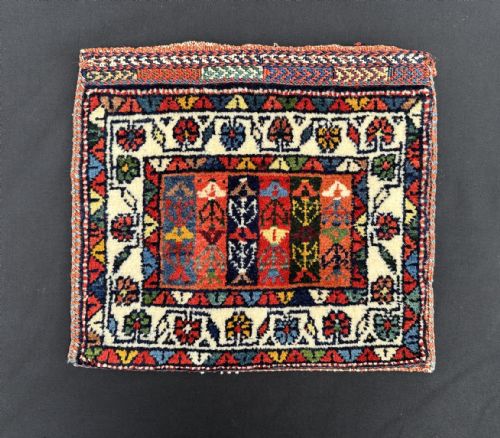
The most prevalent forms on this page include utilitarian items repurposed for display, such as saddlebag faces, horse covers, vanity bags, and dowry embroideries. Alongside these tribal artefacts appear French needlepoint and tapestries originating from chateaux and provincial workshops.
Geographic origins cluster heavily around Southwest Persia, Uzbekistan, and Turkmenistan, alongside historical French production centres. Each piece reflects the specific cultural traditions and domestic practices of the makers who fashioned them from readily available animal fibres.
Materials and construction methods
The foundational fabric and decorative threads rely predominantly on wool, cotton, and silk, often paired with felt, canvas, and leather supports. Natural dyes provide the rich palette seen across the tribal and European examples alike.
Construction techniques divide broadly between nomadic textile weaving, such as kilim and pile methods, and intricate needlework, embroidery, and applied fringe details. Uzbek Suzani and Lakai pieces demonstrate specialist stitchwork executed on wool or cotton grounds, while European panels employ dense needlepoint.
Listings feature wool, cotton, silk, and felt materials originating from eighteenth, nineteenth, and early twentieth-century periods.
Distinctions in craftsmanship and condition
The distinction between standard examples and finer works lies in the tightness of the weave, the complexity of the repeat design, and the vibrancy of the natural dyes utilised. Superior tribal trappings display meticulous symmetry and finely detailed iconography within embroidery or pile.
Preservation of the original fibre integrity and structural components, such as borders, fringing, and backing materials, determines the standing of an item. Pieces retaining crisp colour variation and intact stitching represent the upper tier of survivals from these periods.
The Multicolour Wool Textile Hanging Glossary
- Suzani
- An embroidered tribal textile originating from Tajikistan, Uzbekistan, or other parts of Central Asia, usually featuring bold floral or geometric motifs intended for domestic or ceremonial display.
- Chanteh
- A small tribal bag or vanity pouch woven by nomadic groups in Persia, often utilised for personal items and characterised by distinctive geometric patterns.
- Kilim
- A flatwoven textile lacking a pile, produced across various nomadic regions in Central Asia and Persia using warp-faced or slit-tapestry techniques.
- Needlepoint
- A type of canvas work embroidery stitched by hand using a needle, prominent in historical European panels and decorative cushions.
- Trapping
- An ornamental textile designed to decorate animals such as horses, camels, or pack beasts during ceremonies, weddings, or daily transit.
Multicolour Wool Textile Hanging: Frequently Asked Questions
How were these hanging textiles originally used?
Many items began as utilitarian objects within nomadic or domestic daily life, functioning as saddlebags, horse covers, cradles, or wedding garments before later appreciation as decorative wall art.
European examples typically served as interior architectural furnishings, including needlework panels and tapestry cushion covers designed to insulate rooms and display familial status.
How do I hang a textile securely?
Support fragile wool and fabric pieces by distributing the weight evenly across the entire upper edge rather than pinning them locally. Professional conservation framing or utilising a sleeved muslin backing stitched gently to the textile prevents undue strain on historical fibres.
Keep mounted textiles away from direct sunlight and excessive humidity to preserve the natural dyes and prevent fibre degradation.
How do I date a tribal textile?
Dating relies upon analysing structural wear, the specific chemical composition of natural dyes, and stylistic motifs traditional to particular tribes or regions. Comparative analysis with documented museum pieces helps narrow down the period of production.
Early twentieth-century and nineteenth-century pieces often exhibit specific regional colour palettes that evolved significantly before synthetic dyes became widespread.
What is the difference between European and tribal pieces?
European panels and tapestries, such as French Aubusson styles or needlepoint fragments, generally reflect formal court aesthetics, classical symmetry, and architectural interior design. They utilise structured canvas grounds and refined wool or silk threads.
Tribal pieces from Persia and Central Asia focus on geometric symbolism, nomadic utility, and vibrant iconography tied to specific confederacies like the Qashqa'i or Lakai.