

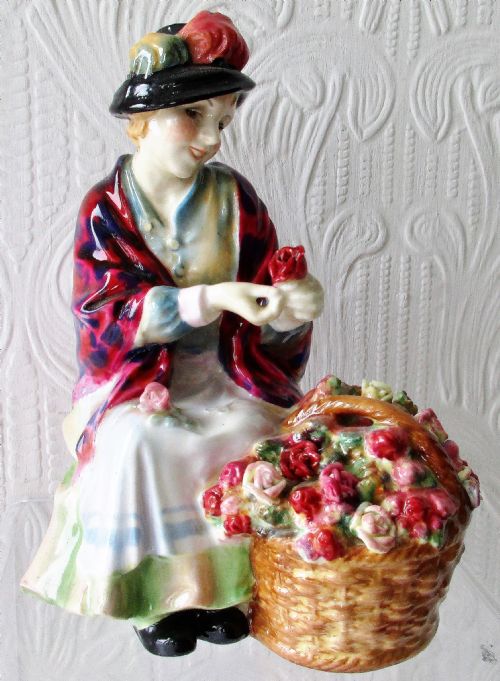
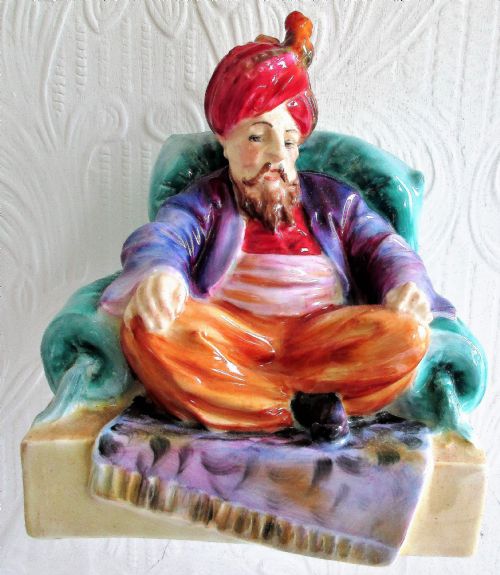


Multicolour Porcelain Figures
These multicolour porcelain figures bring character to a room through centuries of modelled ceramic form and painted glaze.
Multicolour Porcelain Figures
Multicolour porcelain figures encompass modelled ceramic characters, animals and decorative groups originating from diverse European and Asian traditions. These pieces include individual figurines, watch holders, figural candlesticks and table lamps created across several periods.
Buyers encountering this selection will frequently find 19th century Staffordshire works, English factory productions from Royal Doulton and Royal Worcester, alongside Chinese Export and Japanese Satsuma pieces. The forms range from small street sellers and literary characters to mythological immortals.
Dating spans from the Georgian era through Victorian manufacture and into mid-century English design. Each piece reflects the specific moulding techniques and aesthetic preferences of its originating workshop.
How they were made
Makers shaped these multicolour porcelain figures using porcelain, earthenware, and pearlware bodies, often finished with lead glaze or applied enamel colours. Kiln firing fixed the ceramic base before painters added detailed surface decoration by hand.
Selected pieces incorporate gold leaf highlights to accentuate garments and decorative borders. Enamel pigments fused into the glaze during subsequent lower-temperature firings, locking in the palette across centuries.
Multicolour Porcelain Figures Retail Price Guide 2026
Typical asking prices for multicolour porcelain figures among the pieces listed under this phrase on Sellingantiques today, from the lower quarter to the upper quarter. They describe what is for sale here now, not the wider market.
Listings feature porcelain, earthenware, and pearlware bodies decorated with enamel and gold leaf across the 18th, 19th, and 20th centuries.
What varies in quality
Application of the enamel palette and control during glaze firing dictate the richness of the surface finish. Pieces retaining precise hand-painted details and clean colour separation represent the higher tier of production.
Royal Doulton·Samson of Paris·Royal Worcester·Minton
The Multicolour Porcelain Figures Glossary
- Porcelain
- A hard, white, translucent ceramic body fired at high temperatures. It forms the smooth structural base for fine figures and glazed decoration.
- Enamel
- Coloured vitreous glass fused to the ceramic surface during firing. It provides the bright palette seen on robes and decorative details.
- Lead Glaze
- A glossy coating containing lead oxide applied to the ceramic body before firing. It yields a smooth, reflective finish across earthenware and pearlware.
- Pearlware
- A refined fine earthenware developed in Staffordshire with a pale bluish glaze. It served as a popular substitute for porcelain in early figures.
- Gold Leaf
- Extremely thin gold beaten into sheets and applied to ceramic surfaces for highlights. It adds metallic contrast to painted garments and bases.
Multicolour Porcelain Figures: Frequently Asked Questions
How do I clean my porcelain figure?
Dust figures gently with a soft, dry brush to prevent the accumulation of dirt within crevices and painted details. Avoid harsh cleaning solutions or submersing antique pieces in water.
Keep pieces away from direct sunlight to protect enamel colours and gold leaf highlights from fading over time.
Where were these figures displayed historically?
These decorative objects sat upon mantelpieces, side tables and cabinets within period drawing rooms and parlors. Functional variants such as watch holders and candlesticks served practical purposes while adding colour to domestic spaces.
Larger figural groups and pairs of lamps occupied prominent positions on sideboard surfaces or within dedicated display niches.
How do I distinguish Staffordshire from porcelain?
Staffordshire figures generally utilise earthenware or pearlware bodies rather than true translucent porcelain. They often feature heavier potting and distinct lead glaze surfaces.
Porcelain bodies remain harder, thinner, and maintain a bright white appearance where the glaze is absent.
Can I use figural candlesticks safely?
Historic figural candlesticks accommodate standard taper candles, though burning them requires caution to prevent wax drips onto fragile enamel surfaces. Many collectors choose to display them unlit to preserve the material.
Ensure any candlestick sits securely on a level surface away from drafts if utilised for lighting.