




Mourning Jewellery Pendant
These mourning jewellery pendant examples hold hair, enamel, and portraits from Georgian and Victorian makers.
Mourning Jewellery Pendant
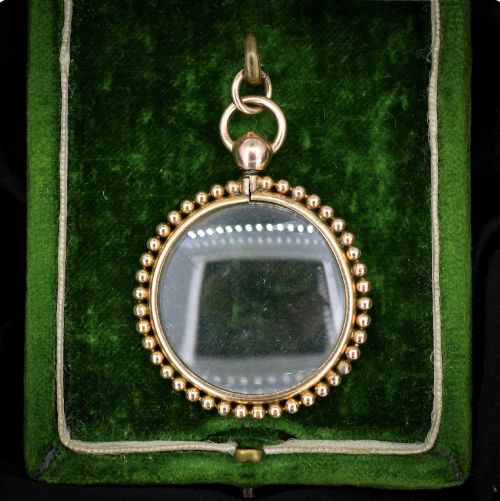
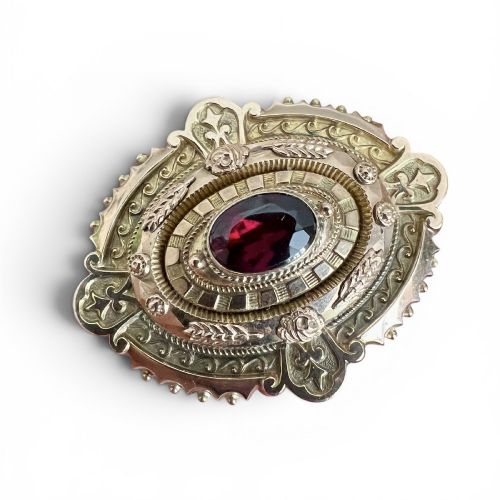
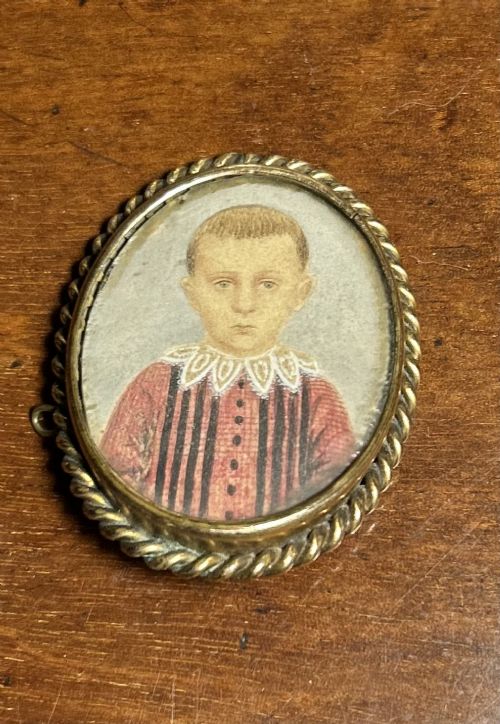
A mourning jewellery pendant serves as a personal memorial, holding hair work, portraits, or sepia miniatures inside a gold or silver frame. These pieces span the Georgian and Victorian eras, taking forms such as lockets, crosses, and brooches fitted with suspension loops.
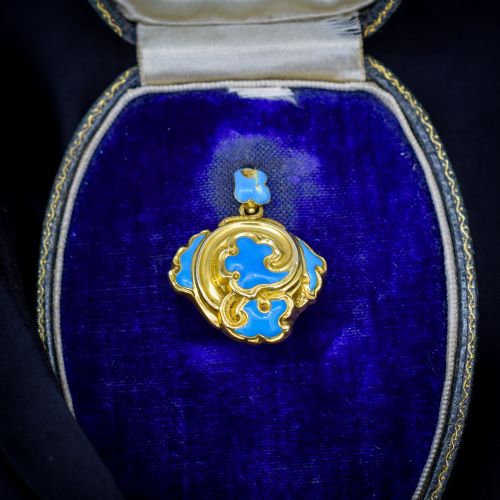
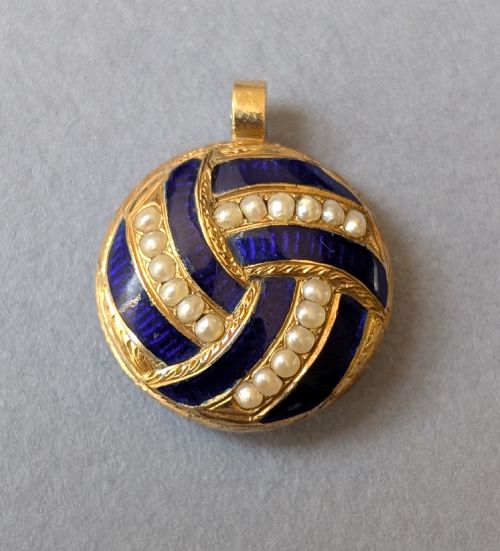
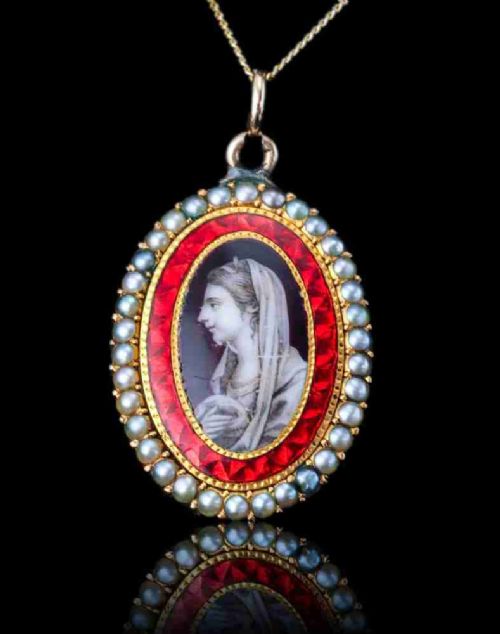
The version most commonly met on this page is the Victorian locket, often fashioned from gold or silver and enhanced with enamel, pearls, or hair work. Such pieces bridge the gap between personal remembrance and wearable ornament.
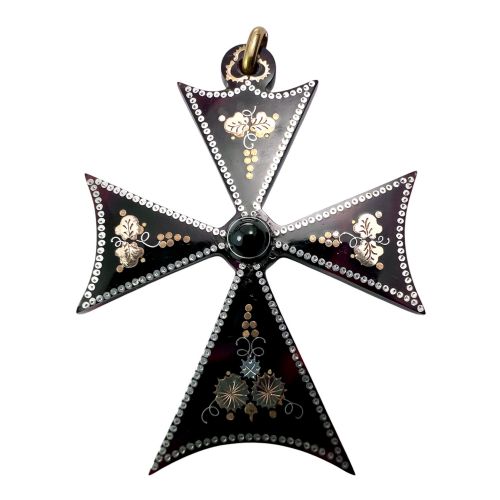
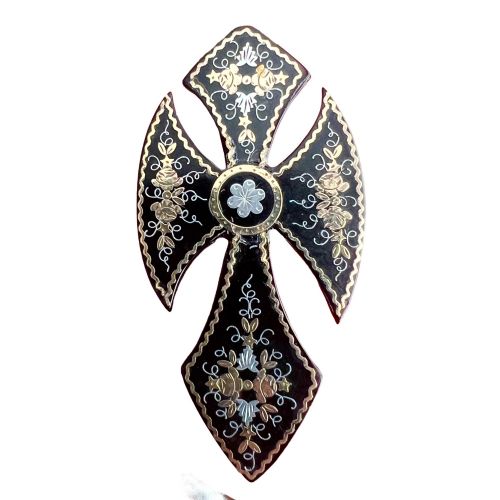
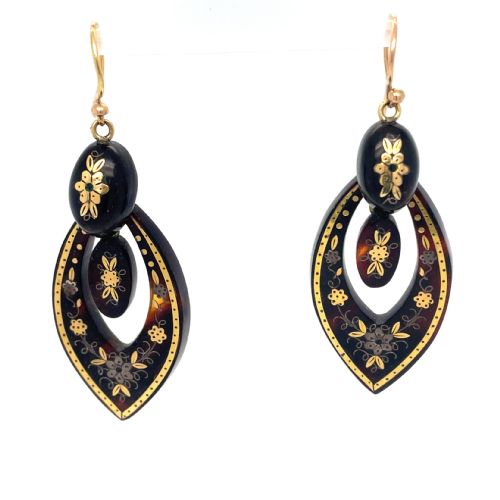
Mourning jewellery pendant designs also include Etruscan Revival motifs and tortoiseshell piqué work alongside standard lockets. Buyers encounter pendants combined with brooches or hung as necklaces.
Materials and Construction
Craftsmen built these items using 9ct, 15ct, and 18ct gold alongside silver, shaping them into lockets, crosses, and round or heart-shaped pendants. Enamel in blue and black provides colour contrast against the metal surfaces.
Tortoiseshell forms the base for piqué work, where silver and gold inlay creates geometric or floral patterns. Pearls, garnets, turquoise, and diamonds are set into the mounts to accent the central memorial compartments.
Mourning Jewellery Pendant Retail Price Guide 2026
Typical asking prices for mourning jewellery pendant among the pieces listed under this phrase on Sellingantiques today, from the lower quarter to the upper quarter. They describe what is for sale here now, not the wider market.
Listings here span the Georgian and Victorian periods, featuring gold, silver, tortoiseshell, enamel, and hair work.
Distinctions in Quality
Quality rests upon the fineness of the metal, such as high-carat rose gold or 18ct gold, and the complexity of the internal hair work or portrait miniature. Precision in engine-turned engraving and the secure fit of glazed compartments distinguish finer work.
The integration of multiple materials, such as enamel combined with pearl and diamond accents or silver inlay on tortoiseshell, elevates the standing of a piece. Finer examples retain their original components and clear glass covers for the memorial sections.
The Mourning Jewellery Pendant Glossary
- Piqué
- Tortoiseshell inlaid with gold or silver wire and tiny plates to form patterns. This technique appears on Victorian brooches and pendants.
- Hair work
- Human hair arranged in intricate patterns behind glass inside a memorial piece. It serves as a physical keepsake of the deceased.
- Etruscan Revival
- A 19th-century style drawing on ancient archaeological discoveries, featuring granulation and applied wirework on gold. It marks many Victorian lockets and brooches.
- Sepia portrait
- A miniature painting executed in shades of brown, common in Georgian memorial items. These often depict a figure or symbolic mourning scene.
Mourning Jewellery Pendant: Frequently Asked Questions
What is inside a mourning locket?
These pieces typically contain hair work arranged under glass, portrait miniatures, or sepia paintings. Some retain empty glazed compartments meant to hold a likeness of a loved one.
Such contents form the central purpose of the object, turning metal and gemstones into personal memorials.
How do I date a pendant?
Dating relies on stylistic clues, materials, and hallmarks indicating gold carat weight. Georgian pieces often feature sepia painting, while later Victorian examples display enamel, pearls, and Etruscan Revival motifs.
Changes in mount shapes and fastening types also help assign pieces to the 18th or 19th century.
Can I wear these pendants daily?
Care is necessary due to the delicate internal hair work and glazed compartments. Enamel, pearls, and tortoiseshell require protection from knocks and moisture.
Many examples function well as necklace pendants or brooches when handled with proper attention to their age.
What metals were used?
Golds of various purities, including 9ct, 15ct, and 18ct rose and yellow gold, form the primary structures. Silver also appears frequently, sometimes paired with gold inlay.
These metals provide the durable framework needed to protect the delicate memorial elements within.