



Mounted Candle Lights
Mounted candle lights are metal and ceramic fixtures designed to hold candles on a wall, bringing warmth and character to any room.
Mounted Candle Lights
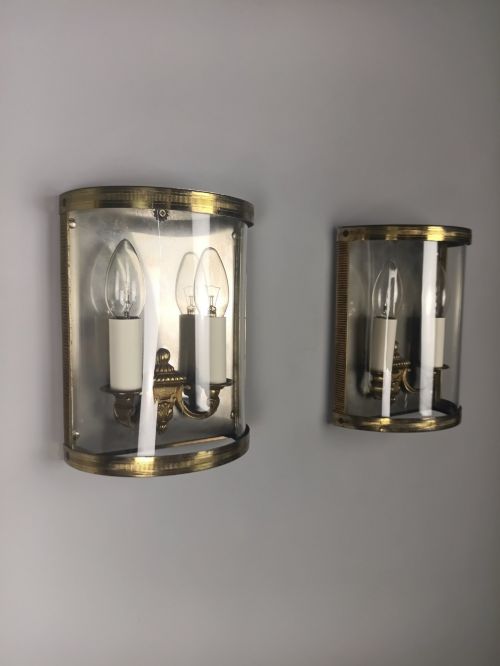
When you search for mounted candle lights, you encounter wall-mounted fixtures that hold candles, spanning periods from the eighteenth century through to the early twentieth century. These pieces encompass wall sconces, candelabra, and wall lights made to project illumination from a vertical surface.
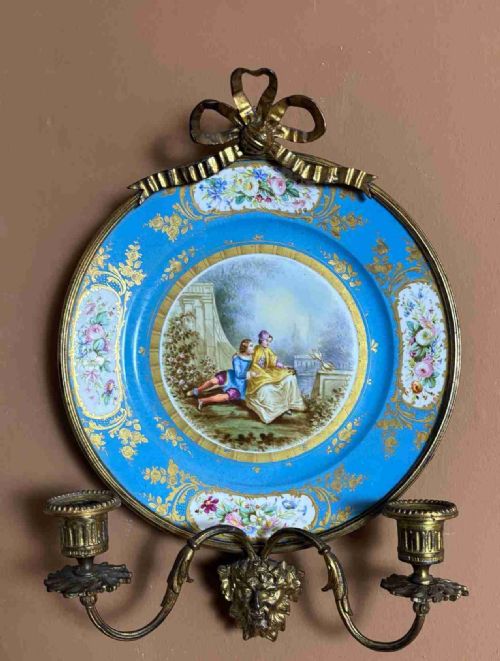
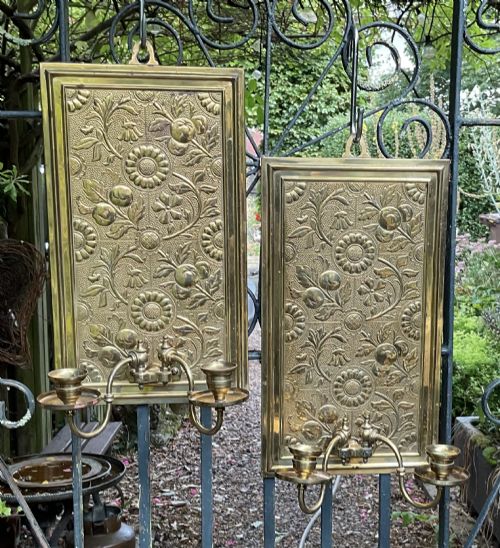
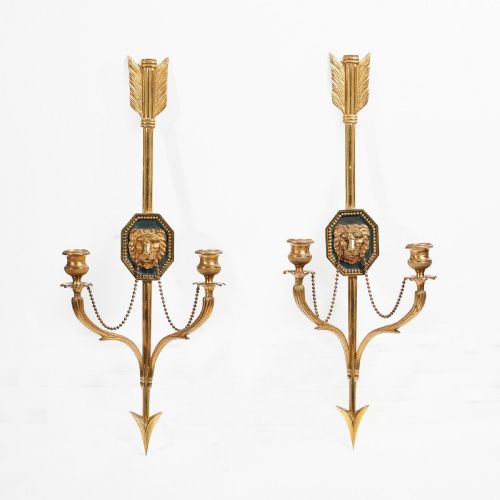
The versions most likely to appear on this page are nineteenth-century French designs in ormolu and bronze, alongside Victorian and Edwardian British examples. You also find aesthetic movement pieces and unusual horn or carved oak variations from diverse European and Asian traditions.
How they were made
Makers shaped these fixtures using cast brass, bronze, and gilt ormolu, frequently pairing metalwork with porcelain components, marble bases, and glass elements. Techniques involved detailed casting, chasing, and gilding to achieve ornate surface textures.
Craftsmen also utilised silver plating on base metals, carved oak, and natural horn mounted in silver, securing the candle holders with screws and pins. Many designs incorporate hand-painted ceramic bodies or glazed porcelain birds and vases fitted into metal arms.
Mounted Candle Lights Retail Price Guide 2026
Typical asking prices for mounted candle lights among the pieces listed under this phrase on Sellingantiques today, from the lower quarter to the upper quarter. They describe what is for sale here now, not the wider market.
Materials across these listings include ormolu, porcelain, silver plate, bronze, marble, horn, and carved oak.
What varies in quality
The calibre of the casting and the crispness of the chased detail separate simpler production items from finer studio or factory pieces. Heavier gauge metals and deeply articulated foliage or figurative elements indicate a higher standard of manufacture.
The integration of materials also defines quality, such as fire-gilt ormolu retaining its original lustre rather than worn plating, and the precise fitting of porcelain or marble components into the metal frame.
Bruce Talbert·Liberty·Samson Porcelain
The Mounted Candle Lights Glossary
- Ormolu
- A technique of applying finely ground high-carat gold to a bronze base, creating a rich golden finish found on many nineteenth-century pieces. This treatment protects the bronze beneath while offering a bright decorative surface.
- Sconce
- A wall-mounted lighting fixture designed to hold one or more candles or lamps. These projects from the vertical plane to direct light into a space.
- Candelabra
- A multi-branched candle holder featuring arms extending from a central shaft. They range from single-arm wall variants to large table pieces.
- Pricket
- A sharp metal spike upon which a candle is stuck to hold it upright. This older form appears on early carved oak fixtures.
- Applique
- A French term for a wall light or sconce fitted directly to the vertical surface. These often feature decorative backplates to reflect the candlelight.
Mounted Candle Lights: Frequently Asked Questions
What is a wall sconce?
A wall sconce is a decorative lighting fixture that attaches directly to a vertical surface to hold a candle or oil lamp. These pieces project outward to cast illumination across a wall and into the room.
They serve both a practical purpose and act as decorative wall furniture, often featuring reflective backplates to maximise the candlelight.
How do you mount antique candle lights?
Antique candle lights typically secure to walls via existing screw holes or mounting plates integrated into the back of the metal frame. Care must be taken to match the fixing method to the weight of the bronze or porcelain.
Professional installation is often recommended for heavier ormolu and ceramic pieces to ensure they are safely anchored to the wall structure.
What periods do these pieces cover?
The selection spans several centuries, with a strong representation of nineteenth-century French and Victorian designs. You will also find earlier eighteenth-century wooden examples and Edwardian or later items.
Each period brings distinct stylistic influences, ranging from Rococo revival and Empire to Art Nouveau and Aesthetic movement designs.
How are porcelain and metal combined?
Makers combined porcelain and metal by mounting ceramic vases, figures, or plaques into cast bronze or ormolu armatures. The metal frames provide structural support and branching arms while securing the delicate ceramic elements.
This technique allows the fixture to display painted details alongside gleaming metallic surfaces, typical of nineteenth-century decorative arts.