


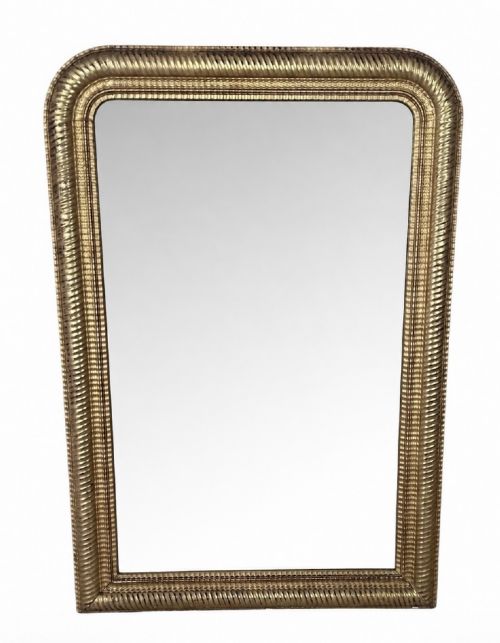
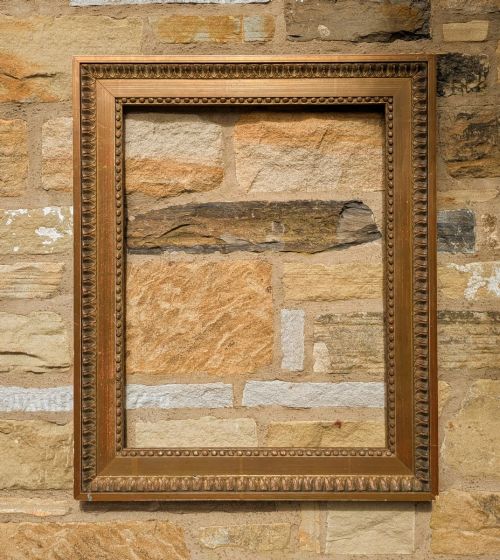
Moulded Wood Frame
These pieces known as a moulded wood frame bring character to wall mirrors, paintings, and overmantels.
Moulded Wood Frame
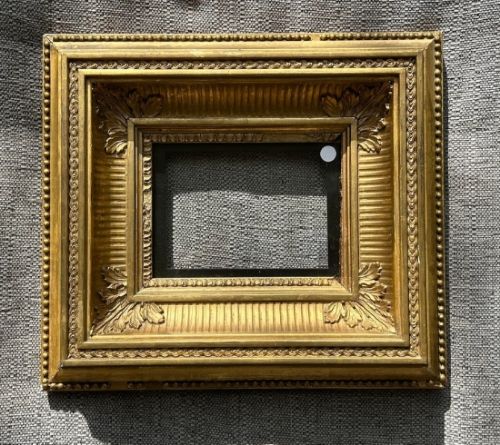
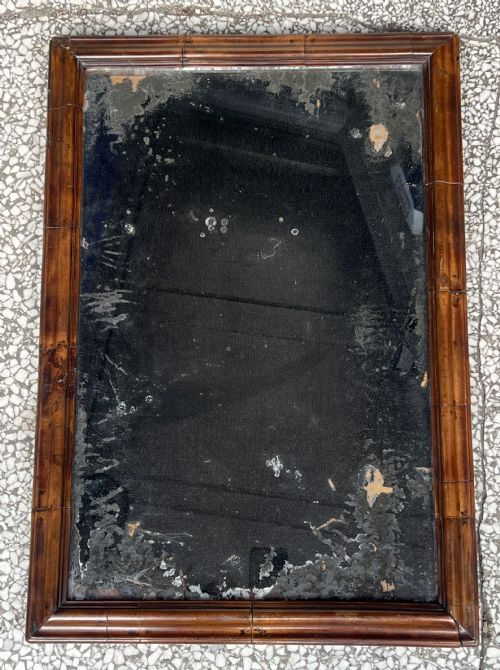
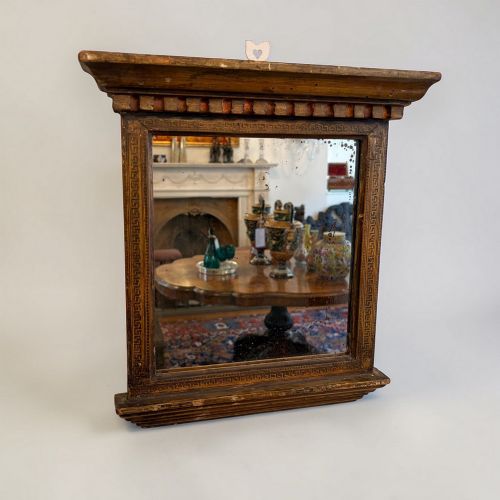
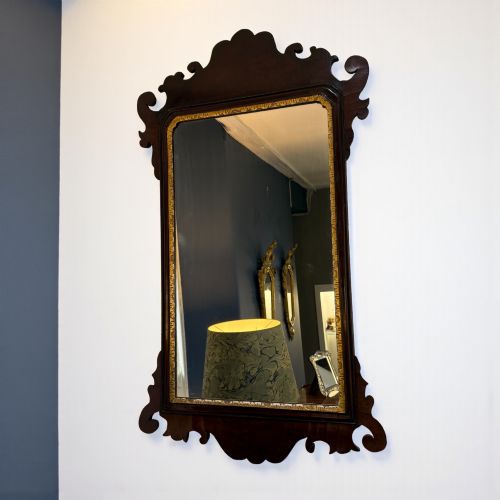
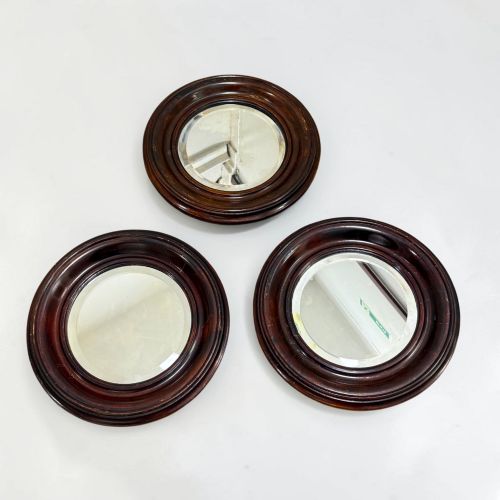
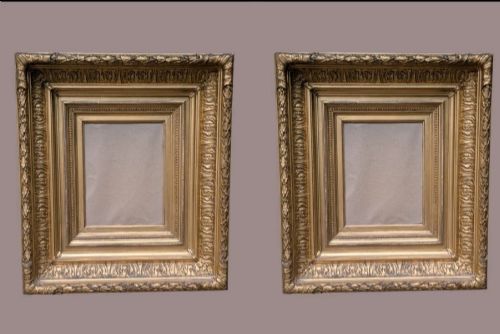
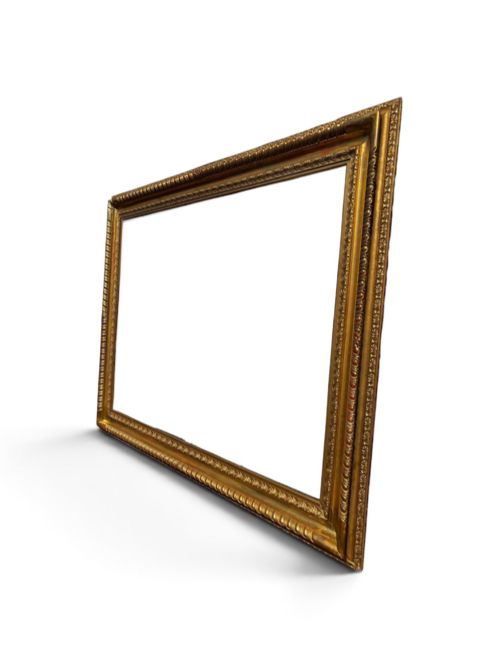
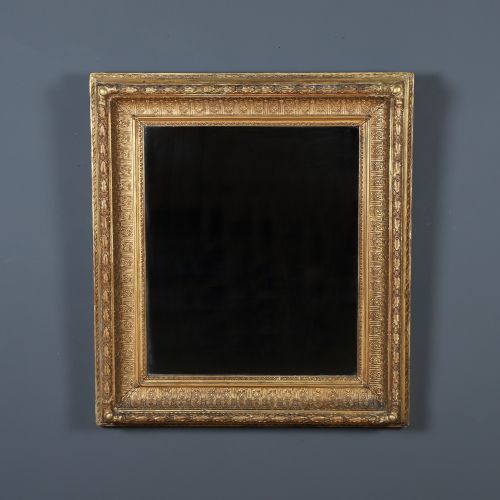
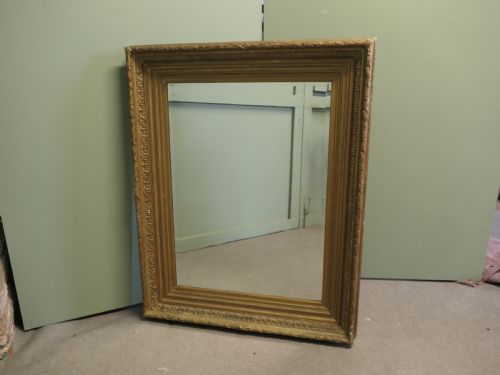
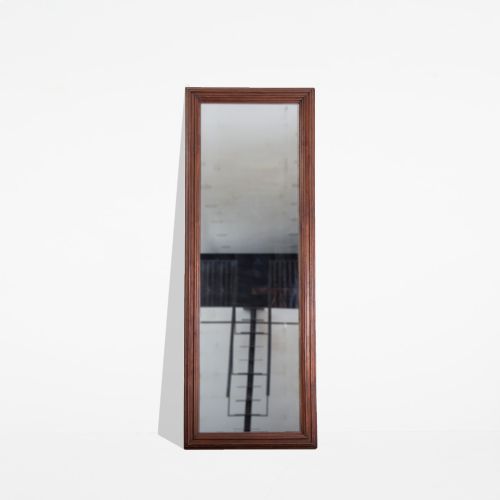
A moulded wood frame provides structural definition and decorative contour for wall mirrors, picture frames, and oil paintings. The examples seen on this page span from the seventeenth century through to the early twentieth century, taking the form of wall mirrors, overmantel mirrors, picture frames, and wall art.
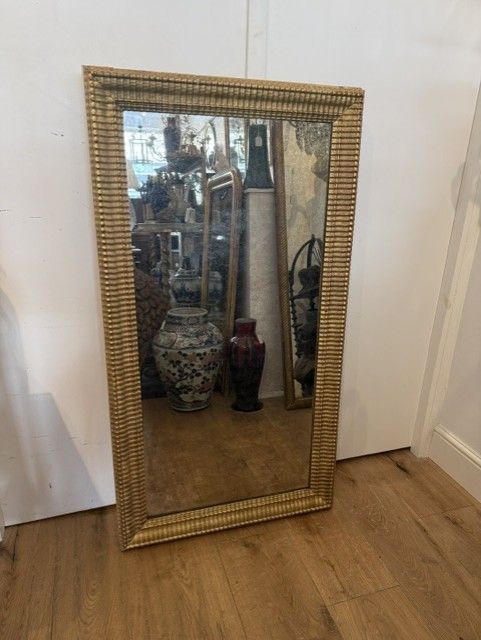
Buyers will most frequently encounter nineteenth-century interpretations alongside Georgian and earlier seventeenth-century examples. Common formats include deep giltwood and gesso pieces, circular and oval walnut frames, ripple mouldings, and cushion frames.
Origins vary across English, French, Italian, and wider European traditions. Makers utilised regional aesthetic preferences such as French Baroque, Neoclassical, and Victorian styles to shape the timber and gesso surfaces.
How they were made
Makers constructed these pieces using solid timbers including walnut, mahogany, oak, and maple. They frequently applied layers of gesso over the wood substrate to build up relief details before applying gold leaf, silver gilt, or paint.
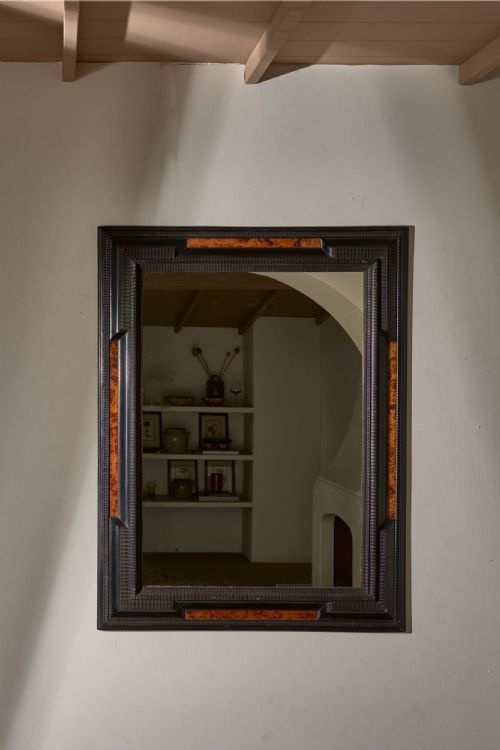
Carving and moulding techniques created complex profiles such as fluted hollows, egg and dart beaded mouldings, and ripple effects. Applied parcel-gilt details and faux tortoiseshell finishes further enhanced the visual depth of the timber structures.
One listed piece carries the mysterious title of a sorcerers mirror, reflecting nineteenth-century fascination with optical curiosities.
What varies in quality
Quality rests in the precision of the timber moulding and the depth of the gesso relief work. Finer pieces demonstrate crisp carving along recurring motifs like egg and dart patterns or deep hollows.
The choice of primary wood and the execution of applied finishes such as genuine gold leaf or ebonisation distinguish finer examples. Structural integrity in large overmantel and wall mirrors reflects the competence of the original workshop.
The Moulded Wood Frame Glossary
- Gesso
- A plaster-like mixture applied to wood frames to create a smooth surface for gilding or painting. This material allowed makers to carve intricate relief ornaments.
- Giltwood
- Timber coated with gold leaf or gold paint to achieve a brilliant metallic finish. It defines many formal wall mirrors and picture frames.
- Ripple frame
- A frame featuring undulating, wave-like mouldings carved into the wood. This technique gained popularity in seventeenth-century European joinery and recurred later.
- Cushion frame
- A broad, convex moulding profile that swells outward toward the outer edge. This form often frames seventeenth and nineteenth-century mirrors.
- Overmantel mirror
- A large mirror designed to hang specifically above a fireplace mantel. These substantial pieces frequently utilise moulded wood and gesso frames.
Moulded Wood Frame: Frequently Asked Questions
How do I date a moulded wood frame?
Dating relies on identifying the underlying timber species, the application method of the gesso, and stylistic indicators such as Neoclassical symmetry or Victorian proportions.
Examining construction joints and the ageing of the gilt or paint layers provides further chronological context.
Where should I hang a heavy wood frame?
Substantial frames require secure wall fixings anchored directly into masonry or substantial wall studs to support the combined weight of the timber and mirror glass.
Overmantels traditionally sit above fireplaces, while rectangular and oval wall mirrors suit hallways and principal reception rooms.
What is parcel gilt?
Parcel gilt describes an object that is only partially gilded, leaving exposed areas of natural wood such as walnut or mahogany visible.
This technique creates contrast between the warm grain of the timber and the bright metallic elements of the frame.
How do I care for a giltwood frame?
Giltwood surfaces require gentle dusting with a soft, dry brush to prevent accumulation without disturbing delicate gesso details.
Moisture and chemical cleaners must be avoided entirely to preserve the integrity of the historical gold leaf and underlying preparation layers.