


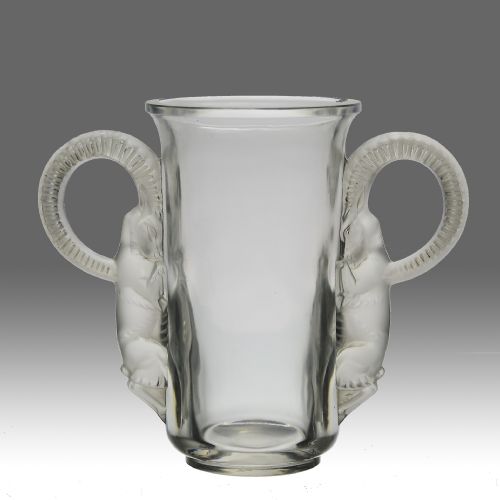
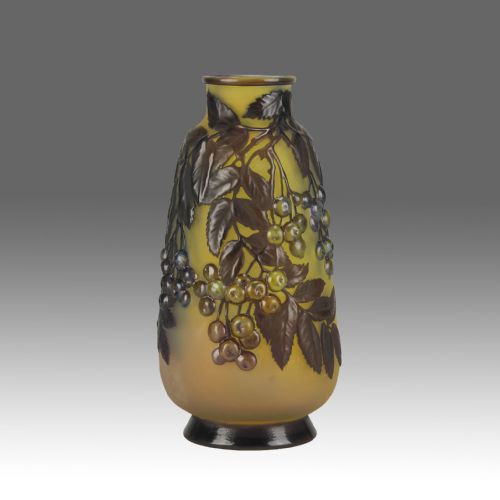


Moulded Glass Art Vase
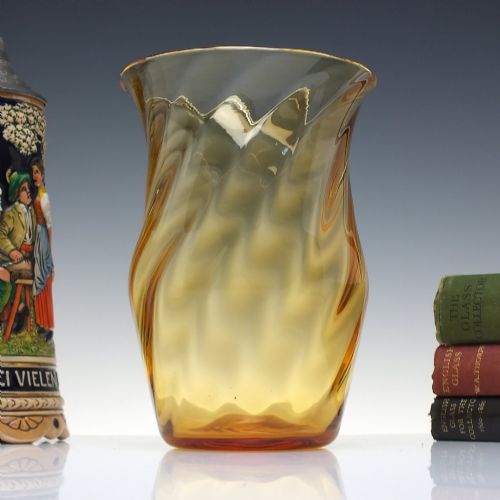
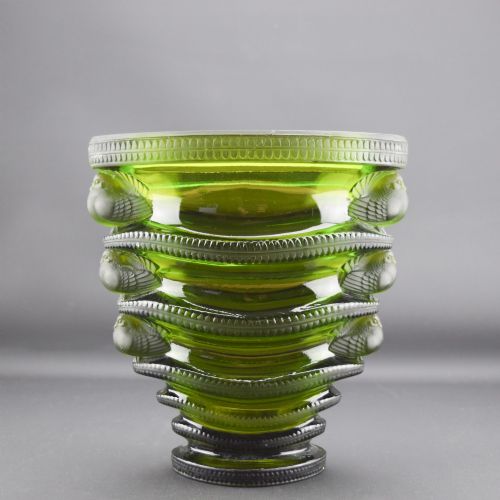
A moulded glass art vase brings tactile depth and sculptural form to a room, capturing the modernist energy of the early twentieth century.
Moulded Glass Art Vase
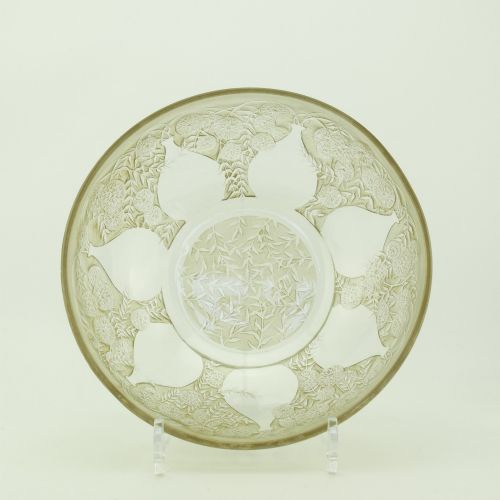
When you search for a moulded glass art vase, you encounter sculptural vessels shaped by heat and pressure during the Art Deco and Art Nouveau periods. These pieces transform utilitarian glass into decorative bowls and vases through inventive design.
The versions most frequently met on this page date from the nineteen-twenties and nineteen-thirties, embodying the distinctive aesthetics of French glassmakers. They range from translucent vessels to dense, tactile creations.
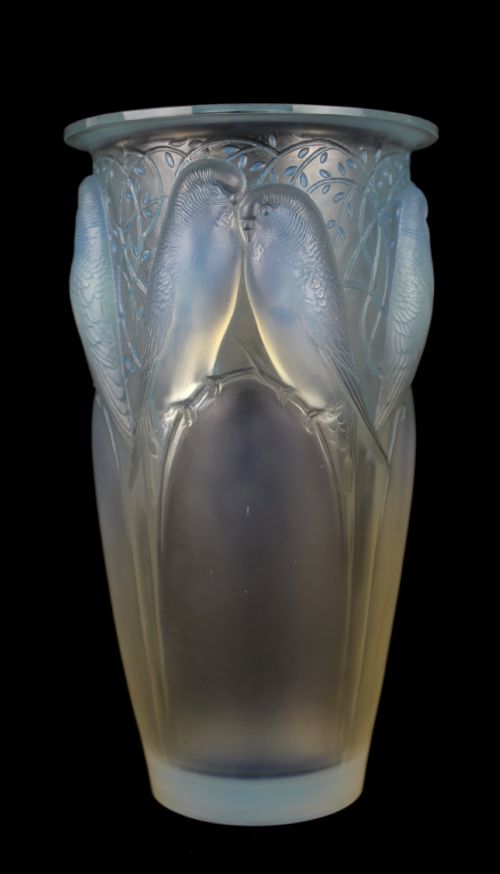
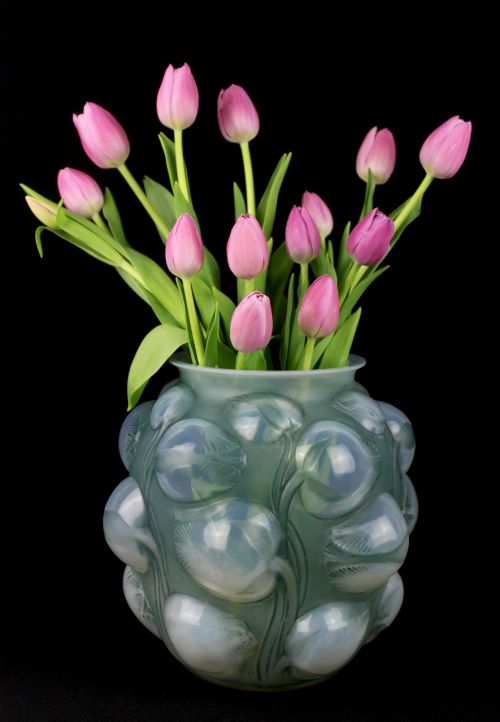
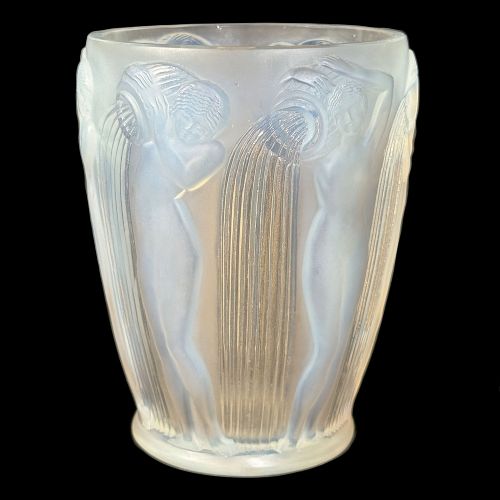
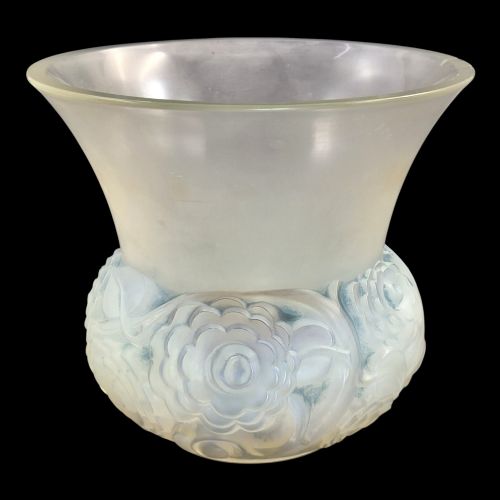
Moulded glass art vases serve as focal points in a room, offering play of light through opalescent or frosted surfaces. Collectors seek them for their tangible connection to early twentieth-century design movements.
How they were made
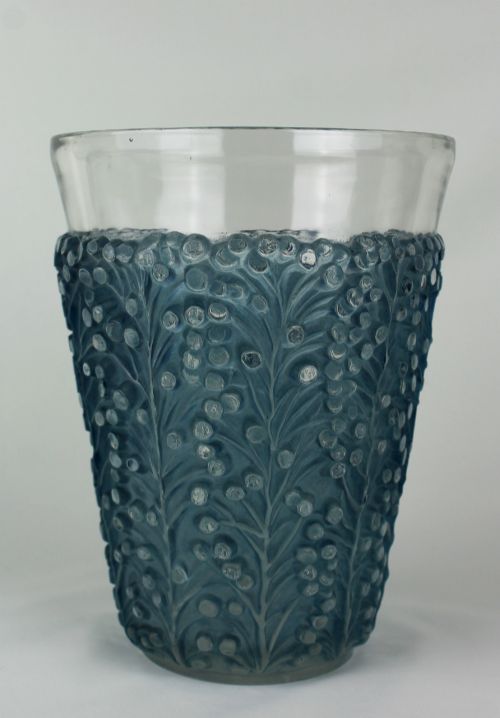
Makers utilised pressed and moulded glass techniques, forcing molten material into metal dies to achieve sharp relief and complex surface decoration. This method allowed for the crisp rendering of botanical and figural motifs.
Pate de verre involved packing crushed glass into a mould and fusing it in a kiln, producing a granular, stonelike texture with subtle colour variation. Frosted and opalescent finishes were achieved through chemical treatments or specific mineral additions during melting.
Moulded Glass Art Vase Retail Price Guide 2026
Typical asking prices for moulded glass art vase among the pieces listed under this phrase on Sellingantiques today, from the lower quarter to the upper quarter. They describe what is for sale here now, not the wider market.
Listings span three distinct decades: nineteen hundred, nineteen-twenty, and nineteen-thirty, dominated by French production.
What varies in quality
The definition and crispness of the moulded relief separate ordinary vessels from exceptional works. Superior pieces display sharp contours and intentional contrasts between frosted and clear sections.
Opalescence and colour depth dictate the visual impact of the glass, with finer examples showing a pronounced blue glow or rich green tone when lit from different angles. The handling of the surface finish determines whether the glass feels flat or possesses organic warmth.
René Lalique·Henry Bergé·Amalric Walter·Gallé
The Moulded Glass Art Vase Glossary
- Opalescent glass
- Glass that diffuses light with a milky appearance, often catching a blue or orange sheen when turned. This effect was a signature of interwar French production.
- Pate de verre
- A kiln-fused glass paste technique creating a dense, sugary texture. It produces rich, mottled colours without transparency.
- Frosted glass
- Glass treated to achieve a matte, non-reflective surface, commonly used to highlight raised motifs against clear grounds. Acid etching or sandblasting created this texture.
- Pressed glass
- Molten glass shaped by mechanical pressing into a metal mould rather than free-blowing. This technique enabled consistent production of patterned decorative bowls and vases.
Moulded Glass Art Vase: Frequently Asked Questions
How do I date a moulded glass art vase?
Dating relies on stylistic markers from the Art Nouveau and Art Deco periods, alongside specific signatures or mould numbers found on the base.
Most pieces on this page originate from the nineteen-twenties and nineteen-thirties, reflecting the peak eras of French moulded glass production.
How should I display these vases?
Place your vase where natural light can pass through the body to activate the frosted and opalescent surfaces. Unobstructed daylight reveals the depth of the moulded relief.
Keep them away from direct heat sources and secure locations where they might be knocked.
What is pate de verre?
Pate de verre translates to glass paste, a technique where finely crushed glass is mixed with a binder and fused inside a kiln.
This process yields heavy, tactile vessels with granular surfaces and mottled colour effects.