




Mother of Pearl Trinket Box
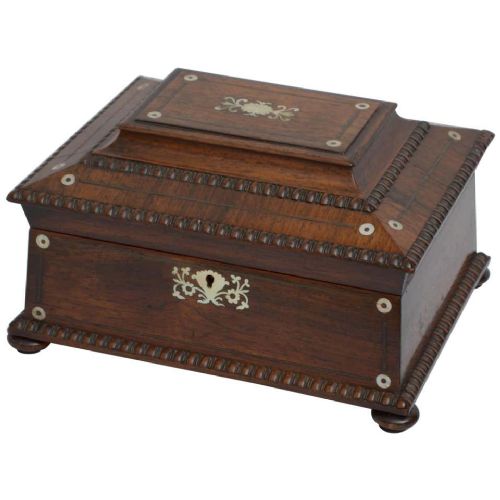
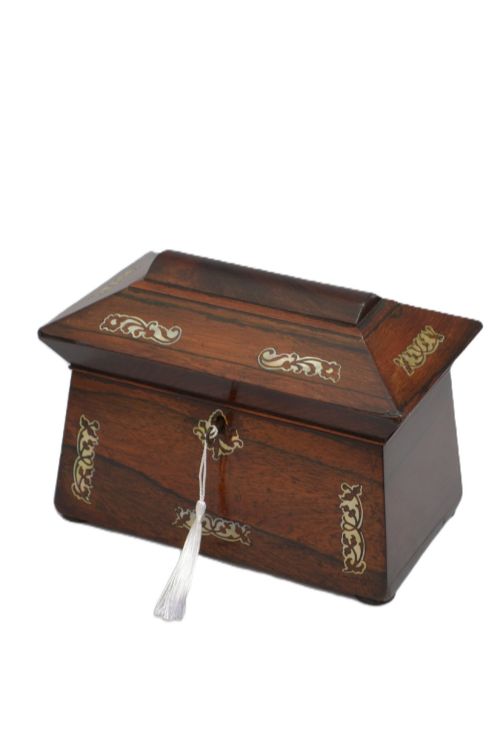
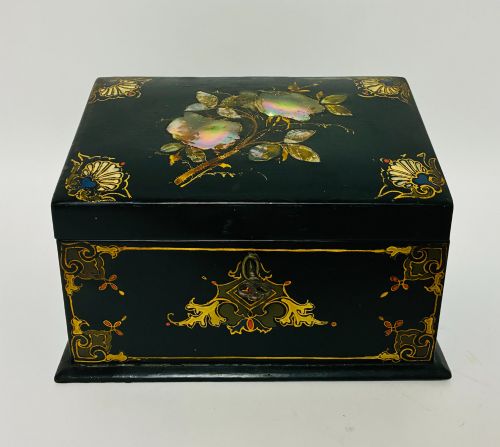
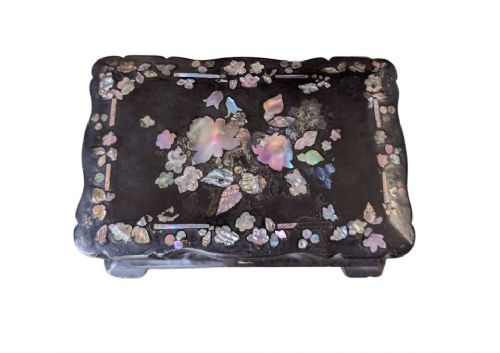
These mother of pearl trinket box pieces combine iridescent shell inlay with timber and lacquer, offering a decorative vessel to store personal keepsakes.
Mother of Pearl Trinket Box
A mother of pearl trinket box is a small storage container utilised for jewellery, rings, pills, and personal keepsakes. These pieces appear in forms ranging from dedicated jewellery chests and tea caddies to stationery boxes, sewing cases, and small pill containers.
The versions most commonly met on this page date from the Victorian period and the nineteenth century, alongside Regency, Edwardian, and early twentieth century examples. Many items originate from English workshops, while others reflect Anglo-Indian, Ottoman, Chinese Export, and Qing Dynasty traditions.
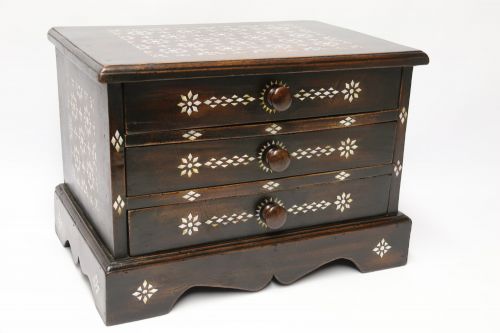
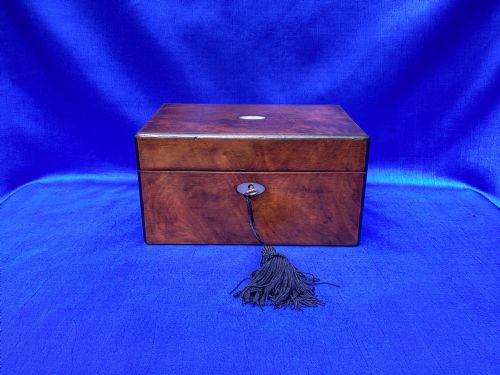
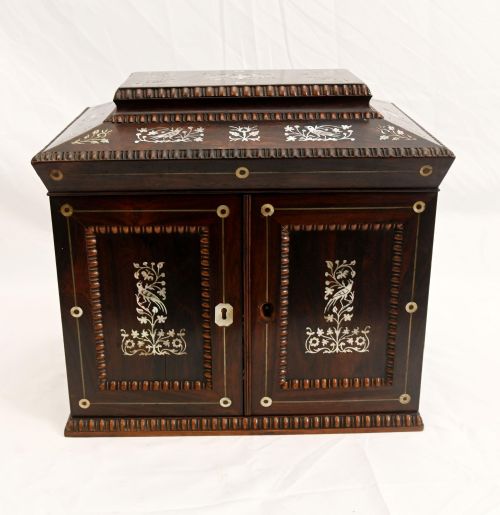
Makers constructed these receptacles in various scales, from miniature chests of drawers and cabinets to desktop caskets and pocket-sized pill boxes. Structural woods often include rosewood, walnut, coromandel, mahogany, and hardwood, frequently accented with brass, silver, or gilt bronze.
How they were made
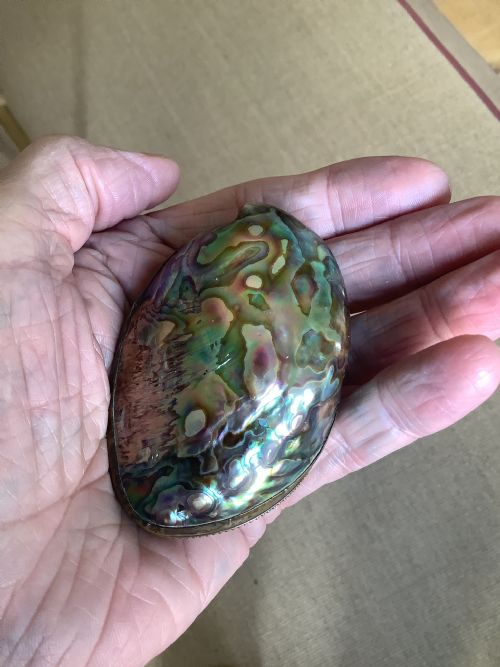
Craftspeople shaped mother of pearl and abalone shell into thin geometric or floral tesserae, embedding them directly into timber foundations such as rosewood, walnut, and coromandel. Alternatively, artisans applied shell fragments onto papier-mâché and lacquered surfaces, sealing the exterior to create a smooth, reflective finish.
Makers incorporated brass, silver, and gilt bronze for hinges, escutcheons, and structural mounts, securing the components with traditional joinery. Interiors often received silk linings, mirrors, and fitted compartments tailored for sewing implements, writing slopes, or jewellery.
The listings show periods spanning from the Regency era through to the Edwardian period, utilising rosewood, walnut, coromandel, and papier-mâché.
What varies in quality
The refinement of the shell inlay distinguishes different grades of work, with tightly fitted, intricately engraved mother of pearl motifs representing higher standards of craftsmanship. The choice of primary foundation material also dictates quality, as dense exotic hardwoods like coromandel and burr walnut require greater skill to carve and inlay than standard timbers.
Internal execution separates simpler receptacles from superior dressing cabinets, particularly where makers integrated custom silk linings, functional mirrors, and multi-tiered fitted interiors. The preservation of the original lacquer, paper-mâché structure, and metal hardware determines the integrity of the surviving piece.
The Mother of Pearl Trinket Box Glossary
- Mother-of-pearl
- An iridescent inner layer of mollusc shell utilised for decorative inlay on boxes and furniture. This material catches the light with shifting tones of silver, pink, and green.
- Papier-mâché
- A composite material formed from paper pulp or layers of paper bound with glue, then moulded and lacquered. It provided a smooth dark surface ideal for holding inlaid shell panels.
- Tea caddy
- A container originally manufactured for storing tea leaves in dry conditions. Many examples feature internal compartments and secure lids.
- Coromandel
- A dense, heavily figured tropical hardwood native to Asia, prized for dark brown grain and golden striping. Makers frequently employed it for luxury Victorian vanity boxes.
- Escutcheon
- A protective metal plate surrounding a keyhole, usually fashioned from brass. It prevents the surrounding wood or shell from wearing away during use.
Mother of Pearl Trinket Box: Frequently Asked Questions
What were these boxes used for?
These receptacles served various domestic purposes depending on their internal layout and scale. Owners stored valuable jewellery, sewing implements, stationery, or loose trinkets inside them.
Smaller iterations functioned as pill boxes or pocket keepsakes, while larger cabinets accommodated comprehensive dressing table accessories and letters.
How do I care for my box?
Protect the wooden or papier-mâché body by keeping the item away from direct sunlight and fluctuating humidity levels. Gentle dusting with a dry, soft cloth maintains the polished surface.
Avoid liquid cleaners or polishes that might seep beneath the mother of pearl inlay or damage delicate interior silk linings.
How do I tell Victorian boxes apart?
Victorian examples frequently display rich rosewood or burr walnut foundations combined with profuse mother of pearl floral or geometric inlay. Examining the secondary woods, hinges, and paper or silk linings helps distinguish mid-nineteenth century production from later periods.
Later Edwardian and early twentieth-century variations often incorporate silver mounts or lean towards Oriental and Anglo-Indian carving styles.
Are all these boxes English?
While many items originate from English workshops utilising local or imported colonial timbers, the selection includes international examples. Pieces from Qing Dynasty China and the Ottoman Empire demonstrate distinct regional woodworking and lacquering traditions.
Anglo-Indian chests further combine British cabinet forms with native carving techniques and localized hardwood species.