




Mother of Pearl Sewing
Mother of pearl sewing pieces are refined containers and accessories holding needles, threads, and implements, prized for their iridescent shell surfaces.
Mother of Pearl Sewing
Mother of pearl sewing items comprise fitted boxes, caskets, etuis, and companions designed for domestic needlework. The pieces span the nineteenth century, including Regency, Victorian, and Edwardian periods.
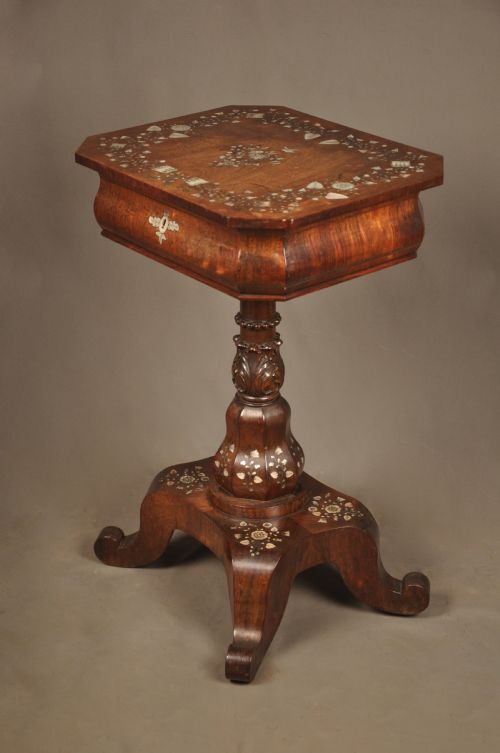
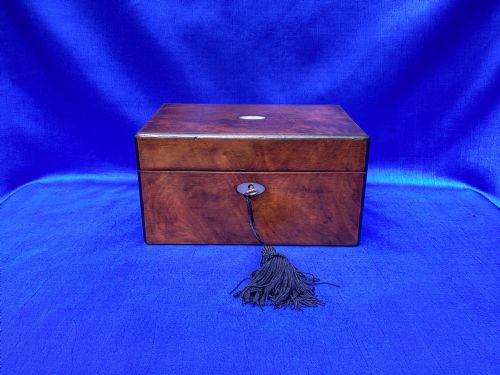
Rosewood boxes inlaid with mother of pearl appear most frequently on this page. Other forms include papier-mache caskets, work tables, and tortoiseshell or coromandel vessels.
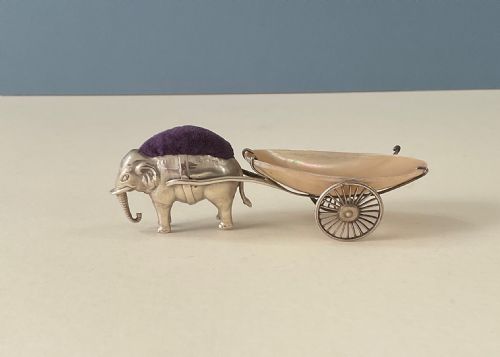
Makers such as Edwards contributed to these works, alongside French Palais Royal items featuring gilt and ormolu fittings. Smaller necessaires and pin cushions complete the selection.
Materials and construction
Craftsmen inlaid thin iridescent shell sections into dense timbers like rosewood, coromandel, and walnut. Brass and silver wire often supplemented the shell inlay to form geometric or floral patterns.
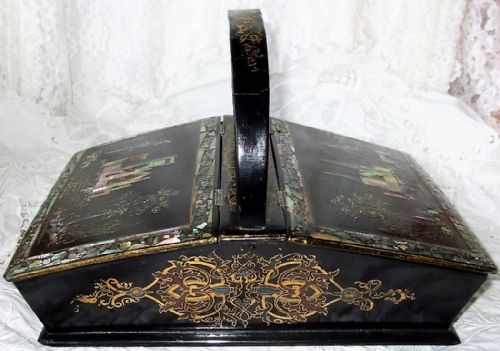
Papier-mache provided a smooth dark ground for shell plaques on needlework caskets and work tables. Silk linings, original gold fittings, and glass or gilt accessories finished the interior compartments.
Mother of Pearl Sewing Retail Price Guide 2026
Typical asking prices for mother of pearl sewing among the pieces listed under this phrase on Sellingantiques today, from the lower quarter to the upper quarter. They describe what is for sale here now, not the wider market.
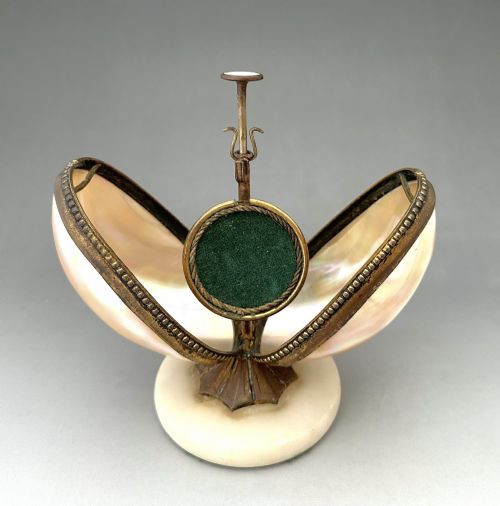
A selection of sewing companions takes the whimsical shape of an egg.
Judging quality and craftsmanship
Quality rests on the precision of the shell inlay and the complexity of the timber carcass. Fully fitted interiors with intact gold fittings, scissors, and needle cases elevate a piece above simpler boxes.
The choice of foundation material influences the grade, with coromandel and tortoiseshell housing finer examples than standard mahogany or basic woods. Intricate silver wire stringing and sound structural joinery distinguish superior items.
Edwards
The Mother of Pearl Sewing Glossary
- Etui
- A small ornamental case for holding needles, scissors, and other small implements. These French examples often feature carved mother of pearl shell panels.
- Necessaire
- A compact container holding essential personal or sewing tools. They frequently contain original gold or gilt fittings.
- Papier-mache
- A heavy composite material made from paper pulp or layers of paper bound with glue, pressed, and dried. It forms a smooth dark surface suitable for shell inlay.
- Coromandel
- A dense, heavy timber with dark brown and contrasting streaks, used for high-end nineteenth-century boxes. It provides a rich background for mother of pearl.
- Sarcophagus
- A box shape featuring a domed or sloping lid resting on a rectangular base. This form appears frequently among rosewood sewing cases.
Mother of Pearl Sewing: Frequently Asked Questions
What is a mother of pearl sewing box?
These are nineteenth-century wooden or papier-mache containers lined with silk and fitted with compartments for threads, thimbles, and needles. The lids and surfaces feature inlaid iridescent shell plaques.
Such boxes served as practical desktop accessories for ladies undertaking needlework in period homes.
How do I date a sewing box?
Dating relies on timber choices, exterior shapes, and interior fittings. Regency and early nineteenth-century examples often employ rosewood with simple geometric shell inlay.
Later Victorian and Edwardian pieces incorporate coromandel, walnut, or papier-mache alongside more elaborate silver wire stringing and fitted trays.
What are Palais Royal sewing pieces?
Palais Royal items originate from French workshops associated with the famous shopping galleries in Paris. They frequently take the form of etuis, necessaires, or egg-shaped containers carved from whole mother of pearl shells.
These pieces often include gilt bronze mounts and specialised sewing implements designed for wealthy travellers.
How should I care for these boxes?
Keep the timber and shell away from direct sunlight and extreme temperature fluctuations to prevent wood splitting and glue drying. Dust gently with a dry cloth and avoid liquid polishes on the interior silk.
Store them in stable indoor environments to preserve the delicate brass stringing and mother of pearl inlay.