



Moreau Bronze
These moreau bronze pieces unite French foundry artistry with classical and Art Nouveau grace, bringing figurative charm to any room.
Moreau Bronze
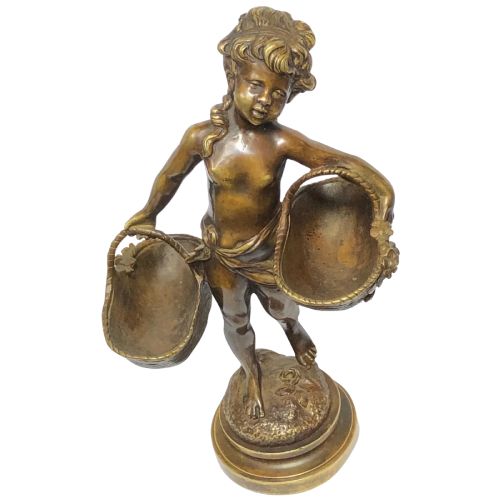
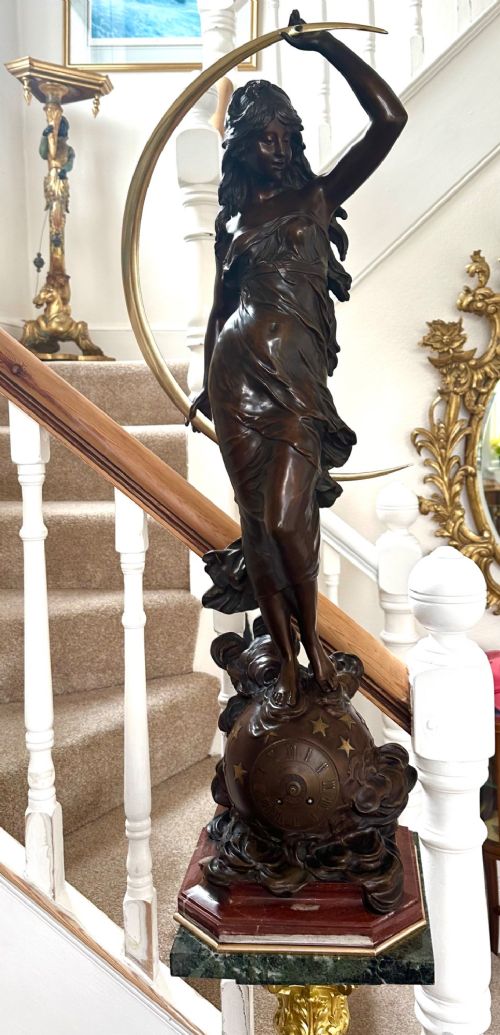
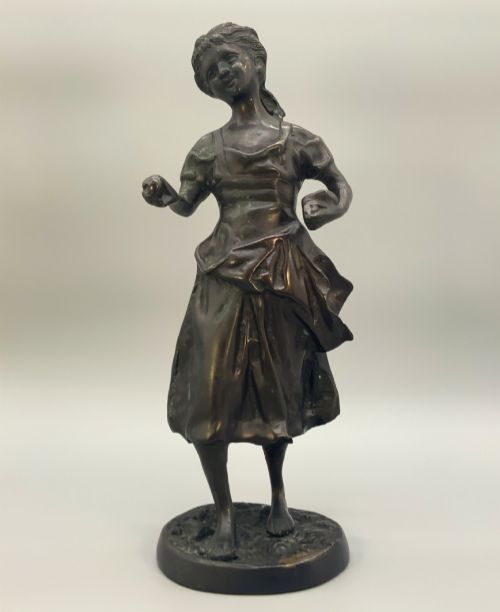
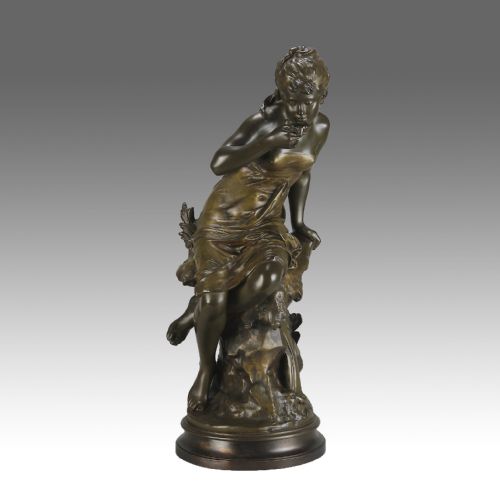
When you search for moreau bronze, you encounter nineteenth-century French figural works originating from a celebrated artistic family. The selections span mantel clocks, table lamps, and freestanding sculptures depicting maidens, putti, and mythological figures.
Most pieces date from the Victorian era through the early twentieth century, encompassing French 19th Century and French Art Nouveau movements. You will frequently find figures representing allegorical themes like spring, youth, and classical deities.
Materials and construction
Foundries utilised traditional casting methods in bronze, alongside alternative metals such as spelter and patinated metal. Many works incorporate bases or decorative elements of marble, brass, onyx, glass, and wood.
Surfaces received patination, silvering, or bronzed finishes to emulate heavier metalwork and accentuate the fine drapery and facial expressions of the subjects.
Moreau Bronze Retail Price Guide 2026
Typical asking prices for moreau bronze among the pieces listed under this phrase on Sellingantiques today, from the lower quarter to the upper quarter. They describe what is for sale here now, not the wider market.
Listings feature works spanning the nineteenth and early twentieth centuries, including the Victorian, Art Nouveau, and Belle Epoque periods.
Judging the work
Quality rests upon the crispness of the chased detail in the casting and the sensitivity shown in the human form. Superior examples display refined hand-finishing on hair, fingers, and floral motifs rather than soft, obscured edges.
The choice of medium alters the character of the piece, with genuine bronze offering greater durability and sharper definition than alternative cast metals like spelter. Integrated elements such as mounted clocks or fitted lamp fixtures also influence the overall cohesion of the design.
Auguste Moreau·Mathurin Moreau·Louis Auguste Moreau·L and F Moreau·H Moreau
The Moreau Bronze Glossary
- Spelter
- A zinc alloy frequently utilised in French figural casting as an economical alternative to bronze. It takes patination well but requires gentle handling due to its softer composition.
- Patinated Bronze
- Bronze treated with chemical solutions to produce a specific surface colour and tone. This finish protects the metal while highlighting sculptural contours.
- Art Nouveau
- An international style of art and architecture prevalent around 1900, characterised by intricate linear designs and flowing motifs inspired by natural forms. Figures from this period often feature windswept hair and floral garlands.
- Neoclassical
- A style reviving classical Greek and Roman artistic elements, visible in subjects depicting Roman orators, emperors, and mythological deities.
- Putto
- A figure of a small human baby, frequently winged, appearing often in lamps and allegorical sculptures.
Moreau Bronze: Frequently Asked Questions
Who were the Moreau sculptors?
The Moreau family produced numerous celebrated sculptors working in France throughout the nineteenth and early twentieth centuries. Their output focused primarily on graceful human figures, allegories, and decorative objects.
Family members trained within the French academic tradition, exhibiting regularly at the Paris Salon. Their sculptural models became immensely popular for domestic display across Europe.
Where should I place a figural lamp?
Figural lamps function best as focal points on sturdy side tables, mantelpieces, or pedestals where their vertical height can be appreciated. Ensure they sit away from direct sunlight to preserve the patinated finish.
Wiring should be checked by a qualified professional to ensure safety when integrating nineteenth-century metalwork with modern electrical standards.
What themes do these sculptures depict?
The subjects draw heavily from classical mythology, seasonal allegories, and romanticized rural life. Common representations include maidens carrying flowers, water carriers, cupids, and figures personifying natural elements.
These narratives reflect the Victorian and Belle Epoque taste for decorative art that combined storytelling with classical beauty.