




Moorcroft Ceramic Vessel
These pieces of moorcroft ceramic vessel bring rich glazes and distinct botanical motifs into any room, offering the collector true earthenware craftsmanship.
Moorcroft Ceramic Vessel
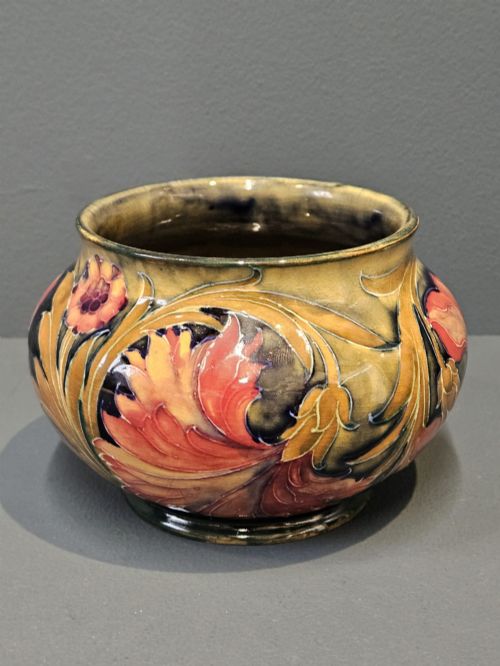
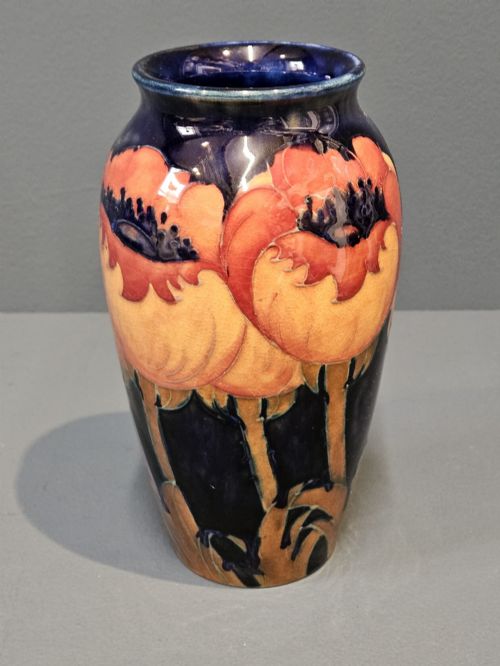
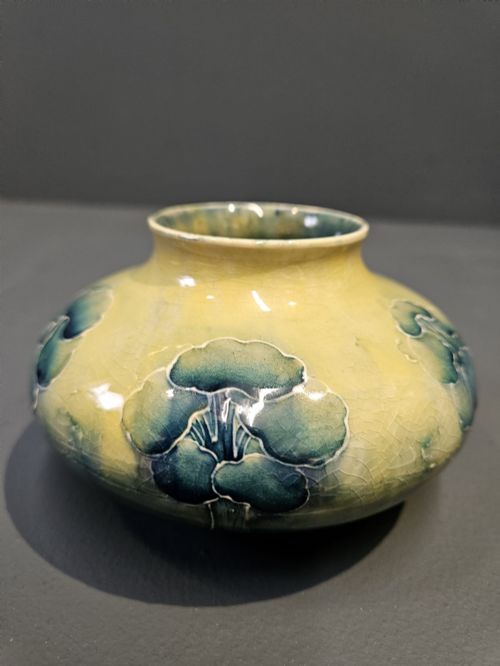
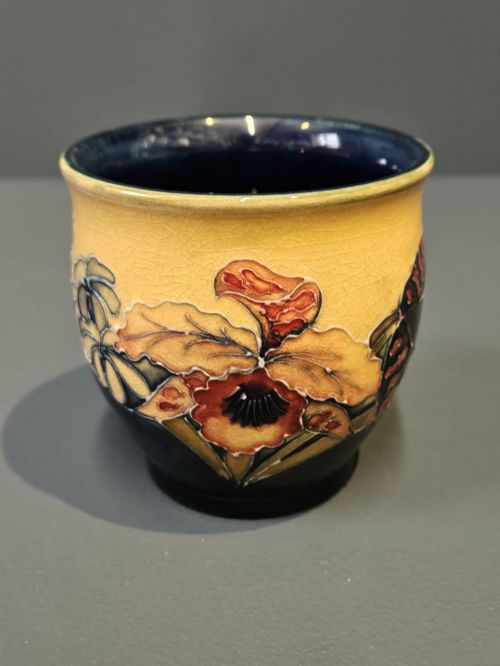
When someone searches for a moorcroft ceramic vessel, they encounter distinctive earthenware forms shaped by notable designers and potteries. The pieces available span the early twentieth century, showing a clear preference for vases and decorative bowls.
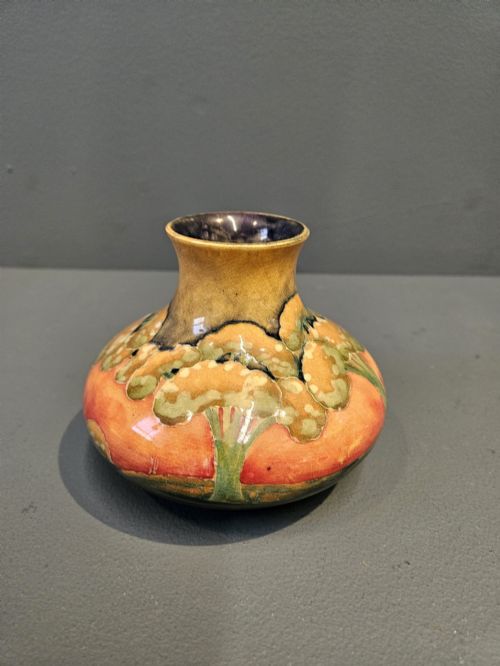
Vases dominate the selection, appearing in various profiles such as squat shapes and larger decorative vessels. These objects reflect the prominent design movements of their respective decades.
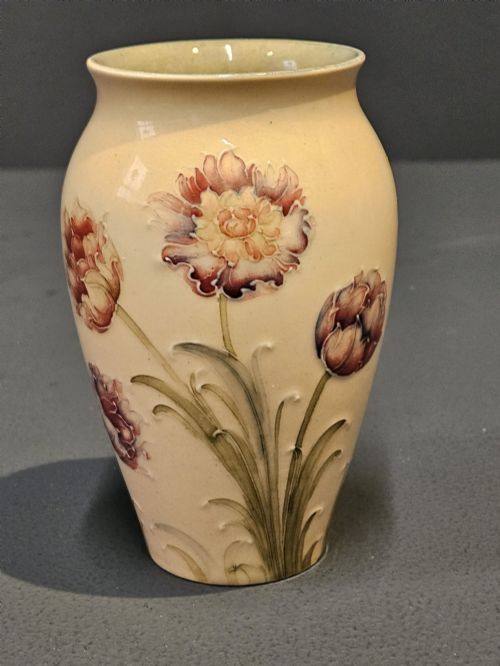
The most likely items to meet on this page are earthenware vases originating from the nineteen-tens through to the nineteen-thirties. They carry characteristic floral and foliate themes executed in rich ceramic glazes.
How they were made
Makers formed each vessel from earthenware, shaping the clay into vases and bowls before applying surface decoration. Potters then coated the shaped body in ceramic glaze to seal the piece and add colour.
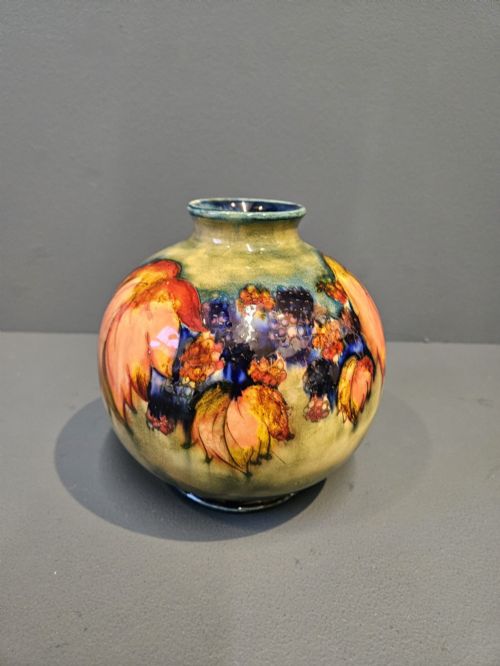
Specialised firing techniques produced specific surface effects, including the distinctive flambe glaze seen on later examples. Guild methods and retail partnerships shaped the final presentation of these objects.
Moorcroft Ceramic Vessel Retail Price Guide 2026
Typical asking prices for moorcroft ceramic vessel among the pieces listed under this phrase on Sellingantiques today, from the lower quarter to the upper quarter. They describe what is for sale here now, not the wider market.
Blackberries and leaves proved surprisingly popular subjects for early potters seeking texture.
What varies in quality
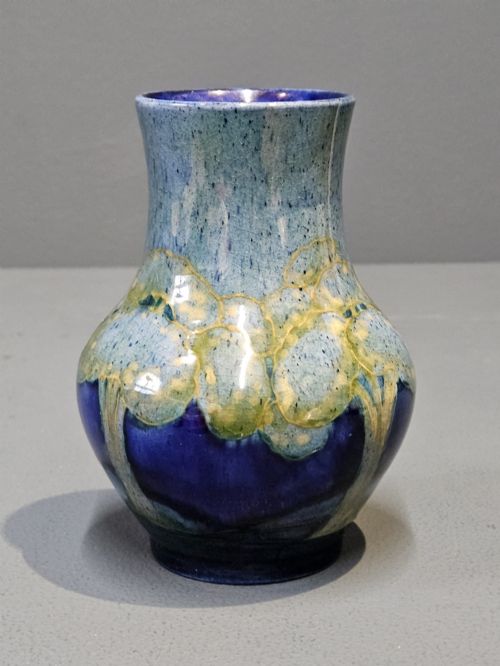
Quality rests upon the execution of the glaze and the clarity of the applied design. Pieces finished with complex flambe effects or distinct colour variations stand apart from standard production items.
The sophistication of the botanical pattern and the reputation of the specific collaboration, such as retail commissions, elevate certain examples above others. The harmony of the form with its specific glaze dictates the overall success of the piece.
William Moorcroft·A Macintyre and Co·Liberty and Co
The Moorcroft Ceramic Vessel Glossary
- Earthenware
- Porous pottery fired at lower temperatures, forming the primary body for these vessels before glazing. It requires a protective ceramic glaze to hold liquids.
- Flambe
- A rich, mottled glaze technique achieved through controlled reduction firing, creating depth and varied colour movement across the surface. This finish creates dramatic visual effects on the ceramic body.
- Squat vase
- A short, wide vessel form with a low centre of gravity, often utilised for bulbous floral designs. This specific shape alters the visual balance of the surface patterns.
- Macintyre
- A pottery company that partnered with early designers to produce specialised wares before independent studios were established. Their collaborative pieces mark an important early chapter.
Moorcroft Ceramic Vessel: Frequently Asked Questions
What periods do these vessels cover?
The pieces span the early decades of the twentieth century, specifically appearing across the nineteen-tens, twenties, and thirties. Each decade brings distinct stylistic shifts in form and glaze.
This progression traces the evolution of the pottery from early collaborations through to later independent studio output.
How are the botanical motifs applied?
Makers utilised raised outlining techniques to contain the rich ceramic glazes before firing. This method gives the foliage and floral elements a tactile, dimensional quality.
The technique defines the signature aesthetic associated with these particular ceramic vessels.
Where were these vessels retailed?
Prominent London department stores like Liberty and Co retailed selected pieces alongside independent gallery outlets. These commercial partnerships influenced the specific designs commissioned.
Such retail connections often appear in the historical attribution of early pieces.
What forms do the vessels take?
The selection consists primarily of vases in various profiles, alongside occasional decorative bowls. Forms range from tall botanical display pieces to compact squat shapes.
Each vessel shape provides a different canvas for the applied glazes and hand-finished patterns.