
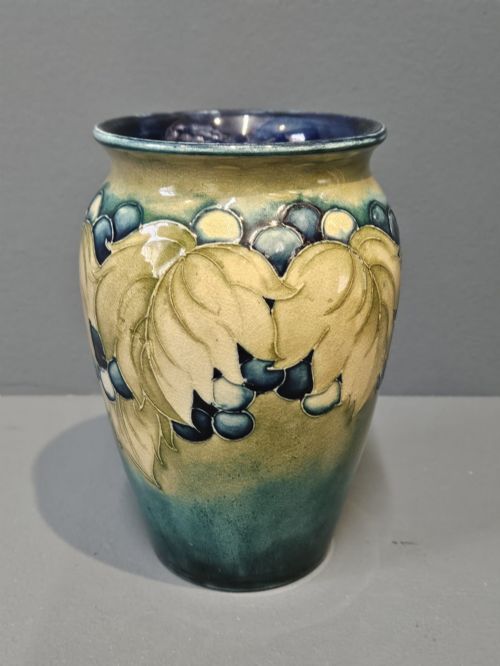
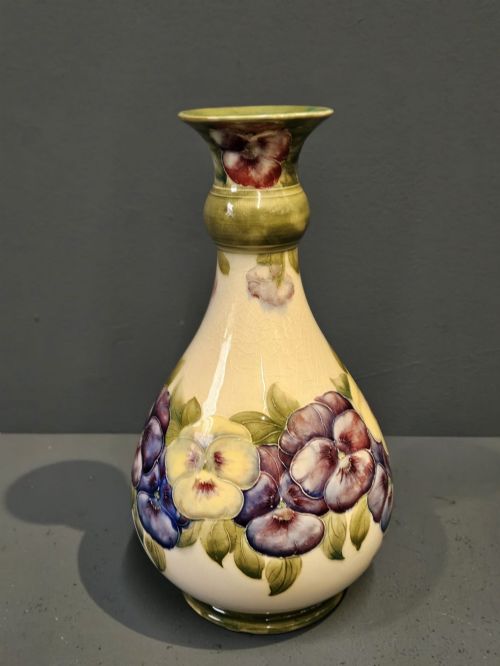


Moorcroft Ceramic Vase
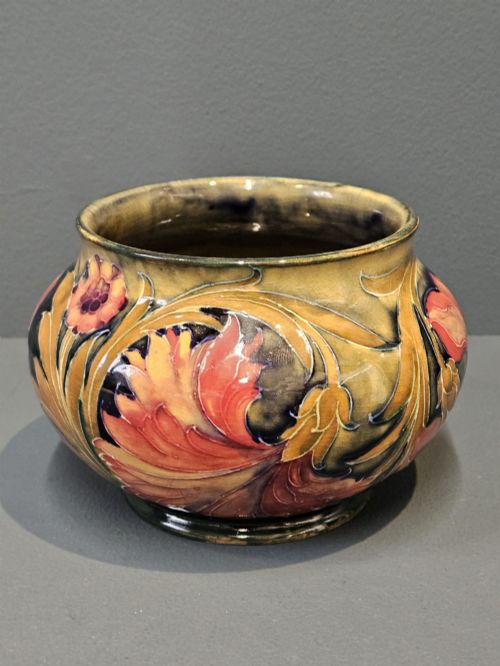
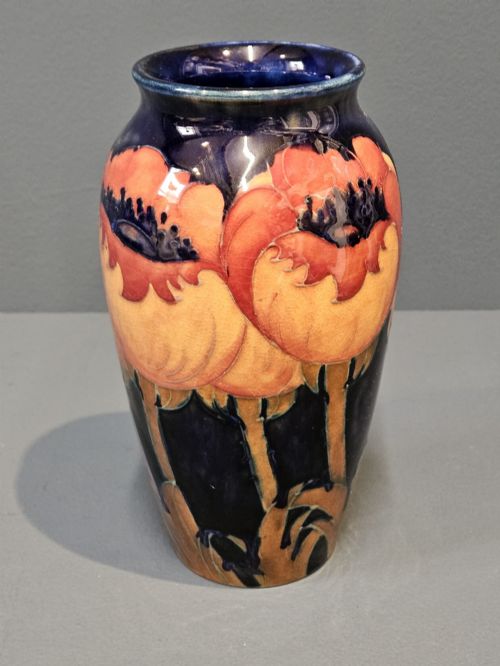
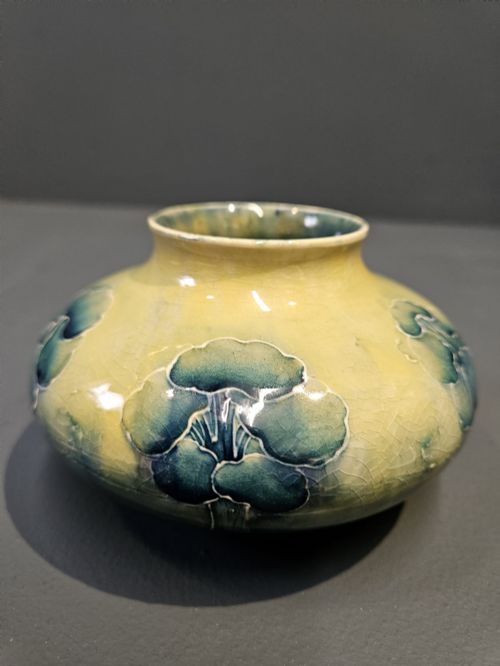
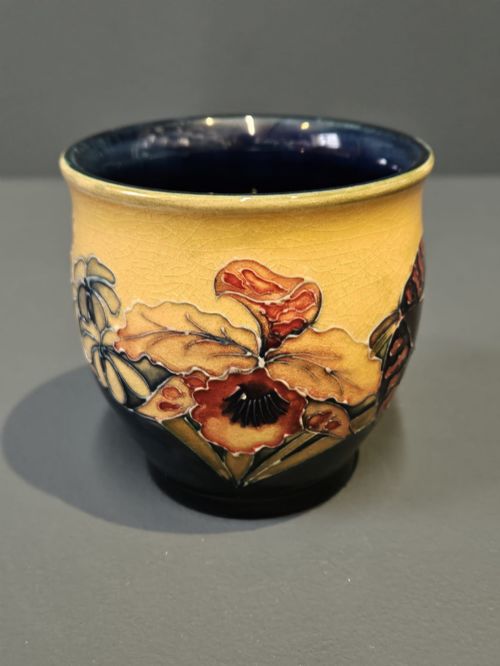
These pieces of moorcroft ceramic vase carry the unmistakable weight of British art pottery, prized for their rich colour and distinctive tube-lined floral designs.
Moorcroft Ceramic Vase
When you search for a moorcroft ceramic vase, you encounter a lineage of British art pottery spanning from the late nineteenth century through the art deco era. The pieces presented here range from early Macintyre productions to later signature works, covering forms such as small decorative vessels and twin-handled shapes.
Botanical motifs dominate the selection, with recurring patterns featuring pansies, pomegranates, orchids, and leaves. Collectors most frequently meet earthenware bodies adorned with tube-lined glazes that give each surface a distinct tactile depth.
How they were made
Potters shaped these glazed earthenware and ceramic bodies by hand before applying intricate tube-lined designs that separated the areas for coloured glazes. The technique allowed artists to trap liquid clay lines onto the surface, creating raised barriers that kept vibrant pigments from running during firing.
Specialised firing methods brought out the varied sheen of the glazes, whether through rich fluid surfaces or more unusual salt glazed finishes. Certain works also incorporated gold leaf detailing, adding a layer of metallic contrast to the fired ceramic.
Early decorators occasionally hid tiny hand-painted signatures under the glaze, turning each vase into a miniature treasure hunt.
What varies in quality
The distinction between standard production pieces and superior examples rests on the crispness of the tube-lining and the depth of the glaze application. Early pieces carrying specific retailer associations or individual artist signatures command particular attention for their historical milestone value.
Complexity of pattern execution and the success of the kiln transformation separate ordinary vessels from masterworks. The interplay of colour tones across botanical motifs dictates the visual strength of each individual piece.
William Moorcroft·Macintyre and Co·Liberty and Co
The Moorcroft Ceramic Vase Glossary
- Tube-lining
- A decorative technique where a fine line of liquid clay is squeezed onto a ceramic body to outline a pattern before glazing. This creates raised borders that contain the pools of coloured pigment.
- Earthenware
- A porous type of pottery fired at lower temperatures, commonly used as the base body for these glazed art ceramics. It requires a vitreous glaze layer to hold liquids.
- Art Pottery
- Ceramics produced by artists and studios focusing on aesthetic qualities rather than purely utilitarian output. These works often embrace historical revival styles and individual craftsmanship.
- Macintyre
- A prominent pottery manufacturer that employed early designers and produced the foundational earthenware bodies for many iconic British decorative wares. Their early collaborations established a standard for studio ceramics.
Moorcroft Ceramic Vase: Frequently Asked Questions
How do I date a Moorcroft vase?
Dating relies on examining the factory marks, impressed stamps, and handwritten signatures found on the underside of the earthenware body. Comparing the specific botanical pattern and retailer association against known production periods also helps narrow the timeline.
Early pieces often feature Macintyre markings alongside the designer's signature, while later examples transition to distinct monogram stamps. Documented shifts in glaze styles and colour palettes provide further clues for chronological placement.
What is tube-lining?
Tube-lining is the signature decorative method used on these ceramic vases where a thin trail of liquid clay is piped onto the unglazed surface. This forms raised outlines that map out the floral or geometric motifs before colour application.
The technique creates cells that prevent the liquid glazes from bleeding into one another during firing, resulting in stained-glass-like definition once finished.
Where were these vases made?
These pieces originated in the heart of the Staffordshire pottery district in England, a region renowned for industrial and artistic ceramic manufacturing. Workshops and factories in this area employed skilled artisans to throw, line, and glaze each vessel.
Many of these specialised art pottery lines were retailed through prominent London department stores, connecting regional production with metropolitan buyers.
How should I display my vase?
Display these glazed earthenware vessels away from direct, harsh sunlight to protect the rich pigments of the glazes over time. Placing them on stable surfaces where their tactile tube-lined textures can be appreciated at close range works best.
Allowing sufficient space around each piece lets the distinct botanical forms and colour gradients stand out without visual clutter.