



Moorcroft Art Vase
These pieces of moorcroft art vase bring rich tube-lined botanical patterns and deep ceramic glazes straight into your room.
Moorcroft Art Vase
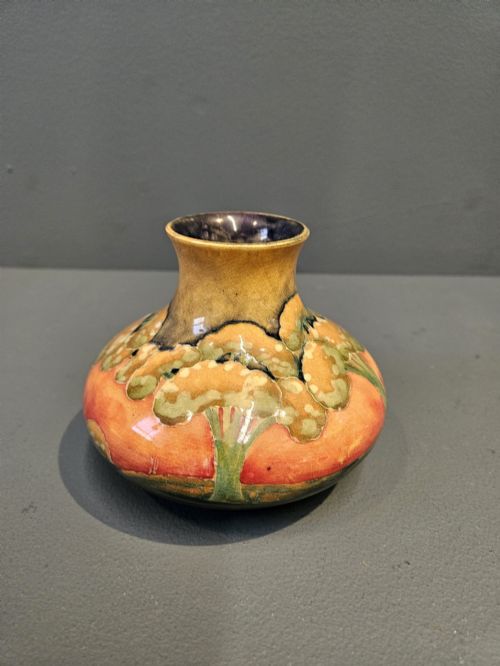
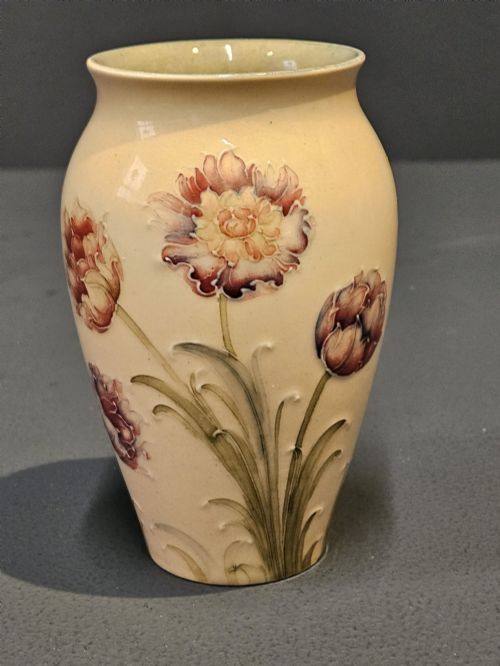
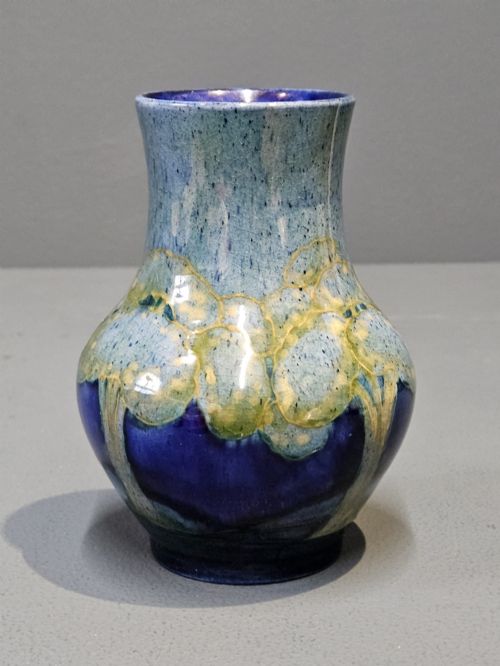
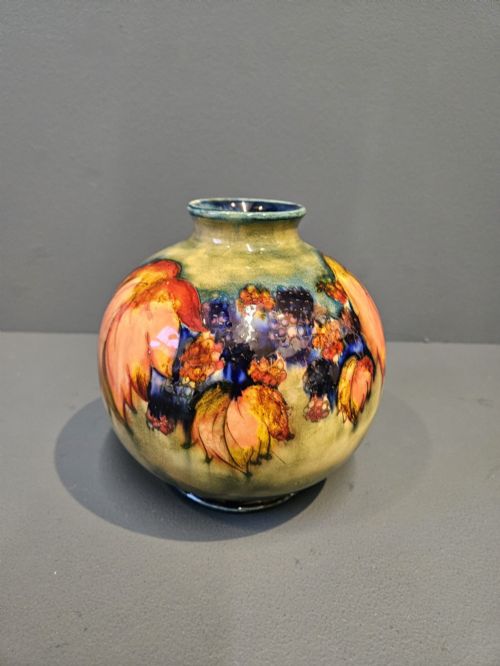
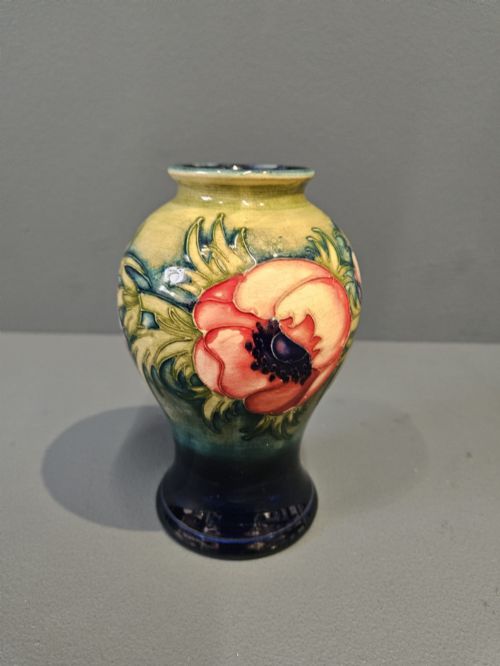
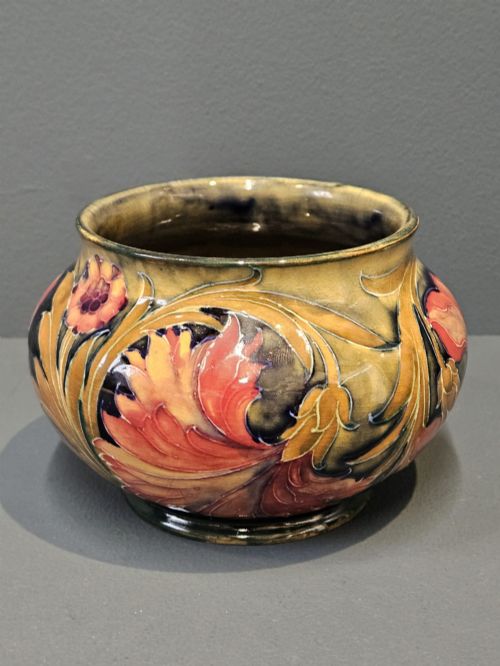
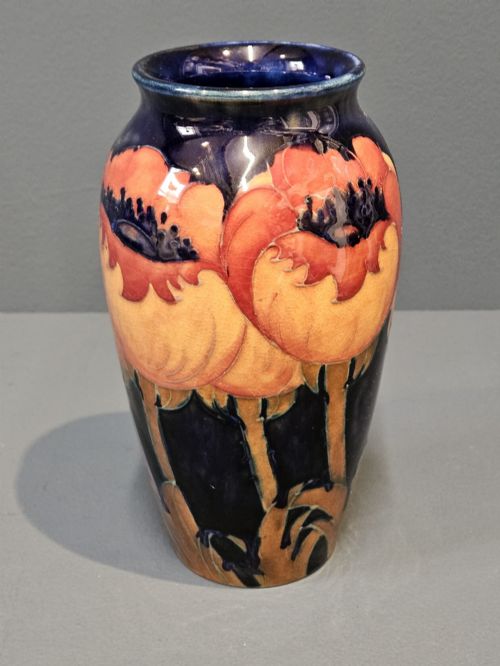
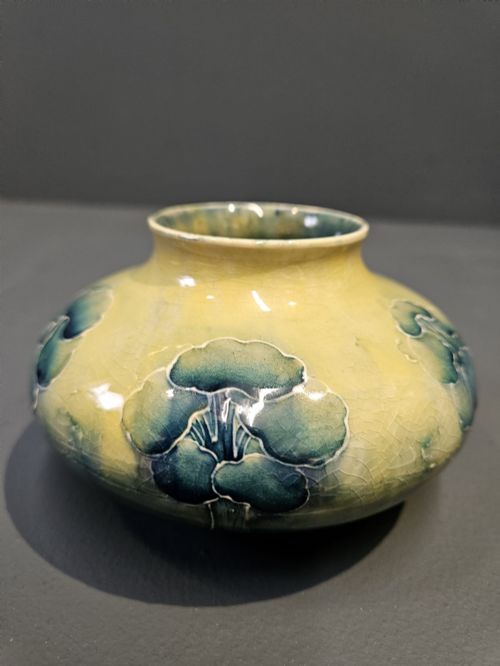
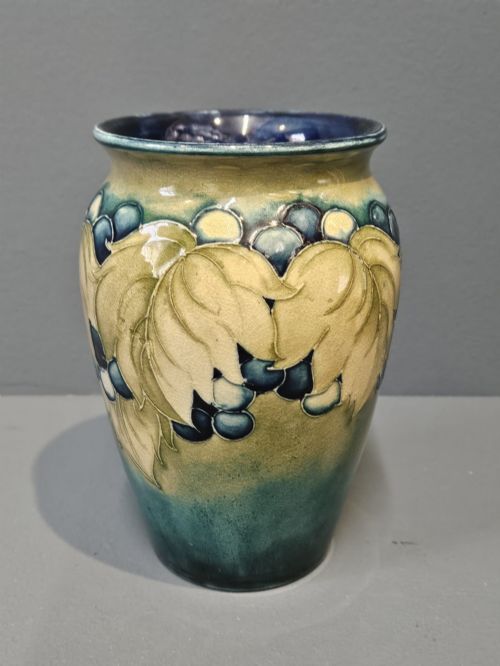
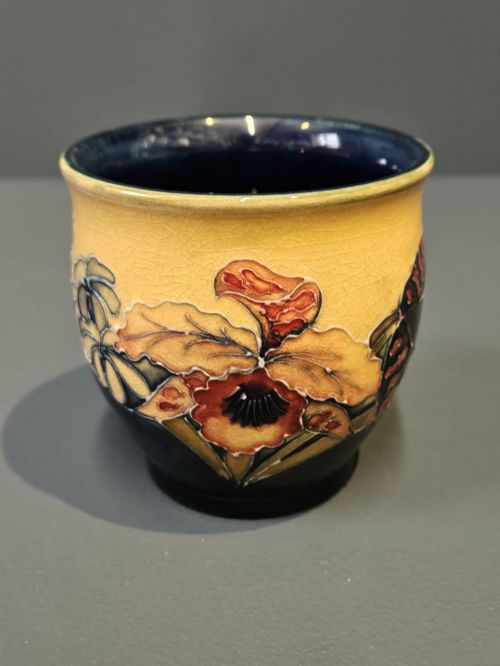
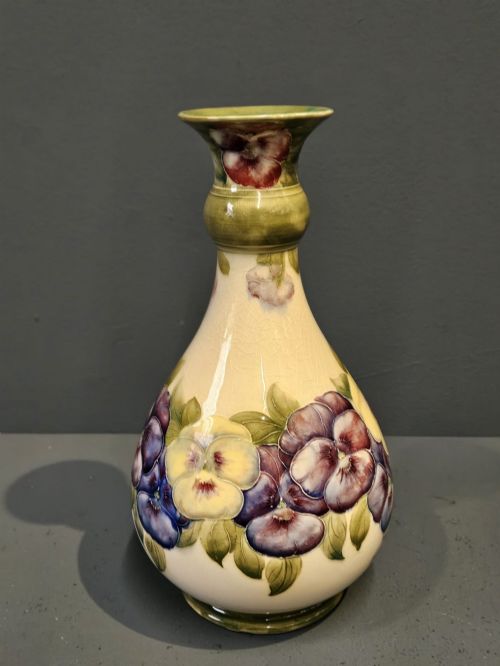
A moorcroft art vase displays distinctive raised slip decoration applied by hand to earthenware bodies. The forms range from squat vessels to tall twin-handled shapes, capturing organic plant motifs across several decades of production.
You will encounter pieces originating from the Victorian era, the Edwardian period, and through the Art Nouveau, Arts and Crafts, and Art Deco movements. Early examples often carry the Macintyre name alongside the designer's signature.
The decorative subjects focus heavily on flora, including pansies, poppies, anemones, orchids, and leaves with berries. Specific colourways such as flambé, celadon, and salt glaze mark distinct phases of studio output.
How they were made
Potters shaped the earthenware clay bodies before applying intricate designs using liquid clay trailed through a tube to form raised outlines. This signature technique creates the tactile barriers that separate each pool of vibrant glaze.
Skilled hands then painted the rich colours within these outlined cells using metallic oxides before firing the ceramic at high temperatures. Specialised kiln atmospheres produced experimental finishes like the crimson flambé or variegated salt glazes.
Moorcroft Art Vase Retail Price Guide 2026
Typical asking prices for moorcroft art vase among the pieces listed under this phrase on Sellingantiques today, from the lower quarter to the upper quarter. They describe what is for sale here now, not the wider market.
What varies in quality
The precision and complexity of the tube-lined botanical motifs dictate the visual weight of each vessel. Finer examples display intricate petal shading and balanced composition across the curved ceramic surface.
The depth and uniformity of the glaze finish separate standard production from exceptional studio outputs. Specialised firing techniques, such as the flambé or aurelian effects, introduce depth that elevates the piece.
William Moorcroft·Macintyre And Co·Liberty And Co
The Moorcroft Art Vase Glossary
- Tube-lining
- A method of applying liquid clay through a nozzle to build raised outlines on a ceramic surface. This technique traps the colourful glazes within distinct compartments during firing.
- Flambé
- A rich, variegated glaze achieved through a reduction firing atmosphere. It creates dramatic red and purple copper streaks across the ceramic body.
- Earthenware
- Porous pottery fired at lower temperatures than stoneware or porcelain. It serves as the primary clay body for these decorated vessels.
- Macintyre
- The commercial pottery firm that initially employed the designer and produced early collaborative wares. Pieces bearing this mark often date to the turn of the twentieth century.
- Salt glaze
- A finish created by throwing common salt into the kiln during high-temperature firing. This produces a textured surface with an orange-peel orange texture.
Moorcroft Art Vase: Frequently Asked Questions
How do I date an early vase?
Examine the base markings, as factory stamps and handwritten signatures changed across the Victorian, Edwardian, and later decades.
The presence of early employer names like Macintyre typically points to production from the turn of the twentieth century.
What is tube-lining decoration?
Tube-lining involves trailing liquid clay from a bulb onto the unglazed earthenware body to map out the botanical design in relief.
This raised border acts as a dam to keep different coloured glazes from running together in the kiln.
Why do some surfaces look glossy?
The glossy finish comes from the combination of metallic oxide paints and transparent ceramic glazes fused during firing.
Certain pieces utilise alternative finishes such as salt glazing or high-fired flambé effects instead of standard gloss.
Where should I display my vase?
Place your vessel in a well-lit space where natural light can catch the rich surface colours and raised slip details.
Ensure it sits on a stable, flat surface away from direct edges to protect the fragile earthenware body.