


Moorcroft Art Pottery
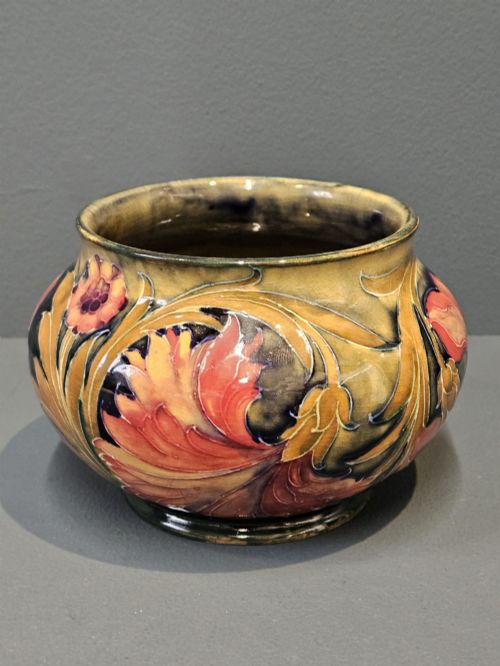
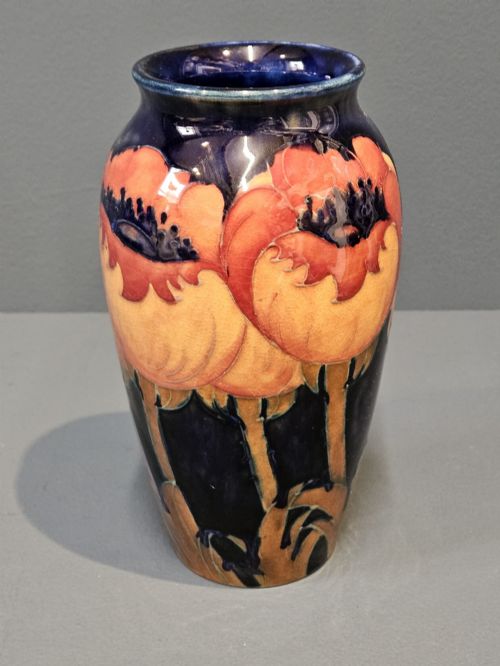
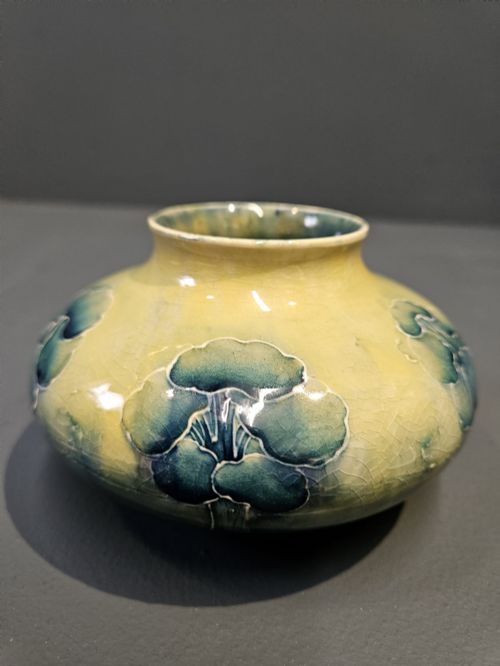
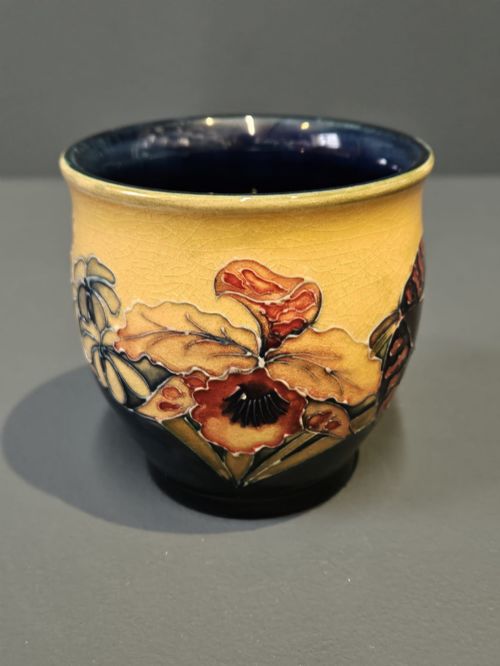
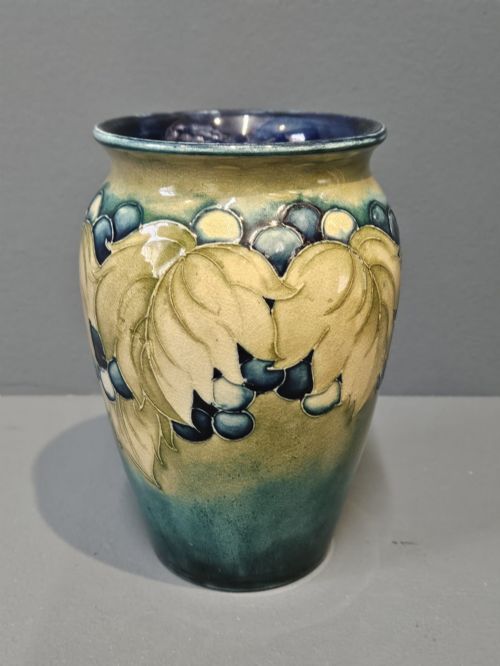
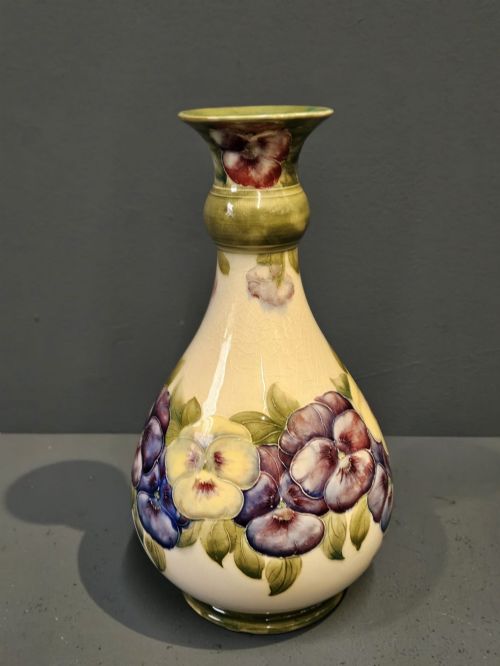
Moorcroft art pottery pieces are heavily glazed earthenware vessels carrying rich slip-trailed floral and foliate designs that collectors seek for their deep textures.
Moorcroft Art Pottery
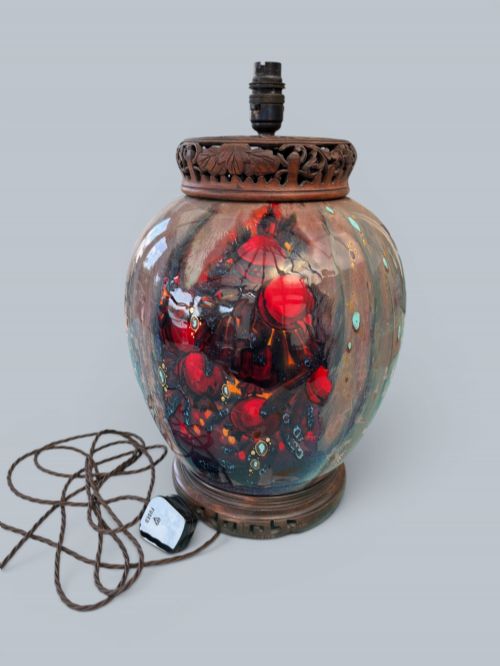
Moorcroft art pottery encompasses a variety of glazed earthenware vessels spanning from the late nineteenth century through the Art Nouveau, Arts and Crafts and Art Deco periods. Buyers looking for moorcroft art pottery encounter forms ranging from squat vases and large bowls to tea services, table lamps and compotes.
The earlier pieces often bear the Macintyre mark alongside the designer's signature, linking them to Victorian and Edwardian production. Later twentieth-century examples shift towards bolder botanical patterns on celadon or yellow grounds.
Materials and construction
These ceramic pieces utilise earthenware bodies finished with heavy, glossy glazes that pool in the recessed lines of the decoration. The distinctive tube-lining technique builds raised outlines of clay slip by hand before glazing and firing.
Some decorative items integrate additional elements such as gold leaf, brass mountings or fitted wooden bases to complete the composition.
Early decorators painted tiny hidden initials underneath handles just to spite strict Victorian production quotas.
Factors of quality
Quality depends upon the clarity and complexity of the slip-trailed pattern and the depth of the ceramic glaze. Early pieces produced for retailers like Liberty & Co or bearing specific signatures hold particular distinction.
The preservation of the glazed surface and the crispness of the tube-lined motifs separate standard production items from more accomplished works.
William Moorcroft·Macintyre
The Moorcroft Art Pottery Glossary
- Slip-lining
- A ceramic decoration technique where liquid clay is piped onto an unglazed pot to create raised outlines. This method defines the characteristic tactile motifs of the pottery.
- Earthenware
- A porous type of pottery fired at lower temperatures than stoneware or porcelain. It requires a complete glaze coating to become completely impervious to liquids.
- Art Nouveau
- An international decorative style characterised by sinuous lines and organic plant motifs. It heavily influences the early floral designs found on these ceramics.
- Art Deco
- A design movement favouring streamlined geometric forms and symmetrical patterns. It emerges in the later twentieth-century pieces.
- Compote
- A raised decorative bowl standing on a stem, used historically for fruit or sweetmeats. These open vessels showcase interior glazed patterns.
Moorcroft Art Pottery: Frequently Asked Questions
How do I identify early Moorcroft?
Early pieces often feature the Macintyre company stamp alongside painted initials or signatures. They typically date from the late Victorian and Edwardian periods.
These older examples frequently display distinct Arts and Crafts or Art Nouveau styling in their vegetal patterns.
What is Florian ware?
Florian ware is an early style of slip-trailed ceramic produced during the foundational years of the pottery. It is recognised by its flowing blue-on-white or tinted floral motifs.
These pieces represent some of the earliest collaborative efforts with retail houses like Liberty & Co.
How should I clean my vase?
Dust ceramic items gently with a dry microfiber cloth to protect the glazed surface. Avoid using harsh chemical cleaners or submerging pieces with applied gold leaf or wooden mounts.
Careful handling preserves the integrity of the delicate earthenware body and the surrounding glaze.
Are all pieces signed?
Many items feature painted or impressed signatures, monograms or factory backstamps on the underside. The presence of these marks helps determine the period of manufacture.
Some early or utilitarian items may carry retailer stamps instead of direct artist signatures.