





Moon Phase Dial
A moon phase dial tracks the lunar cycle across a painted face, bringing mechanical precision and astronomical art into the heart of a home.
Moon Phase Dial
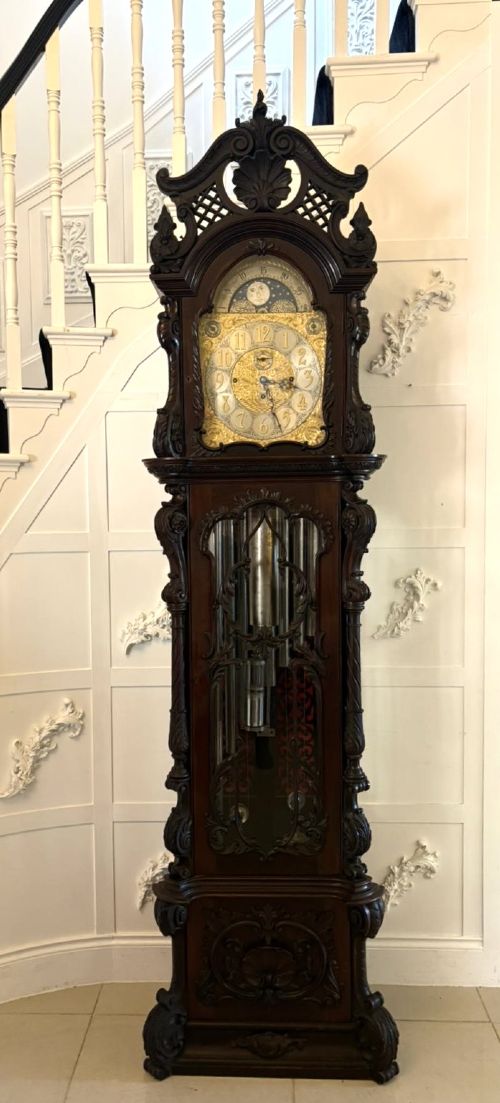
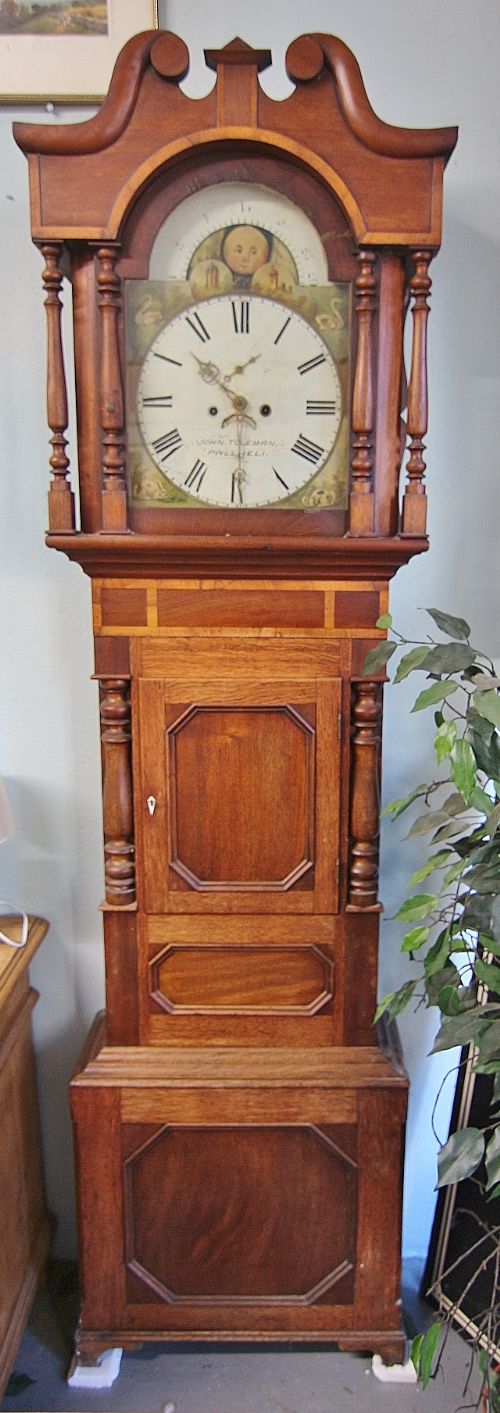
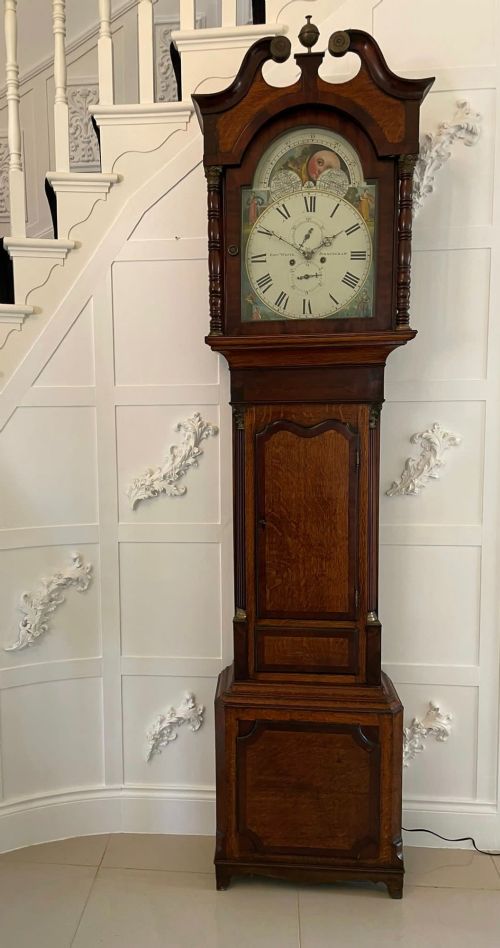
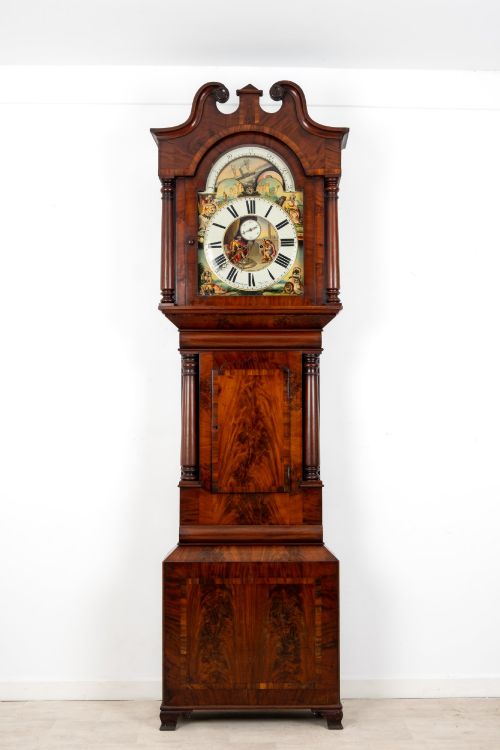
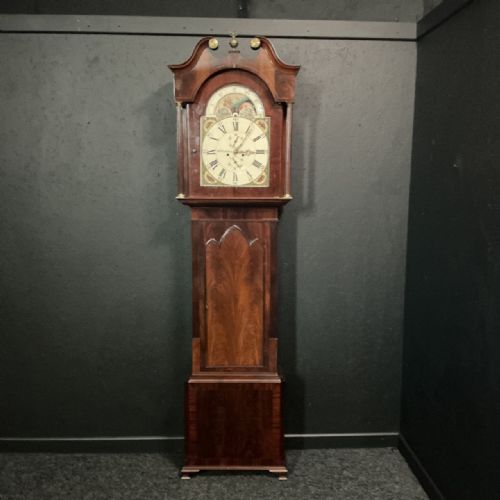
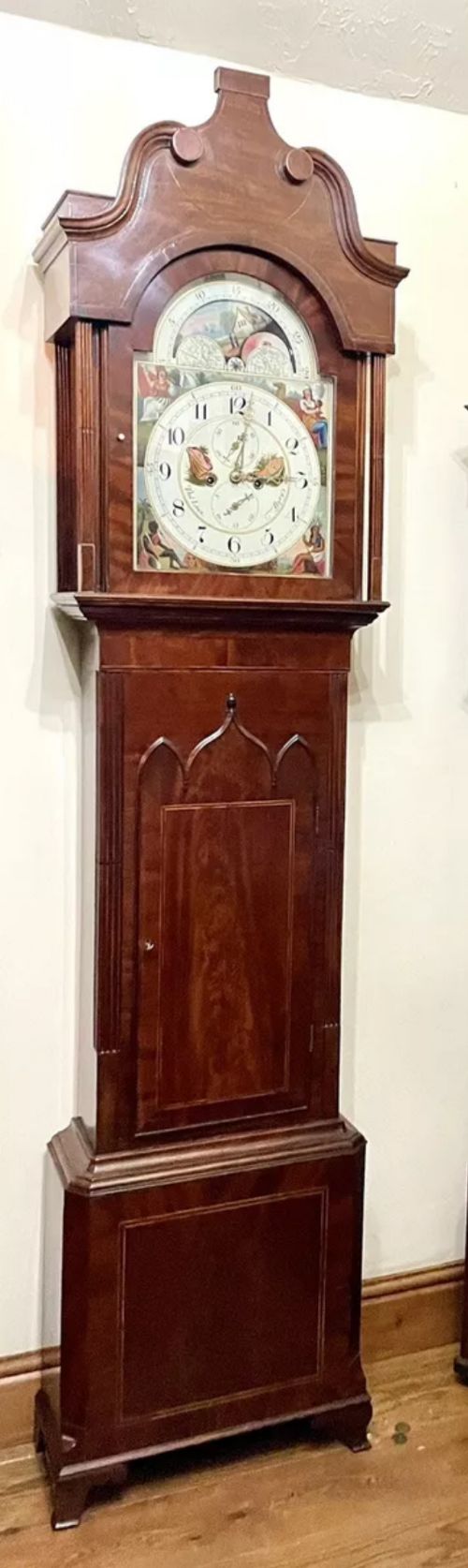
A moon phase dial shows the age and phase of the moon through a rotating disc or roller set behind an arched aperture on the clock face. These pieces appear most frequently housed within longcase clocks and grandfather clocks originating from the eighteenth and nineteenth centuries.
Makers housed these complicated movements in tall wooden cases constructed from mahogany, oak, or inlaid veneers. Buyers also encounter the mechanism inside French mantel clocks and pocket watches from later periods.
The layout typically combines regular timekeeping hands with a subsidiary disc displaying two painted moons that rotate once every twenty-nine and a half days. This complication transforms a functional timekeeper into a dynamic visual record of the night sky.
How they were made
Craftsmen built the movements using brass wheels, steel pinions, and iron components, driving the internal gear train to turn the rolling moon disc synchronously with the clockwork. The dials themselves consist of iron sheets painted with detailed nocturnal scenes featuring landscapes, stars, and celestial globes.
Cabinetmakers worked with solid timber and veneers, utilising mahogany and oak to build tall cases decorated with brass finials, fluted columns, and decorative inlay work. Glass panels protected the delicate painted surfaces while allowing clear observation of the moving lunar display.
Moon Phase Dial Retail Price Guide 2026
Typical asking prices for moon phase dial among the pieces listed under this phrase on Sellingantiques today, from the lower quarter to the upper quarter. They describe what is for sale here now, not the wider market.
Listings feature oak and mahogany longcase clocks housing painted iron dials alongside French glass regulators and Swiss pocket watches.
What varies in quality
The standard of painting on the dial dictates much of the visual merit, distinguishing simple execution from artistic execution with fine brushwork on the lunar landscape. The complexity of the movement also matters, where nine-tube chiming mechanisms or rolling moon rollers indicate higher workshop ambition.
Timber selection and cabinetwork set individual pieces apart, separating plain construction from figured mahogany cases with intricate marquetry and proportioned architectural hoods. The reputation of the maker signing the dial influences desirability through regional craftsmanship and horological skill.
Edward White Birmingham·Parkinson Bros Batley·Edward Shepley Manchester·Will Lassell Toxteth Park·Thomas Lees Bury·Thos Russell Lancaster·Furnival Oldham·Thomas Dean Leigh·Stanyer Nantwich·R Lawson Leigh·John Wood Grantham·Edward Glase Bridgnorth·Henry Smith·William Mercer Liverpool·David Griffith Carnarvon·Brocot·John Wyat Altringham
The Moon Phase Dial Glossary
- Penny moon
- A simple aperture display showing a single painted moon phase through a semi-circular cutout on the dial face. This format appeared frequently on eighteenth-century regional clocks.
- Rolling moon
- A mechanical system featuring two identical moons painted on a rotating disc that moves behind the arch of the dial. It provides an accurate representation of the lunar cycle over twenty-nine and a half days.
- Longcase clock
- A tall pendulum clock housed in a wooden case designed to protect the movement and weights. These items are also commonly referred to as grandfather clocks.
- Arch dial
- A clock face featuring a curved semi-circle at the top above the main chapter ring. This section usually houses the moon roller mechanism.
- Regulator
- A precision timekeeper designed to keep exceptionally accurate time. These movements often incorporate specialised complications like perpetual calendars.
Moon Phase Dial: Frequently Asked Questions
What is a moon phase dial?
A moon phase dial is a specialised horological display that tracks the lunar cycle using a rotating painted disc. It reveals the waxing and waning of the moon behind a curved aperture on the clock face.
These mechanisms were integrated into tall case clocks and select table pieces, combining practical timekeeping with astronomical illustration.
How does a rolling moon work?
The rolling moon mechanism uses a gear train connected to the primary clock movement to rotate a disc carrying two painted moons. The disc completes one full revolution every fifty-nine days, showing each phase consecutively.
This gearing requires manual adjustment only during months with fewer than thirty-one days or when the clock has stopped running.
How do I set a moon phase dial?
Setting the moon roller generally involves using a small finger or a designated pusher to advance the disc until it matches the current night sky. Reference an almanac to confirm the exact lunar phase before making adjustments.
Care must be taken not to force the mechanism while the internal automatic calendar teeth are engaging near midnight.