




Monochrome Sepia Sketch
A monochrome sepia sketch captures a direct moment in ink, wash, or pencil, offering an intimate glimpse into historical and modernist observation.
Monochrome Sepia Sketch
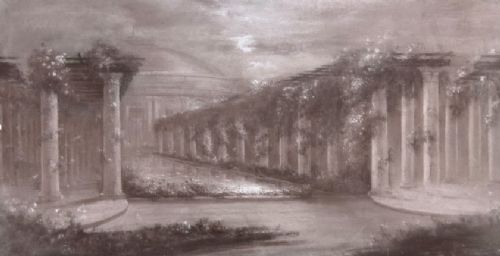
A monochrome sepia sketch brings together original drawings rendered in ink, wash, charcoal, and pencil on paper from the eighteenth century to the mid-twentieth century. Buyers searching for a monochrome sepia sketch will find framed artwork and fine art drawings, ranging from early landscape and architectural studies to portraiture.
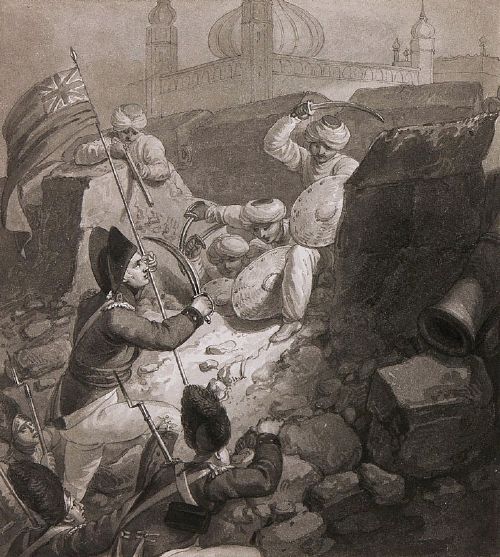
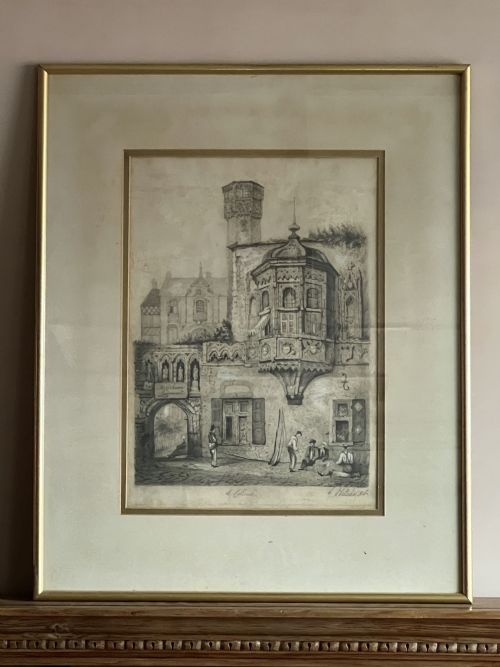
The selections span distinct periods including the Georgian era, nineteenth-century British and European styles, and twentieth-century modernism. Works such as battle scenes, architectural studies, and character portraits demonstrate the diverse subject matter handled by artists across these centuries.
Materials and technique
Artists relied primarily on paper supports, applying ink, graphite, charcoal, wash, and pencil to build tonal depth and linear precision. These works are frequently housed behind glass within wood frames, preserving the delicate mediums from atmospheric damage.
Techniques range from rapid pen and wash execution to careful architectural pencil studies and tonal charcoal applications. The interaction between ink washes and graphite creates the characteristic sepia and monochrome palette seen across the selections.
Listings feature works executed on paper using ink, charcoal, graphite, wash, and pencil across the eighteenth, nineteenth, and twentieth centuries.
Markers of distinction
Quality rests in the sureness of the hand and the clarity of the composition, distinguishing confident preparatory studies from weaker academic exercises. The preservation of the paper and the integrity of the ink or wash layers also define the standing of a piece.
Context adds distinction, particularly when a drawing connects to a known hand, a specific architectural site, or a documented historical event. The finesse of the tonal gradations within the monochrome palette dictates the visual impact of the artwork.
William Marshall Craig·Sir Francis Leggatt Chantrey·Dr Thomas Monro·Thomas Lound
The Monochrome Sepia Sketch Glossary
- Wash
- A diluted layer of ink or watercolour applied with a brush to create translucent tones and shadows. It forms the atmospheric depth in many early landscape and architectural drawings.
- Charcoal
- A dry drawing material made from burnt organic matter that produces deep blacks and soft smudged lines. Artists use it for expressive portraits and bold tonal sketches.
- Graphite
- A form of carbon used in pencils to produce fine grey lines and subtle shading. It provides the precise linear foundation for architectural and figure studies.
- Neoclassical
- An artistic style drawing inspiration from the classical art and culture of ancient Greece and Rome. It influences proportion, clarity, and subject matter in eighteenth-century works.
Monochrome Sepia Sketch: Frequently Asked Questions
How should I hang a paper sketch?
Keep drawings out of direct sunlight to prevent the ink and paper from fading over time. Framing behind glass with proper spacing protects the delicate medium from moisture and dust.
Ensure the hanging wall remains stable and free from excessive temperature fluctuations. Professional framing using acid-free mounts preserves the longevity of antique works on paper.
What defines a preparatory drawing?
A preparatory drawing serves as a preliminary study for a larger painting, print, or architectural project. These sketches often reveal the artist's immediate thought process and spontaneous compositional adjustments.
Unlike finished gallery pieces, they capture raw observations and rapid line work. Collectors value them for their direct insight into the creation of major works.
How do I identify eighteenth-century works?
Eighteenth-century drawings typically feature handmade laid paper with distinct watermarks visible when inspected closely. The ink and wash techniques of this period often reflect neoclassical or Georgian aesthetic sensibilities.
Subject matter frequently includes classical landscapes, historical narratives, and detailed portrait studies. Stylistic conventions of the period prioritize balanced composition and refined tonal control.
What is tonalism in drawing?
Tonalism focuses on atmospheric moods and shadow rather than crisp, descriptive outlines. Artists build up layers of wash, charcoal, or dark ink to evoke specific weather conditions or emotional responses.
This approach emphasises overall mood over minute topographical or anatomical accuracy. Works in this style often present simplified forms softened by enveloping shade.