

Monochrome Print Artwork
Monochrome print artwork brings together centuries of black and white imagery, offering collectors historical depth and graphic clarity.
Monochrome Print Artwork
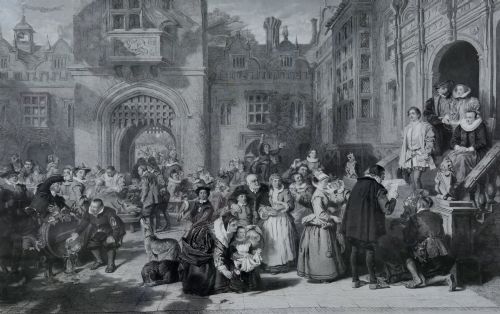
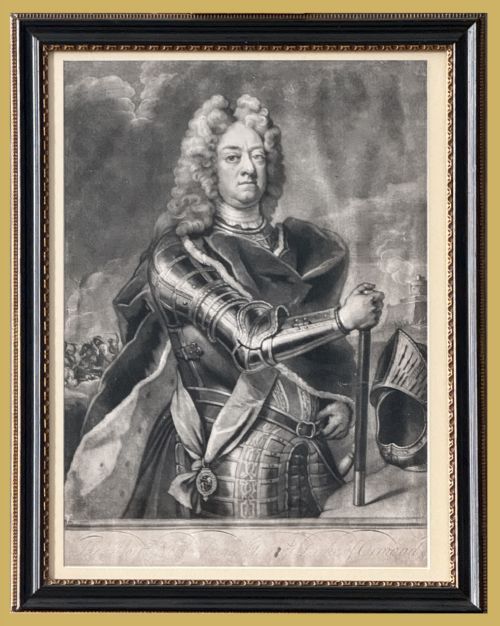
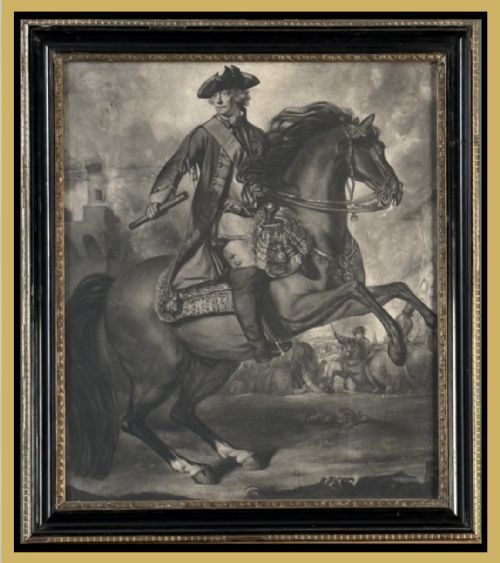
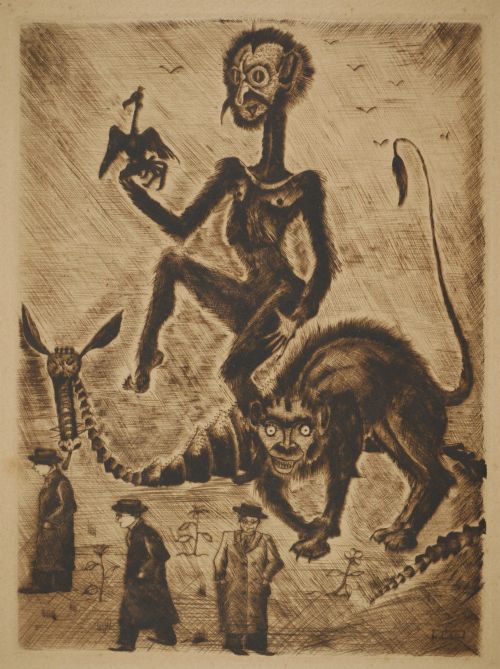
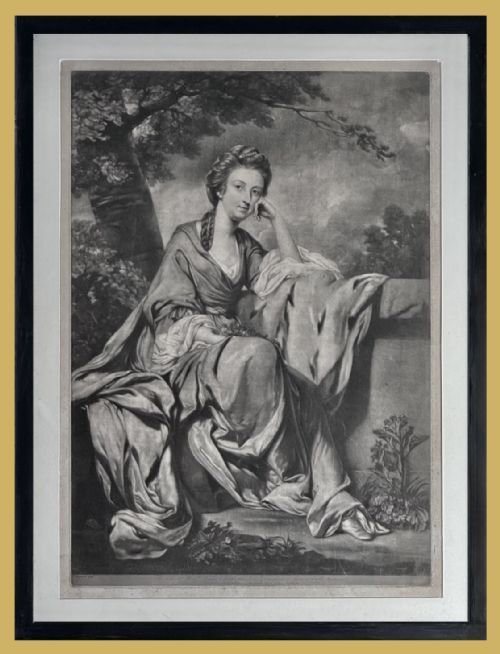
Monochrome print artwork encompasses printed images executed primarily in ink on paper, spanning periods from the seventeenth century to the mid twentieth century. Buyers seeking this phrase encounter a heavy representation of eighteenth century mezzotints and engravings depicting notable historical figures, alongside early twentieth century etchings.
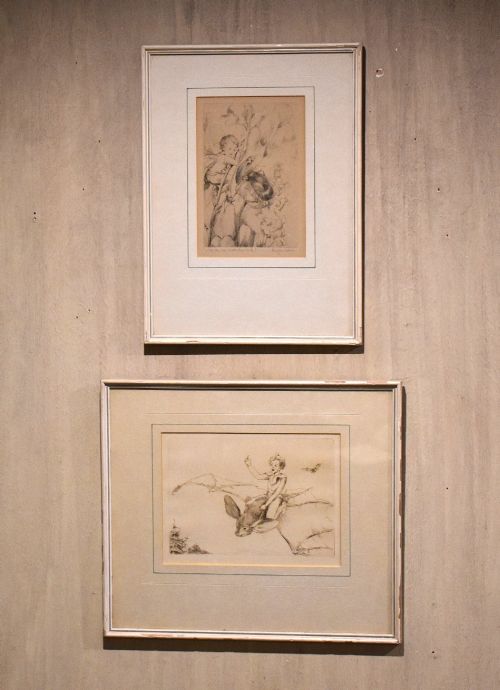
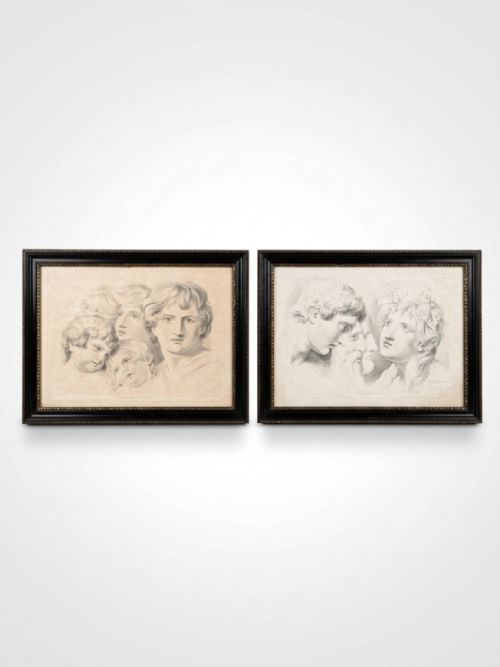
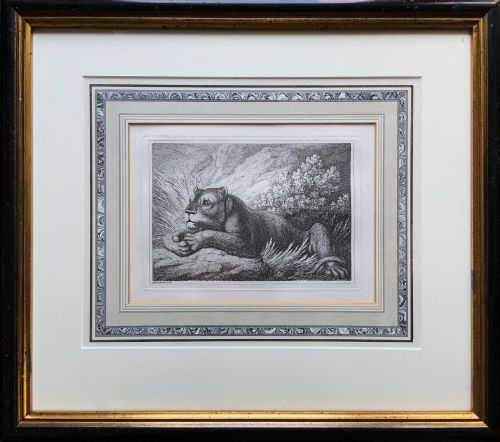
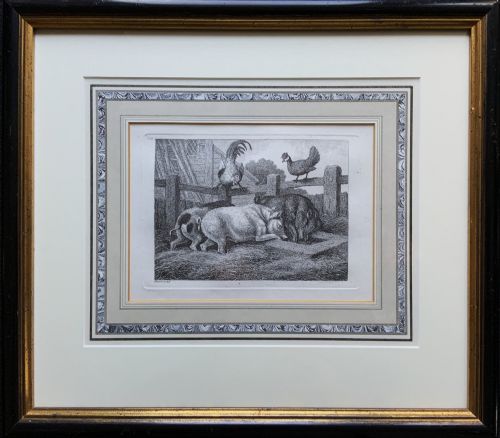
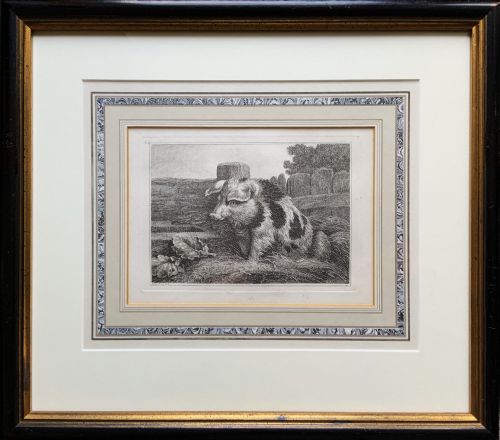
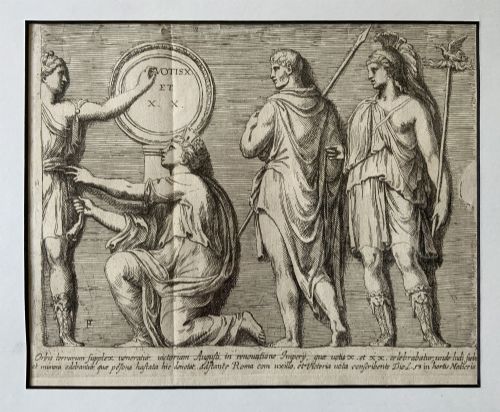
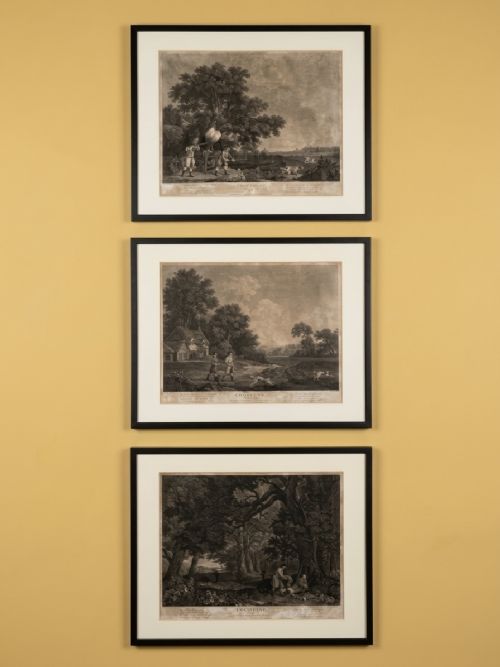
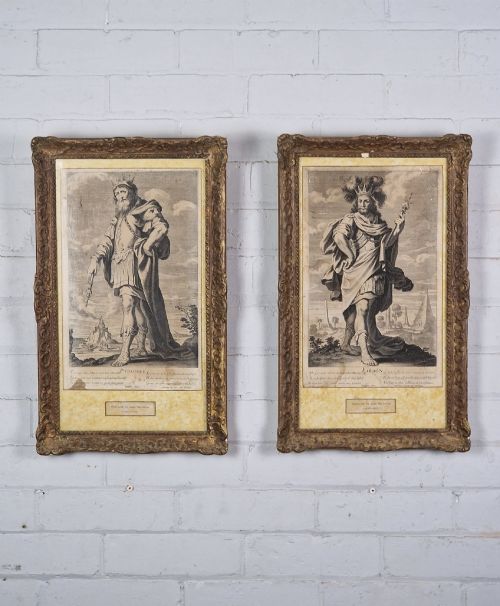
The objects take the form of framed wall art, ranging from classical antiquity scenes and anatomical plates to intimate animal studies and portraits after notable painters. Many examples arrive preserved within period frames of oak or gilt wood behind glass, maintaining their original presentation.
Originating largely from British and continental European workshops, these works bridge the gap between fine art and historical documentation. The selection on this page demonstrates a strong bias toward printed portraiture and detailed illustrative plates.
Materials and technique
The creation of these works relies on skilled printmaking techniques applied to paper support, including mezzotint, etching, drypoint, and line engraving. Artisans utilised metal plates, working the surface with burins, rockers, or acid to hold ink.
Printers transferred the inked designs onto paper sheets using presses, sometimes employing supplementary ink wash or gouache by hand. Finished prints were subsequently housed behind glass within wooden frames, occasionally incorporating gold leaf or gilt accents.
Even seventeenth century engravers occasionally needed to illustrate an anatomical skeleton or weeping angels.
Factors of quality
Quality in monochrome print artwork rests on the crispness of the impression and the skill of the printmaker who translated the original painter's composition onto the plate. Early impressions pulled from a freshly worked plate display sharp tonal gradations and fine lines, whereas worn plates yield muddied details.
The survival of the paper sheet and the retention of deep, rich ink tones without excessive fading dictate the desirability of a piece. Original framing, particularly period examples like oak or Hogarth frames, adds significantly to the integrity of the object.
John Simon·Edward Fisher·Kurt Lorein Victor Peiser·John Smith·James Watson·François Perrier·William Lionel Wyllie·Herbert Dicksee·Jacobus Houbraken
The Monochrome Print Artwork Glossary
- Mezzotint
- A printmaking process where the copper plate is roughened uniformly to produce dark tones, and scraped to create light areas. This technique allows for subtle tonal variations particularly suited to portraiture.
- Etching
- A method where lines are bitten into a metal plate with acid before being inked and printed onto paper. It produces fine, fluid lines characteristic of artist-led compositions.
- Drypoint
- An intaglio printmaking technique where an artist scratches directly into the metal plate with a sharp needle. This creates a distinctive velvety burr that holds ink during printing.
- Engraving
- A process of cutting designs directly into a hard plate using a steel tool called a burin. The resulting lines are precise and clean.
- Gilt wood
- Wood carved and treated with a thin layer of gold leaf or metallic paint. It frequently appears on traditional frames enclosing historical prints.
Monochrome Print Artwork: Frequently Asked Questions
What is a mezzotint?
A mezzotint is an intaglio printmaking method that builds rich tones and shadows by roughening a metal plate.
Artists scrape the plate to achieve lighter areas, creating soft gradients ideal for portraits.
How should I hang these prints?
Keep monochrome print artwork away from direct sunlight to protect the paper and ink from fading.
Use stable interior walls where humidity and temperature fluctuations remain minimal.
Are these prints original?
Many listings feature period impressions pulled from plates during the lifetime of the artist or shortly after.
Check the specific date and technique in each title to confirm the age of the impression.
What frames do they use?
These works frequently appear in period wooden enclosures such as oak or gilt wood frames.
Glass protects the paper surface while allowing the detailed ink work to remain visible.